


The ECB’s New Gambling Code: Cricket Draws a Line
When the ECB published its new Code of Conduct for gambling sponsorships ahead of the 2025 season, the reaction from the betting industry was a mixture of resignation and relief. Resignation because the code tightened the rules on how gambling brands interact with cricket. Relief because it didn’t ban gambling sponsorship entirely — unlike the path football eventually took. For bettors, the code doesn’t change what you can bet on, but it reshapes the commercial landscape around the sport you’re betting on.
The ECB introduced its code against a backdrop of growing regulatory scrutiny. The ICC Anti-Corruption Unit has operated since 2000, working around the clock to receive reports of corruption, with penalties up to lifetime bans for violations. Cricket’s governing bodies are acutely aware that the relationship between gambling and sport requires careful management, and the ECB’s code represents England’s domestic contribution to that effort.
All county clubs are now required to submit an annual compliance report under the code. This isn’t advisory guidance — it’s a structural obligation that changes how cricket clubs manage their commercial partnerships with gambling operators. The code applies at every level of the domestic professional game, from international venues hosting England matches down to county grounds hosting Championship fixtures.
Key Provisions of the ECB Code of Conduct
The ECB’s official position frames the code as a strong commitment to balancing commercial partnerships with gambling companies while protecting the integrity of cricket. The code reinforces responsible sponsorship practices and seeks to safeguard the sport and its community from potential gambling-related harm.
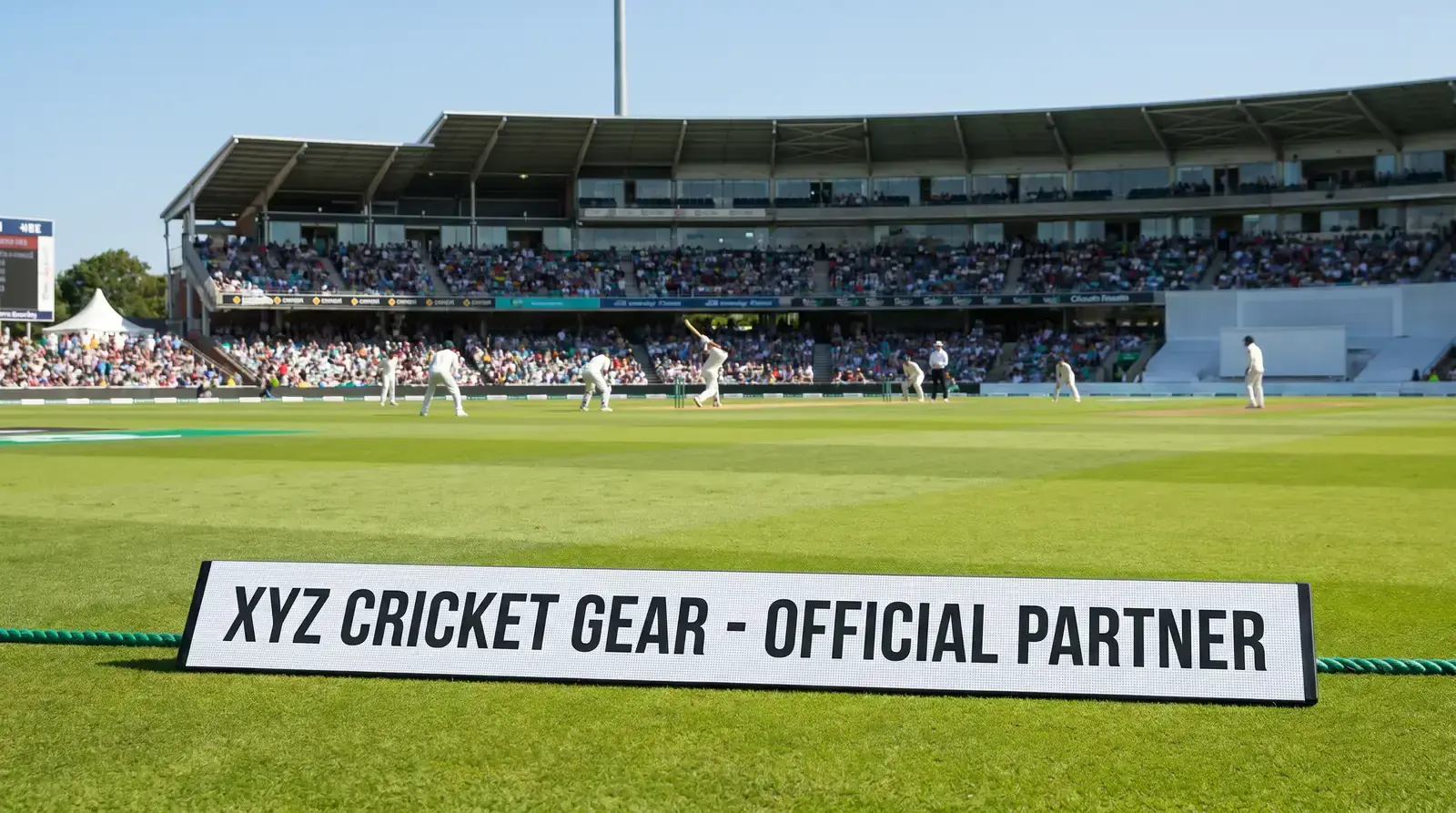
Specific provisions address the visibility of gambling brands at cricket grounds, the content of advertising during broadcasts, and the rules around player involvement in gambling promotion. Players cannot endorse gambling products in their personal capacity, and club-level partnerships must comply with both ECB guidelines and UKGC advertising standards.
The ECB also stated that these principles reflect a shared recognition that the relationship between gambling and sport needs to be conducted responsibly to protect the sporting community, including its participants and supporters, from gambling-related harm. The language is measured, but the regulatory direction is clear: cricket wants gambling revenue without the reputational risk that uncontrolled sponsorship carries.

Youth protection measures feature prominently. Gambling branding cannot appear on junior team kits, youth development materials, or in areas of grounds designated for families and children. This mirrors the direction taken by other sports bodies and aligns with the Gambling Commission’s broader push to reduce children’s exposure to gambling advertising.
How Cricket Compares to Football’s Sponsorship Ban
The Premier League announced a ban on front-of-shirt gambling sponsorship starting from the 2026/27 season. The UKGC has also introduced restrictions on cross-sell promotions, preventing operators from using one product to promote another to customers who haven’t opted in. Cricket’s approach is less absolute than football’s but arguably more nuanced.
Football’s relationship with gambling sponsorship escalated to a point where half the Premier League clubs carried gambling logos on their shirts. Public pressure, regulatory scrutiny, and reputational concern drove the ban. Cricket has fewer gambling sponsorship deals in total, lower commercial values per deal, and a smaller public profile for those partnerships. The ECB’s code tries to maintain the commercial benefit while preventing cricket from reaching the saturation point that forced football’s hand.

The strategic difference is important for bettors to understand. Football’s ban is removing gambling branding from the most visible commercial real estate in sport. Cricket’s code is managing gambling branding rather than eliminating it. That distinction means cricket remains a sport where gambling companies can operate as partners — albeit under stricter terms — which supports the continued availability and promotion of cricket betting markets by UKGC-licensed operators.
Industry Reaction and Compliance Requirements
The betting industry’s response to the ECB code has been largely cooperative, driven by pragmatism rather than enthusiasm. Operators recognise that voluntary compliance with a measured code is preferable to regulatory intervention that might impose harsher restrictions. The gambling industry’s experience with football — where a voluntary pledge was eventually overtaken by a binding ban — has sharpened the sector’s approach to sports-body codes of conduct.
Compliance requirements for clubs include designating a responsible person for gambling-related partnerships, conducting due diligence on gambling sponsors, and reporting annually to the ECB. Clubs that fail to comply risk sanctions under ECB governance rules, though the specific penalties have not been tested yet given the code’s recent introduction.

County clubs face the sharpest adjustment. Many rely on gambling sponsorship revenue to support professional cricket operations, and the compliance burden falls on organisations with limited administrative resources. Larger clubs with dedicated commercial teams have absorbed the requirements smoothly. Smaller counties have found the reporting obligations more demanding, though the ECB has provided template frameworks to reduce the administrative load.
For gambling operators, the code affects marketing strategy more than product availability. The markets you can bet on, the odds you’re offered, and the platforms you use are not altered by the ECB code. What changes is the visibility of gambling branding at cricket events and the way promotional offers are communicated in connection with cricket. An operator can still offer a cricket free bet, but the promotional pathway through which it reaches you is now subject to additional constraints at the sport-governing-body level, layered on top of existing UKGC advertising rules.
The long-term trajectory is toward tighter regulation of gambling’s relationship with sport across the board. Cricket’s code is a current snapshot of that trajectory, sitting between football’s outright ban and the relatively unconstrained environment that existed five years ago. Bettors won’t see immediate changes to their experience, but understanding the commercial context — why certain promotions appear and others don’t, why cricket coverage integrates betting differently from football — helps you navigate the landscape with a clearer perspective.