


Man of the Match: the Most Unpredictable Cricket Market
I backed a bowler for man of the match once — a seamer who took four wickets in a T20 but scored zero with the bat. The award went to an all-rounder who took two wickets and scored 35, a performance that was competent but, by any statistical measure, less impactful. That’s the core tension in MOTM betting: the award is subjective, and subjectivity doesn’t follow the spreadsheet.
Man of the match betting asks you to predict which player will receive the MOTM award at the end of a match. The decision is made by a panel, a commentator, or a match referee, depending on the competition. There is no standardised scoring system — it’s a judgement call, and judgement calls create inconsistencies that both frustrate and reward bettors who study the patterns behind them.
MOTM is a high-margin market. The overround on a MOTM market can reach 20-30% because the field is large (22 or more players) and the outcome is harder to model than match result or player performance. Despite the margin, the market attracts steady interest because MOTM awards are engaging to follow and the potential payouts on a 10/1 or 15/1 selection are appealing.
How Man of the Match Is Decided and Settled
Settlement is straightforward: the player officially named man of the match is the winning selection. If no award is made — which can happen in abandoned matches — bets are typically voided. If the match ends without an official MOTM announcement but a result is declared, bookmakers may settle based on the broadcasted or published MOTM selection.
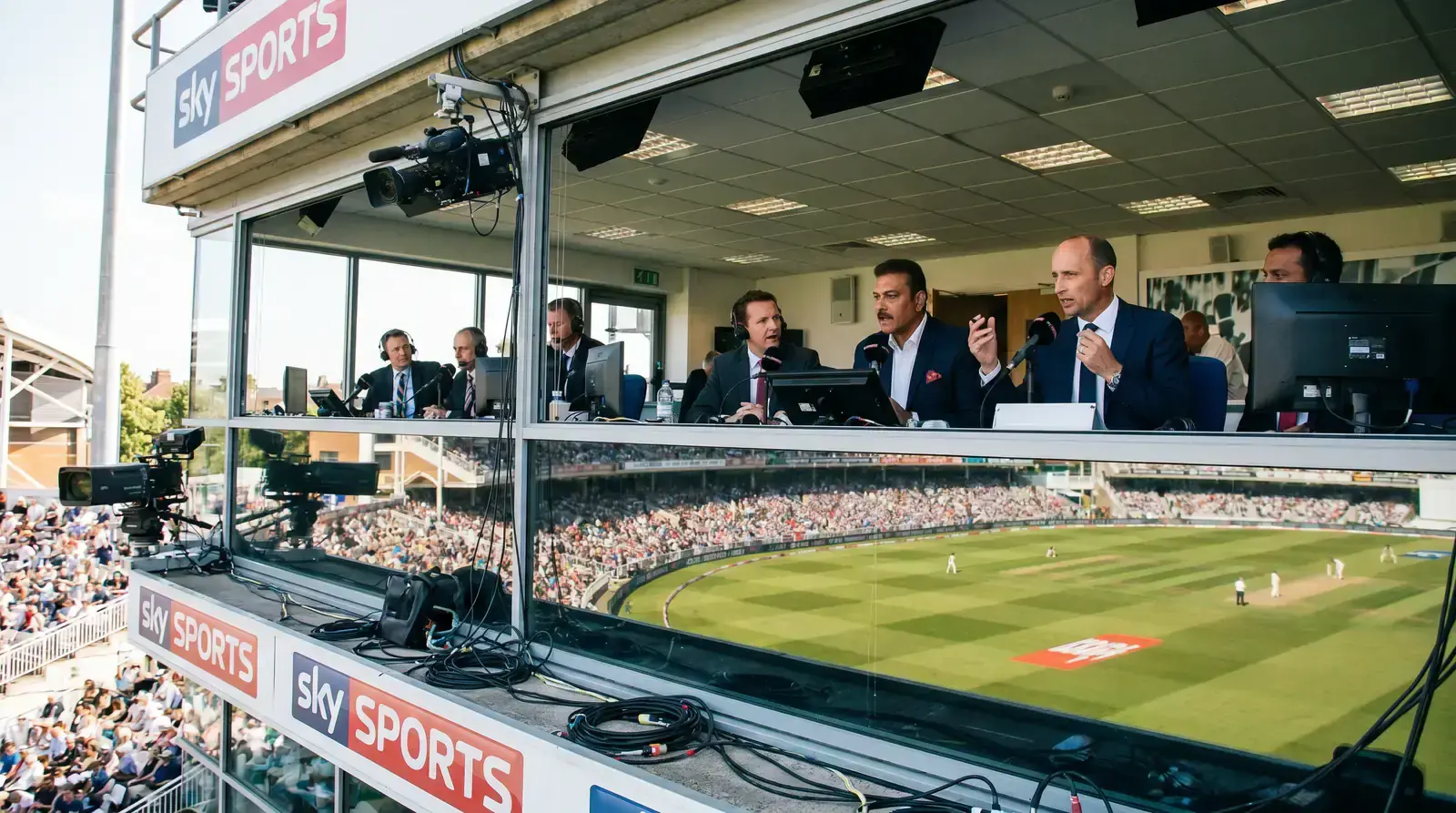
The decision-making process varies by competition. In ICC events, the MOTM is chosen by a panel that evaluates overall impact on the match. In domestic competitions, it’s often a single commentator or match referee. In some T20 leagues, the award is influenced by broadcasting considerations — a highlight-reel performance gets weighted more heavily than a quietly effective one. Understanding who makes the decision and what criteria they tend to apply is part of the analysis.
Dead-heat rules do not typically apply to MOTM betting because only one award is given. If two players are jointly named (extremely rare), dead-heat settlement would apply. In practice, MOTM is almost always a single winner, which means your bet either wins or loses without the complication of shared awards.
Who Typically Wins MOTM: Patterns Worth Knowing
The IPL 2025 final drew roughly 300 million viewers, and MOTM awards in high-profile matches attract global attention. Across professional cricket, certain player profiles win MOTM disproportionately. All-rounders who contribute with both bat and ball are heavily overrepresented. A player who scores 50 and takes two wickets will often beat a player who scores 100 or takes five wickets, because the dual contribution is perceived as more impactful.
Players from the winning team receive MOTM awards far more often than players from the losing side. Losing-side MOTM awards exist but are rare — typically reserved for extraordinary individual performances in defeat, such as a century in a chase that falls just short. If you’re betting on MOTM, the first filter is identifying which team you expect to win, then working within that squad.
Within the winning team, the player whose performance is most visible tends to receive the award. A batsman who hits the winning runs often gets the nod over a bowler whose early spell set up the victory but happened hours or innings earlier. This recency bias is a genuine feature of MOTM decision-making, and it’s one that bettors can exploit by weighting their selections toward players likely to feature in the match’s climactic moments.
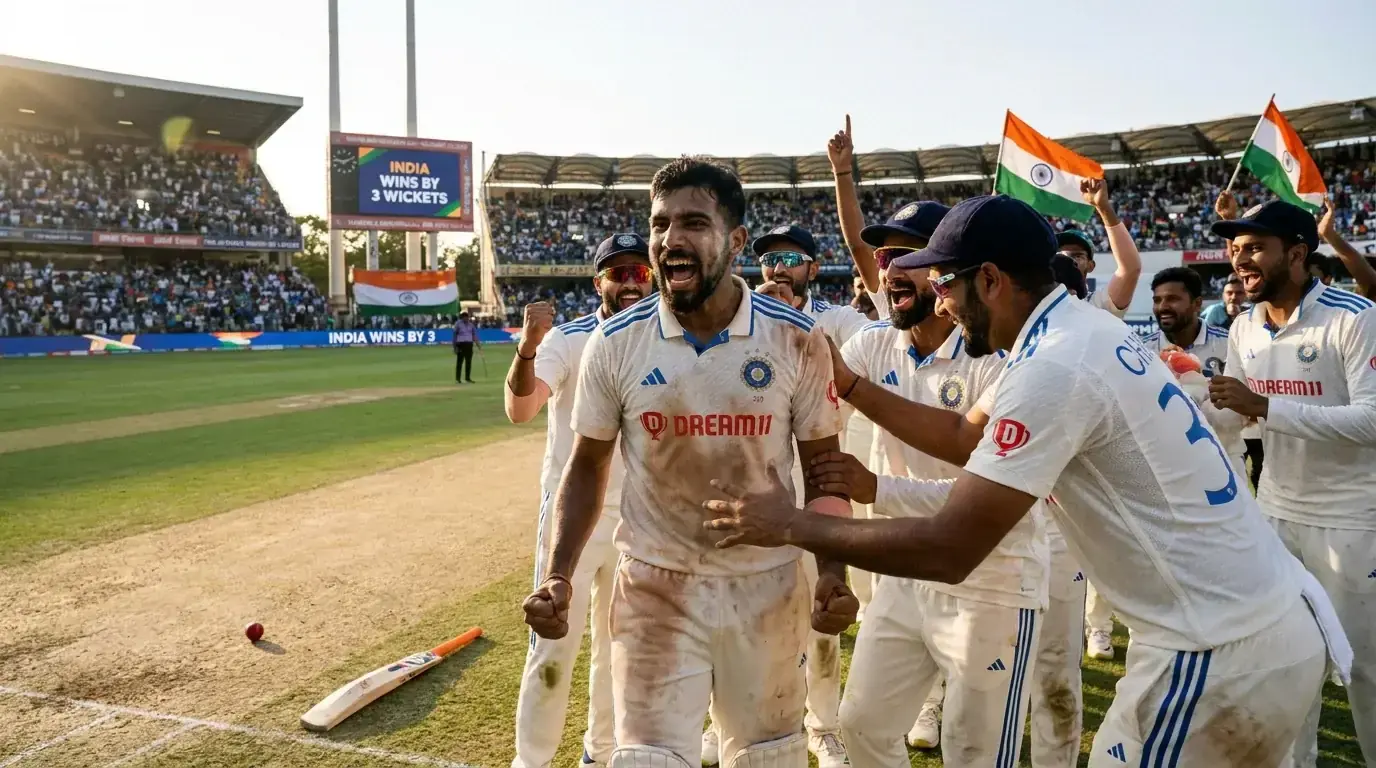
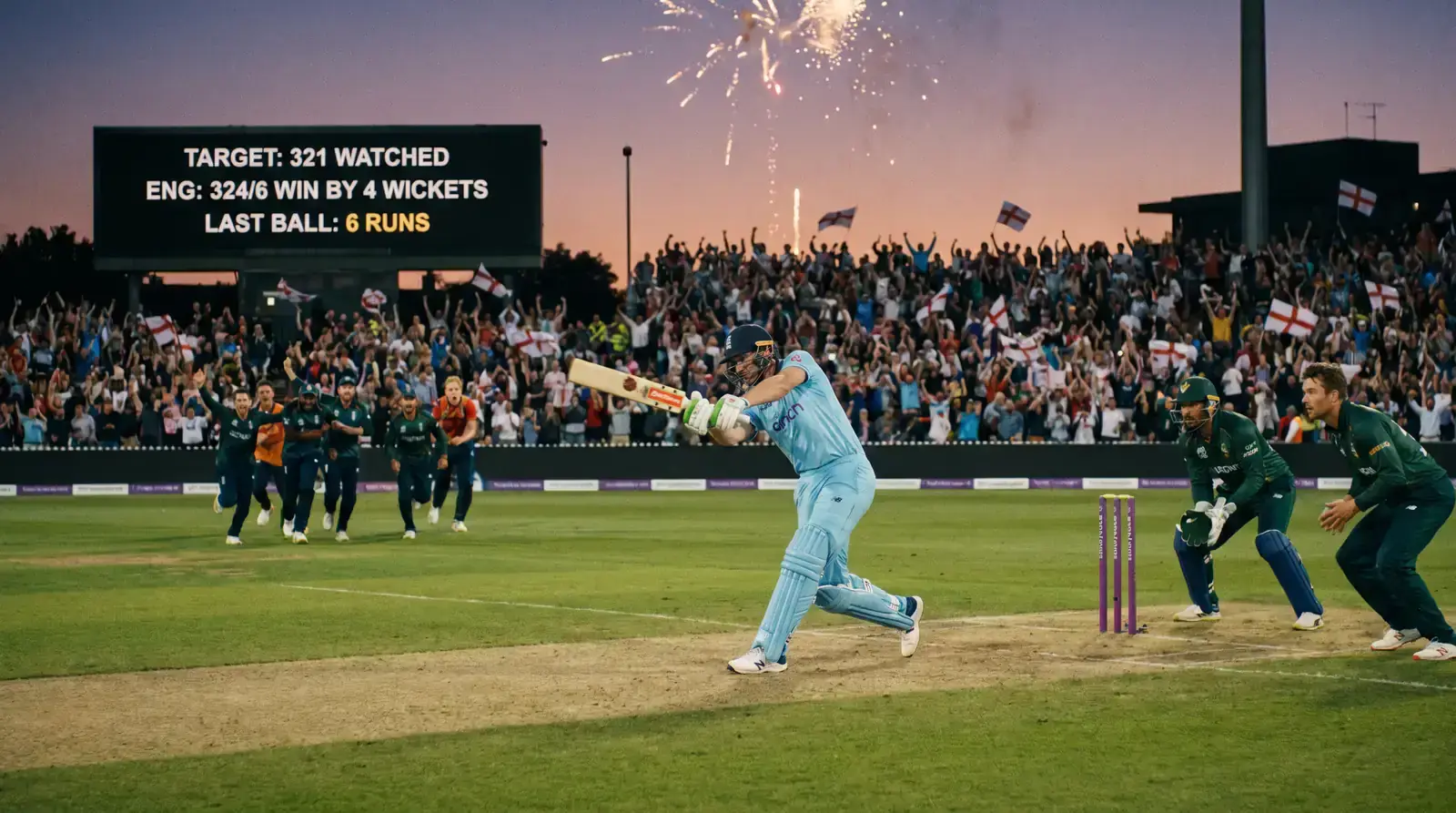
Batting performances carry more weight in MOTM decisions than bowling performances, all else being equal. A century almost guarantees the award unless a bowler produces a match-changing spell. In T20 cricket, match-winning innings in the second innings — successful chases — are particularly valued because the batsman delivered under pressure at the decisive moment. I weight second-innings batting contributions more heavily in my MOTM analysis for exactly this reason.
MOTM Trends Across Test, ODI and T20
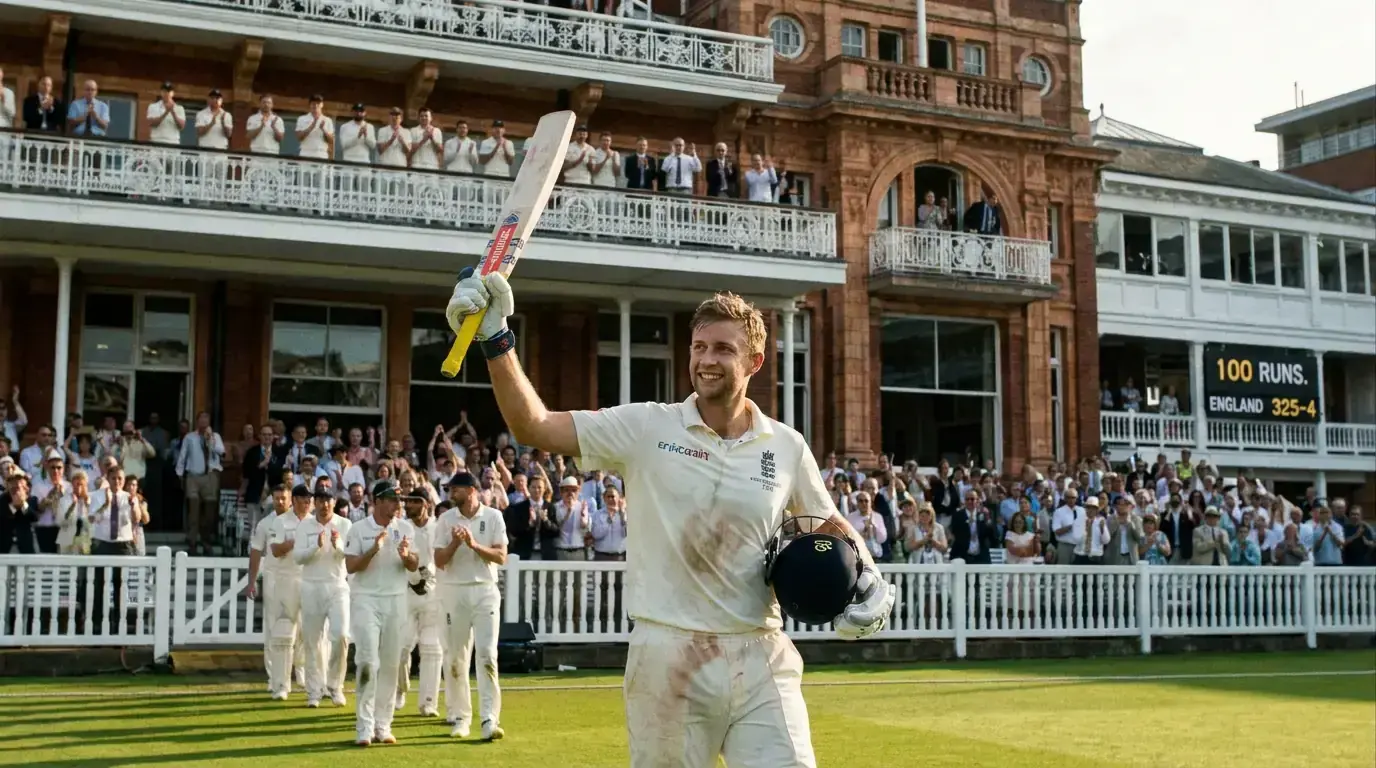
In Test cricket, MOTM awards tend to go to players who produce sustained performances across multiple innings or sessions. A batsman who scores a hundred in both innings, or a bowler who takes seven wickets across the match, is the typical profile. The extended format means consistency is valued over single-innings brilliance, which narrows the likely MOTM candidates to top-order batsmen and strike bowlers.
ODI MOTM awards follow the all-rounder bias most strongly. The 50-over format provides enough time for a player to bat a full innings and bowl a substantial spell, creating more opportunities for dual contributions. In ODIs, I focus my MOTM selections on all-rounders who bat in the top six and bowl at least seven overs, because that playing role maximises exposure to the award criteria.
T20 MOTM is the most volatile category because the format produces extreme individual performances. A batsman scoring 80 off 40 balls or a bowler taking 4-15 can dominate a match so thoroughly that the MOTM decision is obvious. When these standout performances occur, the odds compress quickly in-play, reducing the value of live MOTM betting. The best MOTM value in T20 comes from pre-match selections where you identify a player whose role and matchup give them an elevated probability of a standout performance.
The UK cricket betting market is worth approximately £52 million a year, and while MOTM is a niche within that figure, its entertainment value and relatively high odds make it a market that generates engagement beyond its turnover size. The key is treating it for what it is: a subjective award with identifiable patterns, not a statistically predictable outcome. Respect the uncertainty, bet within your means, and enjoy the storytelling element that no other market captures quite as well.