
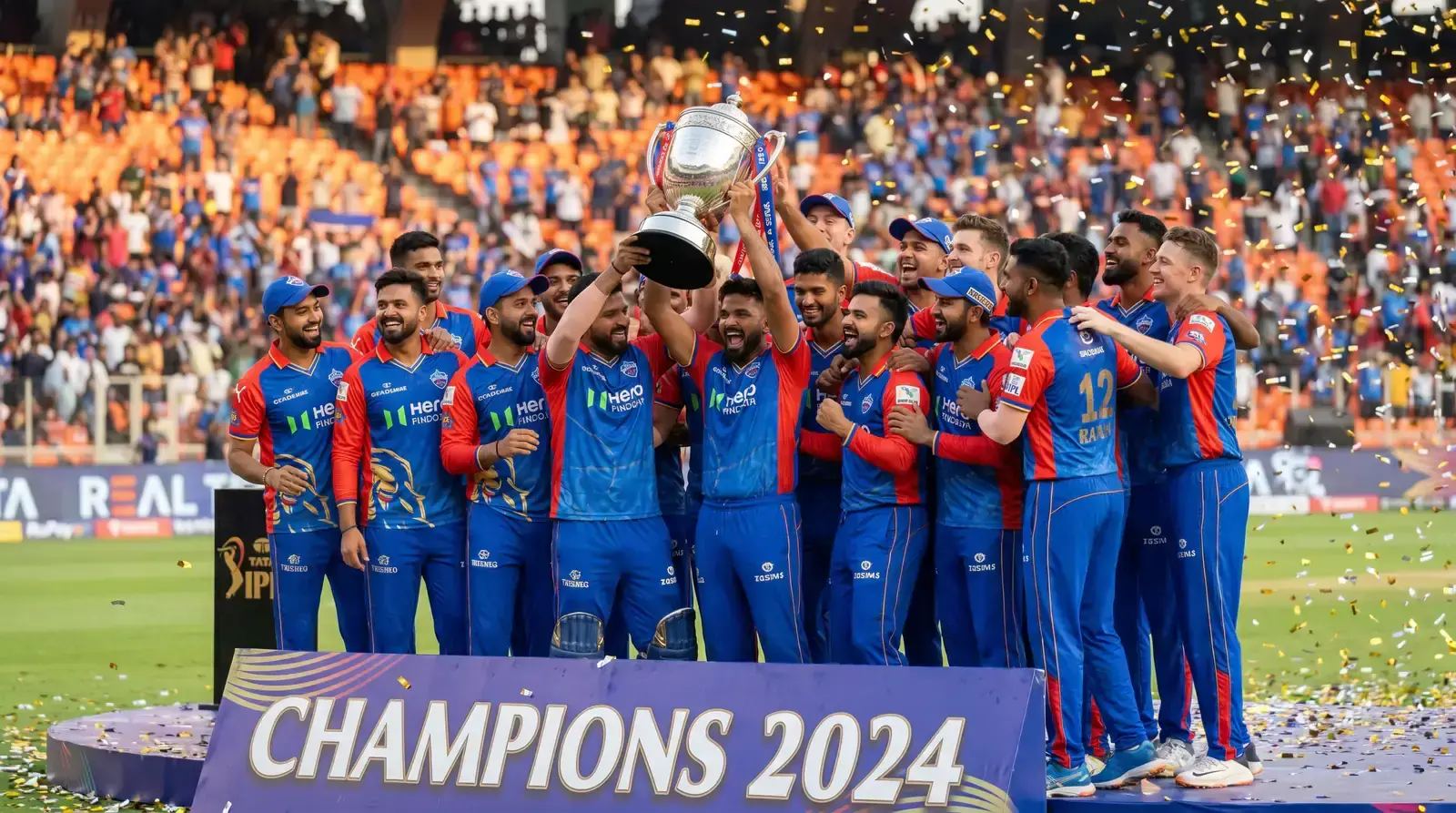

Outright Betting: Backing a Winner Before a Ball Is Bowled
I placed my first cricket outright bet six months before a tournament started, on a team that barely featured in public conversation. By the time the group stage was halfway through, their odds had halved. I didn’t win — they lost in the semi-final — but the value at entry was undeniable, and the experience cemented outright betting as a permanent part of my approach. There’s something uniquely satisfying about identifying value before the market catches up.
Outright betting, also known as futures or ante-post betting, means backing a team to win an entire tournament, series, or competition before it begins — or at any point during the event. Unlike match betting, where you’re predicting a single result, outrights ask you to forecast a team’s performance across multiple matches over days, weeks, or months. The longer timeframe introduces more variables, but it also creates larger pricing gaps between what the market offers and what careful analysis suggests.
For UK bettors, outright cricket markets cover everything from the ICC World Cup and the IPL to The Ashes, The Hundred, and the County Championship. Each competition has its own outright dynamics, and understanding those dynamics is the foundation of profitable futures betting.
How Cricket Outright and Futures Markets Work
Outright markets open at a bookmaker’s discretion, sometimes months before a tournament begins. Early prices reflect long-range assessments — historical performance, squad strength on paper, and perceived trajectory. These early prices are the least informed, which is precisely why they often offer the best value. As the event approaches and more information becomes available — squad selections, warm-up form, injury updates — the odds sharpen and the value window narrows.

Ante-post rules typically mean no refunds if your selection withdraws or is eliminated before the competition starts. If you back a team in March for a tournament in June and that team withdraws due to scheduling conflicts, your stake is lost. Some bookmakers offer “non-runner, no bet” terms on certain outright markets, which returns your stake if the selection doesn’t participate. I always check which terms apply before placing an early outright bet.
Once the tournament is underway, outright odds move continuously based on results. A team that wins its first three group matches will see its outright price contract. A team that loses early will drift. In-tournament outright betting lets you buy into a team mid-event at adjusted prices, or sell a position by backing against your original selection to lock in profit — a practice that blurs the line between betting and trading.
Major Tournaments with Outright Markets
The IPL attracted over one billion viewers across its 2025 season, making it the most-watched annual cricket event globally. Its outright market is the deepest and most liquid of any cricket futures market. Ten teams, a two-month league phase, and a knockout playoff stage create a structure where form, squad depth, and tactical adaptability all influence the outcome. The global sports betting market itself is projected to grow from USD 112.26 billion in 2025 to USD 325.71 billion by 2035, and cricket futures are riding that growth wave.
The ICC Cricket World Cup — both ODI and T20 formats — generates enormous outright interest. World Cup outright markets attract casual bettors who follow the tournament but don’t bet on cricket regularly, which can create pricing inefficiencies. Casual money tends to flow toward high-profile nations regardless of form or conditions, while informed bettors can find value on less fashionable sides with favourable group-stage draws.
The Ashes outright is a three-way market — England, Australia, or drawn series. The draw is a legitimate outcome that casual bettors routinely undervalue. The County Championship outright runs across the entire domestic season, offering a long-term position for bettors who follow English county cricket closely.
Ante-Post Timing: When Early Money Finds Value
The value in outright betting is front-loaded. The earlier you bet, the less information the market has, and the wider the gap between your assessment and the price on offer. The trade-off is risk: early bets carry more uncertainty because injuries, squad changes, and form fluctuations haven’t materialised yet.
I’ve developed a timing framework based on the type of competition. For the IPL, I place outright bets immediately after the auction, when squad compositions are known but form data doesn’t exist yet. For the World Cup, I bet three to four months out, after squads are provisionally named but before warm-up matches narrow the odds. For The Hundred, I wait until the draft results are published and then act within 48 hours, before the market digests the squad implications.
The worst time to place an outright bet is during the tournament itself, after a few rounds of results have been played. By then, the odds reflect recent performance, which means you’re buying at peak narrative rather than peak value. The exception is when a strong team stumbles early — a loss in the group stage can push their odds out to a price that overreacts to a single result, creating a re-entry opportunity.

Each-Way Outright Betting in Cricket
The UK cricket betting market generates around £52 million a year, and each-way outright bets represent a structured way to reduce the variance inherent in tournament futures. An each-way bet splits your stake into two parts: one on your team to win, and one on them to finish in the top two, three, or four, depending on the terms offered.
The each-way terms vary by bookmaker and by tournament. For a World Cup with ten or more teams, standard terms might pay each-way on the top three finishers at one-quarter or one-fifth of the win odds. For an eight-team competition like The Hundred, each-way terms are less generous — typically top two at one-third of the odds.

Each-way outrights work best on selections that you believe will perform strongly but have a realistic chance of falling short of the title. A team priced at 10/1 to win a World Cup with each-way terms of top three at 1/4 odds gives you a 2.5/1 return for a semi-final finish — a reasonable proposition if you believe they’ll reach the last four. I use each-way outrights as my primary outright structure, reserving win-only bets for selections where I have the highest conviction.