
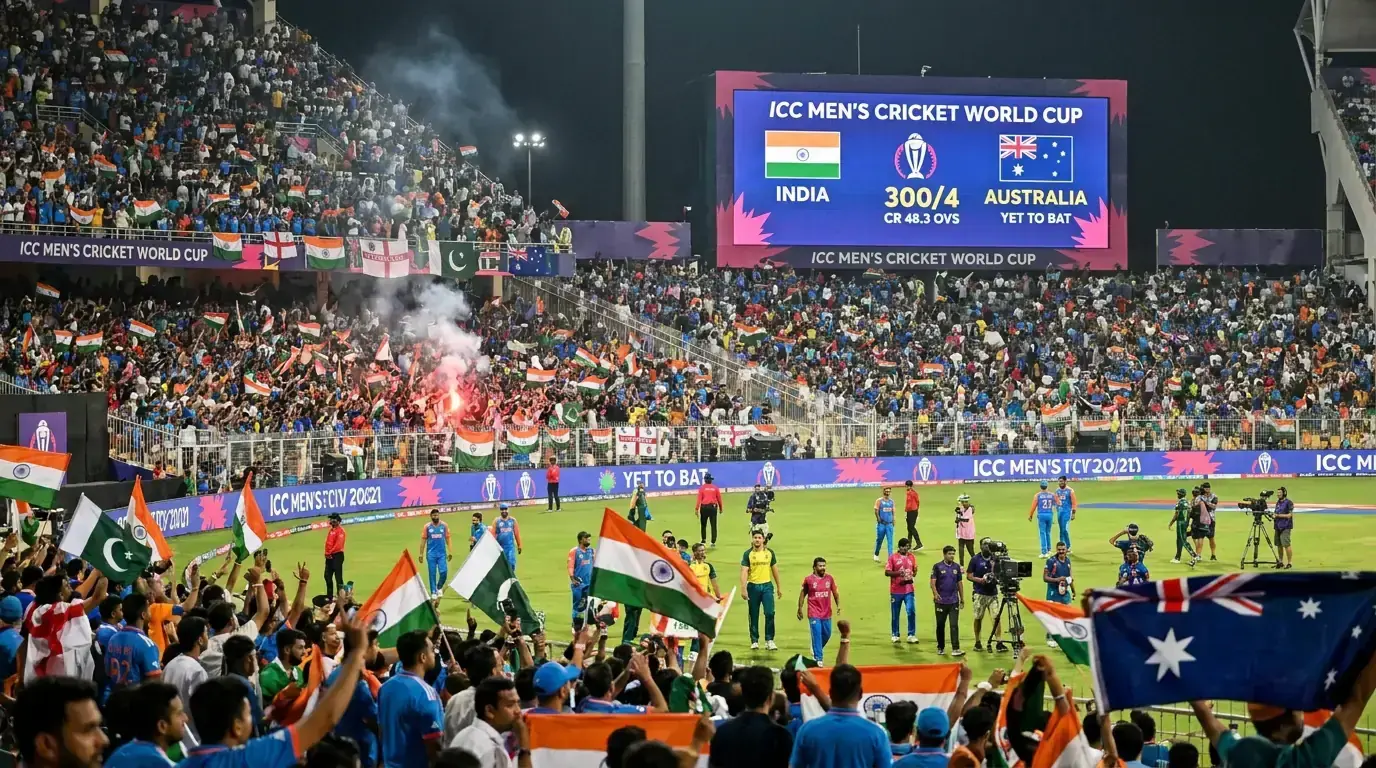

Cricket’s Global Showpiece Through a UK Bettor’s Lens
The 2019 World Cup final at Lord’s remains the most intense betting experience of my life. England needed 15 off the final over, the odds swinging wildly with every ball. The super over that followed pushed match winner odds into territory I’d never seen — both teams trading between 1.50 and 3.00 within minutes. Regardless of your national allegiance, a World Cup produces betting moments that no other cricket event can match.
The global cricket betting market was valued at USD 76.5 billion in 2023, and World Cup years consistently produce the highest spikes in cricket wagering volume. The broader global sports betting market is projected to grow from USD 112.26 billion in 2025 to USD 325.71 billion by 2035, with major ICC events acting as entry points for new cricket bettors across the UK and beyond.
For UK bettors, a World Cup is both an opportunity and a trap. The depth of markets, the intensity of coverage, and the emotional investment create conditions where disciplined analysis is most valuable and hardest to maintain. Understanding how World Cup betting differs from regular international cricket is the first step toward navigating it profitably.
ODI World Cup vs T20 World Cup: Different Tournaments, Different Markets
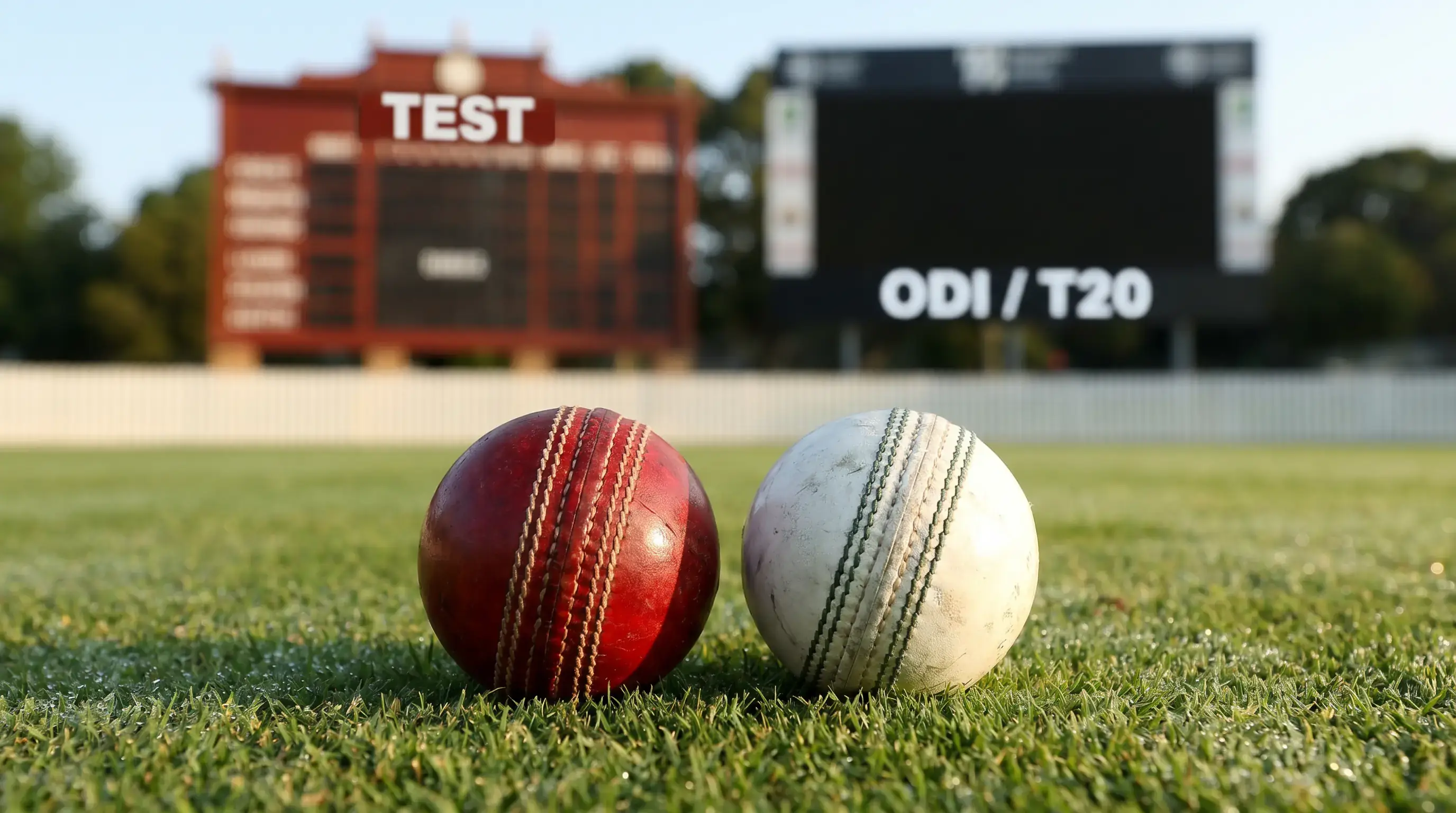
The ICC runs two World Cup formats: the 50-over ODI World Cup and the T20 World Cup. They alternate on an approximate two-year cycle, and each creates a different betting environment. The ODI World Cup spans five to six weeks, with each team playing multiple group matches before a knockout phase. The T20 World Cup is compressed into two to three weeks, with faster matches and more volatile outcomes.
From a betting perspective, the ODI World Cup rewards pre-tournament research more heavily. The longer group stage allows form to stabilise, and teams that start slowly can recover. Outright odds adjust gradually, creating windows for mid-tournament position taking. The T20 World Cup is more binary — a single poor batting performance in a group match can eliminate a team, and outright odds move sharply after every result.
I approach the two formats differently in my betting. For the ODI World Cup, I take ante-post outright positions and supplement with match-by-match analysis. For the T20 World Cup, I focus on individual match betting and treat outrights as high-variance positions rather than core bets. The structural differences between the formats demand different strategies, not a one-size-fits-all approach.
Outright and Top-Finisher Markets
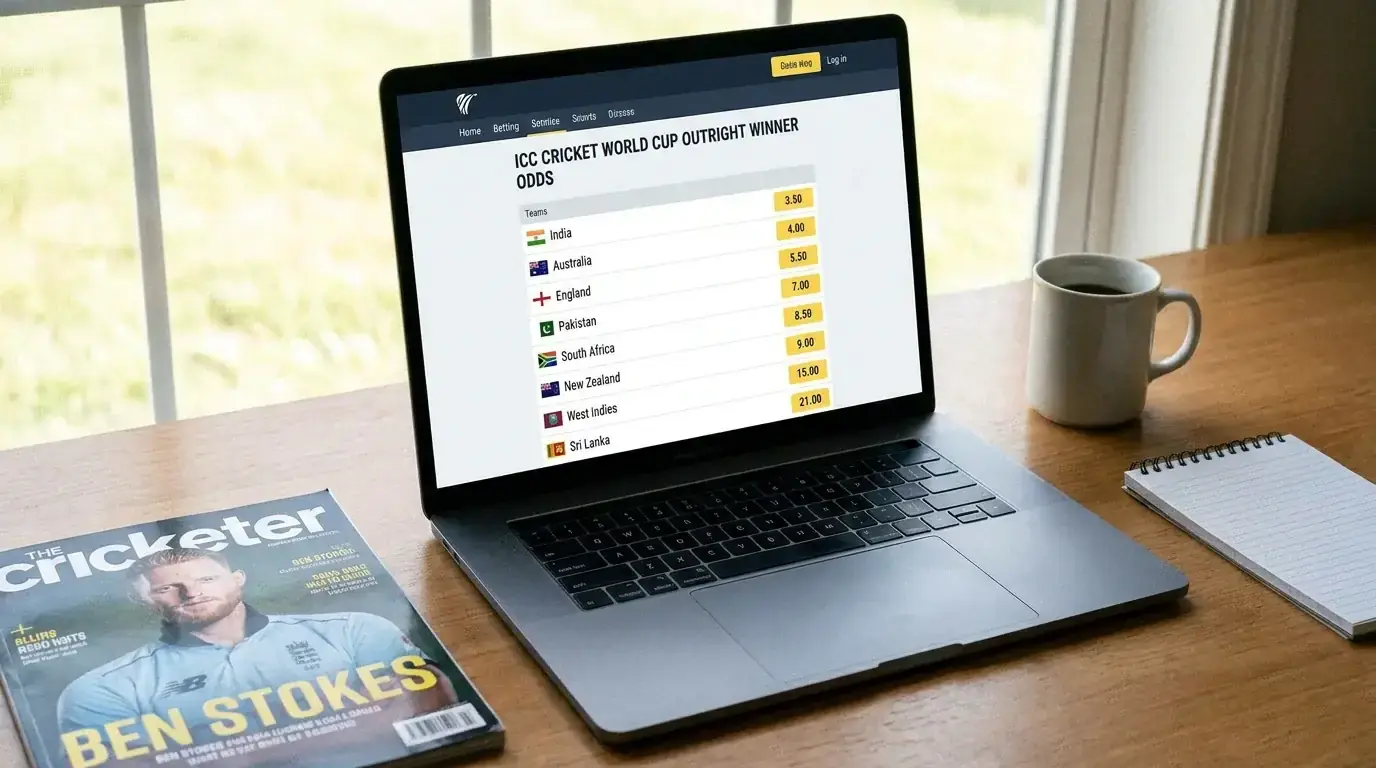
Outright winner markets for a Cricket World Cup open months before the tournament. Early prices reflect long-range form, historical performance in ICC events, and perceived squad strength. The host nation advantage is real and measurable — home teams in World Cups have a notably better win rate than away teams, which should influence your outright assessment, particularly for the ODI format where conditions familiarity compounds across a longer tournament.
Top-finisher markets — backing a team to reach the semi-finals or finish in the top four — offer reduced variance compared with outright winner bets. If your analysis points to a team that will perform well but faces one or two sides it cannot beat, a top-finisher position captures value without requiring the team to navigate the knockout rounds successfully.
Each-way outright bets are particularly useful for World Cup wagering. Standard terms typically pay at one-quarter or one-fifth of the win odds for teams finishing in the top two or three. A selection at 10/1 each-way returns a meaningful payout for a runner-up finish, which broadens the range of outcomes that produce a positive return from your outright position.
Group Stage Betting Strategies
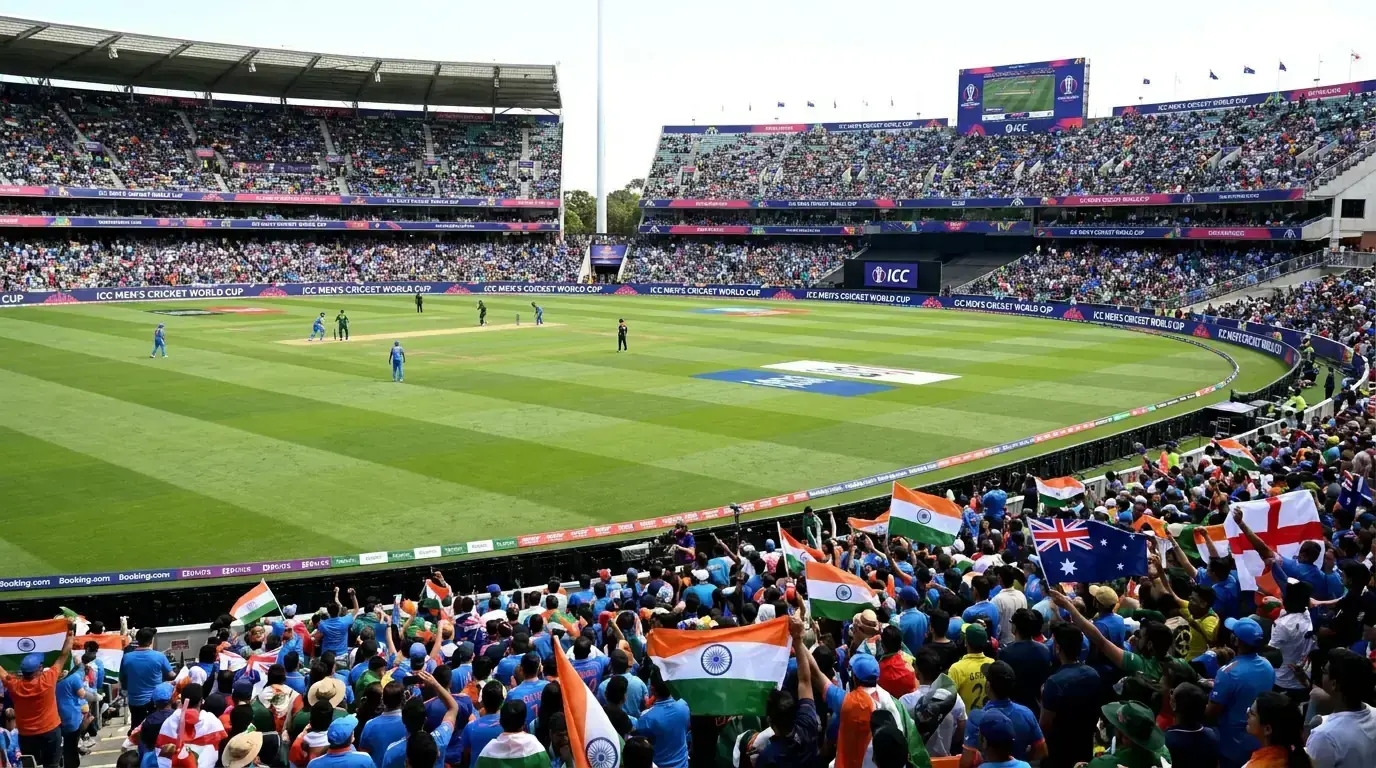
The group stage is where most of my World Cup betting activity concentrates. Each group match is a standalone betting event with full market coverage: match winner, top batsman, top bowler, total runs, and specials. The group stage also provides a data-gathering opportunity — after two or three rounds of fixtures, you have tournament-specific form data that allows you to refine your positions for the remaining group matches and the knockout phase.
One pattern I’ve observed across multiple World Cups is that group-stage matches between unevenly matched sides produce fewer upsets than the odds suggest. A team ranked in the top three in the world rarely loses to a team ranked outside the top eight in group play, yet the odds on the underdog often price in more chance than the historical data supports. Backing strong favourites in mismatched group games at what looks like unattractive short odds can be surprisingly profitable over a full group stage.
The dead rubber — a group-stage match where one or both teams have already qualified or been eliminated — is a different proposition. Motivation drops, teams rest key players, and form data from these matches is unreliable. I avoid betting on dead rubbers unless the specific team news creates a clearly identifiable advantage for one side.
Schedule and Time Zone Considerations for UK Bettors
World Cup hosting rotates between cricket nations, and the host country determines the match schedule. A World Cup in India or Sri Lanka means matches starting at 04:30 or 10:00 BST, depending on the format. A World Cup in the West Indies or the UK itself produces more favourable scheduling.
Time zone challenges affect live betting directly. If a match starts at 04:30 BST, most UK bettors can’t watch the early overs live, which means in-play positions are taken without visual information. I’m selective about which World Cup matches I bet on in-play based on scheduling. Morning BST matches where I can watch the first innings are fair game. Pre-dawn matches where I’d be relying on score updates are not — I restrict those to pre-match positions only.

The concentration of matches during a World Cup also creates fatigue risk for active bettors. Multiple matches per day over several weeks can lead to overtrading — betting on every fixture rather than the ones where your analysis is strongest. I set a maximum number of bets per World Cup day (three) and a maximum daily stake, which imposes discipline that the excitement of the tournament otherwise erodes.