
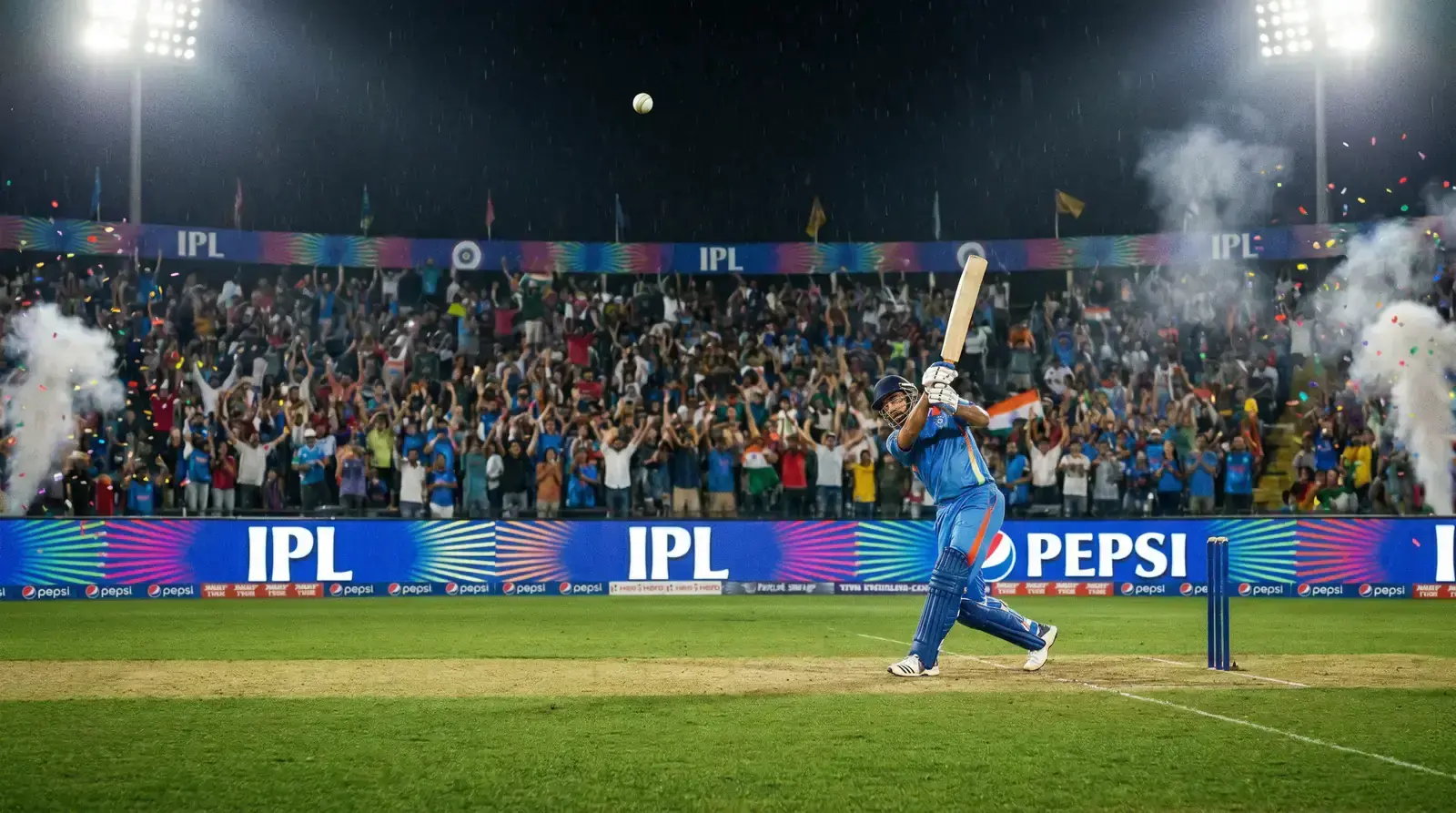

Why T20 Is the Engine of Cricket Betting Growth
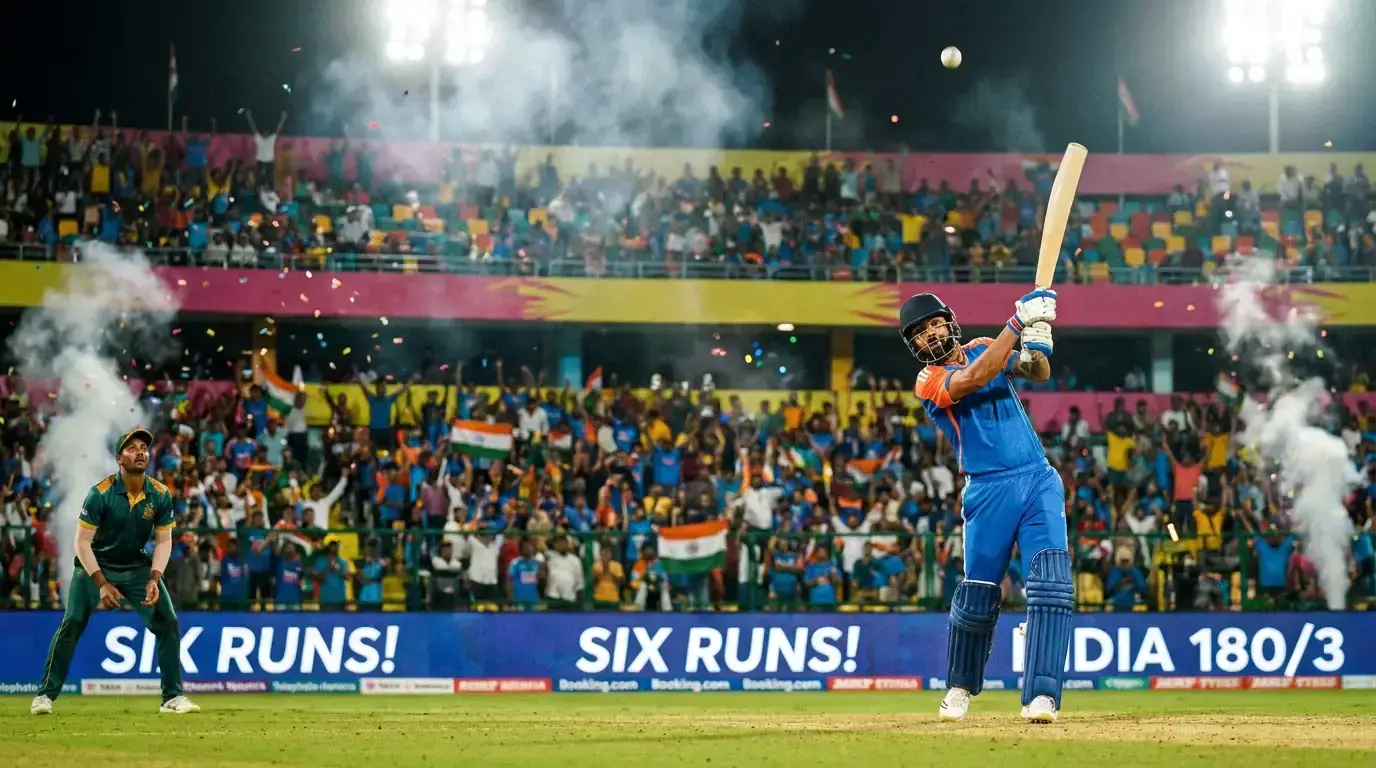
There’s a moment in every T20 match — usually around the 15th over of the second innings — when the required run rate climbs past ten an over, and the entire complexion of the betting market shifts in thirty seconds. I’ve watched match winner odds swing from 1.20 to 3.50 on a single six followed by a wicket. No other cricket format produces that kind of volatility, and volatility is what makes a betting market liquid.
The global cricket betting market was valued at USD 76.5 billion in 2023 and is projected to reach USD 151.2 billion by 2032. T20 cricket drives a disproportionate share of that growth because its pace, predictability of scheduling, and entertainment value attract both casual viewers and serious bettors. For UK punters, T20 is the format that bridges the gap between watching cricket and wagering on it.
What makes T20 distinct as a betting product isn’t just the speed — it’s the data. Twenty overs per side, hundreds of matches per year across global leagues, and ball-by-ball records stretching back nearly two decades give bettors a statistical foundation that Test and ODI cricket can’t match in volume.
T20 Match Structure and Betting Implications
A T20 match divides into clear phases, and each phase creates distinct betting opportunities. The powerplay — overs one through six — operates under fielding restrictions that encourage aggressive batting. The middle overs (seven through fifteen) typically see a consolidation period. The death overs (sixteen through twenty) produce the highest scoring rates and the most dramatic odds movements.
This three-phase structure matters because bookmakers set in-play lines based on phase-specific scoring benchmarks. A team at 45-1 after six overs is roughly on par for a competitive total. A team at 30-3 is in trouble. The same score line means completely different things depending on which phase the match is in, and experienced bettors know exactly where those inflection points sit.
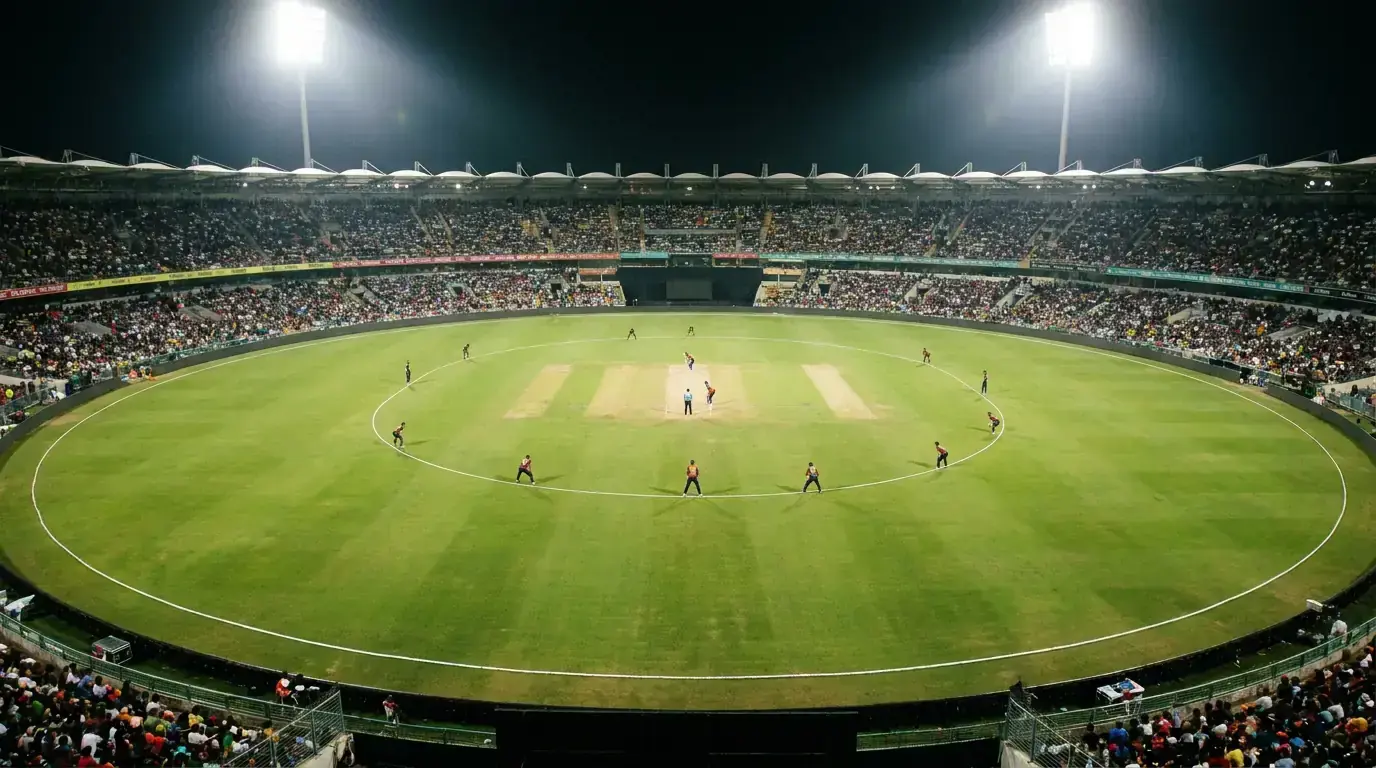
The innings break in T20 is brief — typically 15-20 minutes — and it’s the window where second-innings odds are set with the first-innings total as a benchmark. I’ve found that bookmakers tend to slightly overreact to high first-innings totals, making the chasing side’s odds fractionally longer than they should be. This isn’t a guaranteed edge, but it’s a pattern I’ve tracked across hundreds of matches.
Markets That Thrive in T20 Cricket
Not every market works equally well in T20. Live betting represents roughly 55-60% of all cricket wagers placed in the UK, and T20 is where that figure climbs highest. The live cricket betting environment suits markets that settle within a few overs: runs in the next over, method of next dismissal, and batsman to score a boundary off the next ball.
Pre-match, the most popular T20 markets include match winner, top batsman, top bowler, total match runs over/under, and team to score the most sixes. Bet builder combinations — for example, match winner plus top batsman plus total runs over a threshold — are particularly popular because the short format allows punters to link outcomes they feel confident about.
Player performance thresholds are well-suited to T20 because batting and bowling statistics cluster around predictable ranges. An opening batsman in a major T20 league averages around 25-30 runs per innings. A front-line bowler averages 1.5-2 wickets. These averages give bookmakers their lines, and they give bettors a framework for assessing whether the odds on offer represent genuine value or just mathematical noise.
Powerplay and Death Overs: Where Odds Swing
I once watched a T20 match where the batting side scored 28 runs in the first four overs and then smashed 32 off overs five and six alone. The match winner odds, which had drifted to 2.80 after a slow start, snapped back to 1.45 by the end of the powerplay. That’s the kind of swing that makes powerplay betting both thrilling and treacherous.
The powerplay is where field restrictions force bowlers to attack and batsmen to capitalise. Average powerplay scores across major T20 leagues sit between 45 and 55 runs, but the variance is enormous. A team can score 70 runs in six overs or collapse to 25-3. For in-play bettors, the powerplay is the most information-rich period of the innings because it reveals the pitch behaviour, the bowling quality, and the batting intent in compressed time.
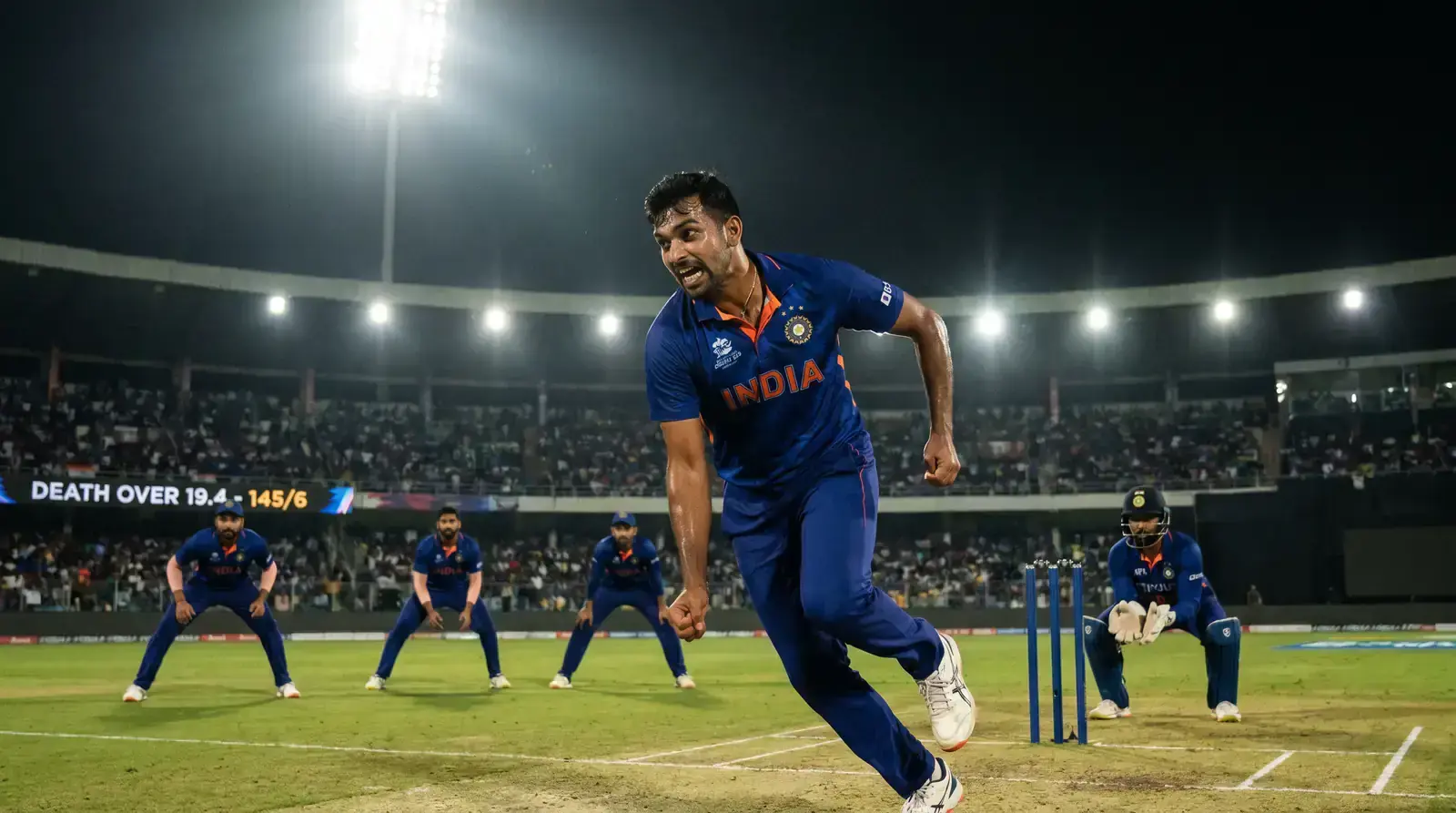
Death overs carry their own betting logic. Teams that are well set with wickets in hand accelerate dramatically between overs 16 and 20, often scoring at 12-14 runs per over. Teams that have lost their middle order earlier tend to stall, producing run rates below eight. The number of wickets in hand at the start of the 16th over is the single best predictor of death-over scoring, and it’s a variable I always check before placing an in-play bet in the final stretch.
Major T20 Leagues Available to UK Bettors
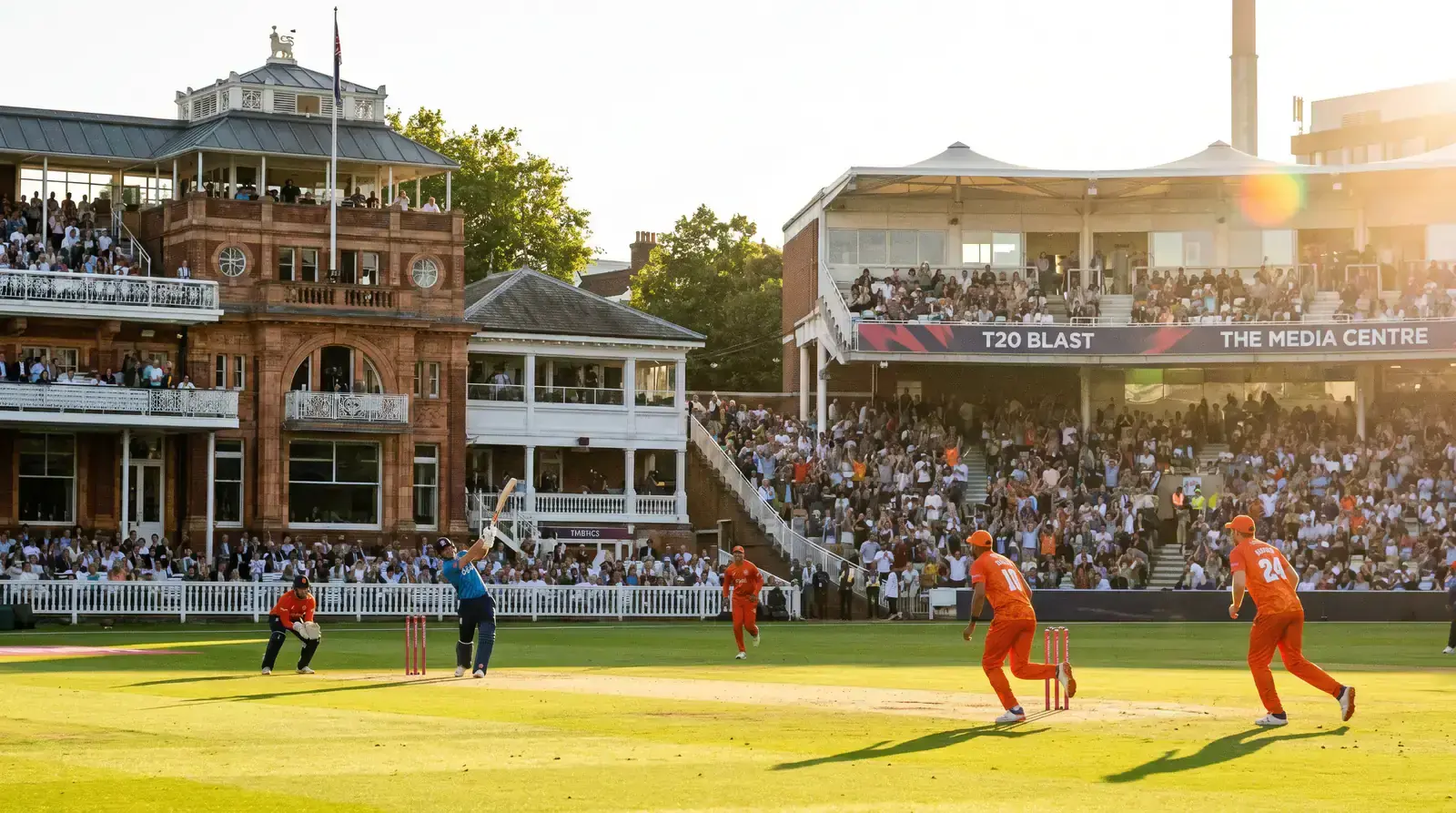
The breadth of T20 cricket available to UK bettors has expanded enormously. The IPL remains the flagship event, with the 2025 season exceeding one billion viewers globally. Beyond India, UK bookmakers cover the Big Bash League in Australia (December-February), the Caribbean Premier League (August-September), the SA20 in South Africa (January-February), and the T20 Blast domestically during the English summer.
Each league has a different profile for bettors. The IPL offers the deepest data and highest market liquidity. The Big Bash runs during the UK winter, providing cricket betting opportunities when the domestic calendar is quiet. The T20 Blast is played on familiar English grounds, which gives UK bettors a home advantage in terms of conditions knowledge and team familiarity.
The challenge with following multiple T20 leagues is calendar overlap. During certain months, three or four leagues run simultaneously across different time zones. I focus on one league at a time, building a detailed model for that specific competition before moving on. Spreading attention too thinly across leagues is a common mistake that leads to uninformed bets based on name recognition rather than genuine analysis.
One factor worth watching across all T20 leagues is how players perform when they cross between competitions. A batsman dominating flat pitches in the IPL can struggle in the bouncy, seaming conditions of the T20 Blast. Those transitions create temporary mispricing in player performance markets because bookmakers often anchor their odds to the most recent league performance without adjusting for conditions.