


Test Cricket Betting: Why the Longest Format Demands a Different Approach
The first time I bet seriously on a Test match, I treated it like an extended T20 — backed the team I thought would win and moved on. Three days later, rain had wiped out most of day two, the pitch had deteriorated on day four, and the match ended in a draw that nobody anticipated when the odds were set. I lost my match winner bet and learned that Test cricket operates on a fundamentally different timescale for bettors. You’re not predicting a result; you’re navigating five days of evolving conditions.
Only 6% of respondents in a major 2025 survey expressed an intention to bet on The Ashes, compared with 48% on the Grand National. Test cricket is underexplored by casual bettors, which means the markets are shaped more by specialist money than by public sentiment. That dynamic creates a different pricing environment — one that rewards patience, conditions analysis, and an understanding of how five-day cricket unfolds.
Test match betting isn’t for everyone. The pace is slower, the settlement times are longer, and the variables multiply with each passing session. But for bettors who embrace that complexity, the format offers the deepest analytical challenge in cricket.
Unique Markets in Test Match Betting
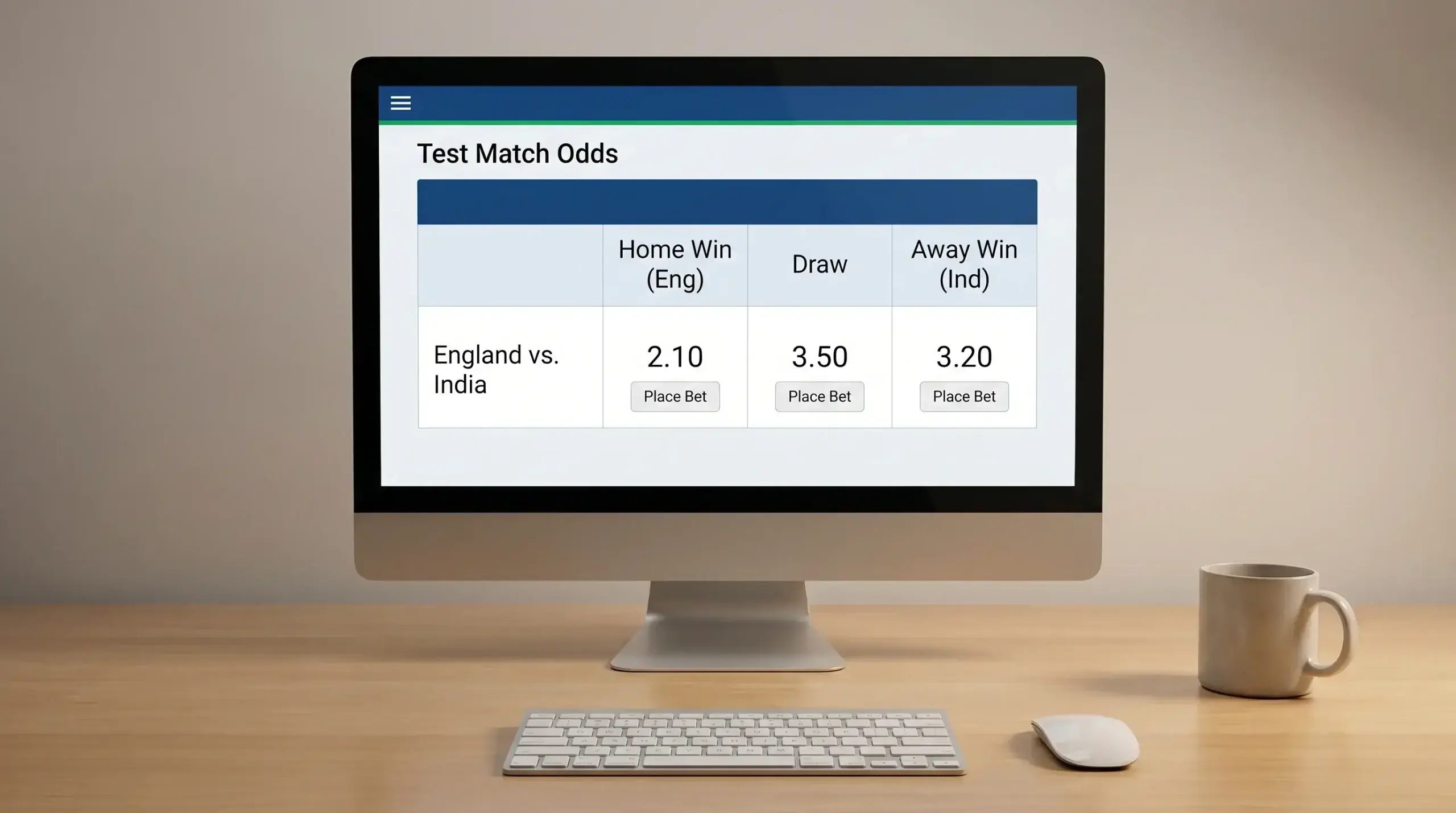
The three-way match result market is the foundation of Test betting. Unlike limited-overs cricket, the draw is a live outcome that must be priced alongside home win and away win. A typical Test match result market opens with the draw priced between 3.50 and 5.00, depending on venue, conditions, and the relative strength of the two sides. On historically result-oriented grounds like Perth or Galle, the draw trades wider. On flat, rain-prone English surfaces, it trades shorter.
First-innings lead is a popular market that settles within the first two or three days. You back which team will score more in the first innings, with the draw an option if innings totals are level. This market lets you engage with the match without waiting five days for settlement, and it’s heavily influenced by toss result and first-morning conditions.
Session markets break the match into even smaller segments. A standard Test day has three sessions: morning, afternoon, and post-tea. You can bet on runs scored in each session, wickets taken, and which team will be ahead at the session break. These micro-markets reward live watching and allow you to trade within a single day rather than committing to a five-day position.
The Draw: a Market That Only Exists in Test Cricket
I’ve profited more from backing draws in Test cricket than from any other single market type. That might sound counterintuitive, but the draw is systematically underpriced because casual bettors instinctively want a winner. The psychological bias toward a decisive result pushes draw odds out to levels that don’t reflect the actual frequency of drawn Tests.
Weather is the draw’s best friend. A rain-affected forecast can transform the draw from a 5.00 outsider to a 2.50 favourite within 48 hours. I check five-day weather forecasts for the specific ground before every Test bet, and if two or more sessions are likely to be lost to rain, the draw becomes my default position. In England, where weather disruption is a seasonal constant, draw rates are significantly higher than the global average.
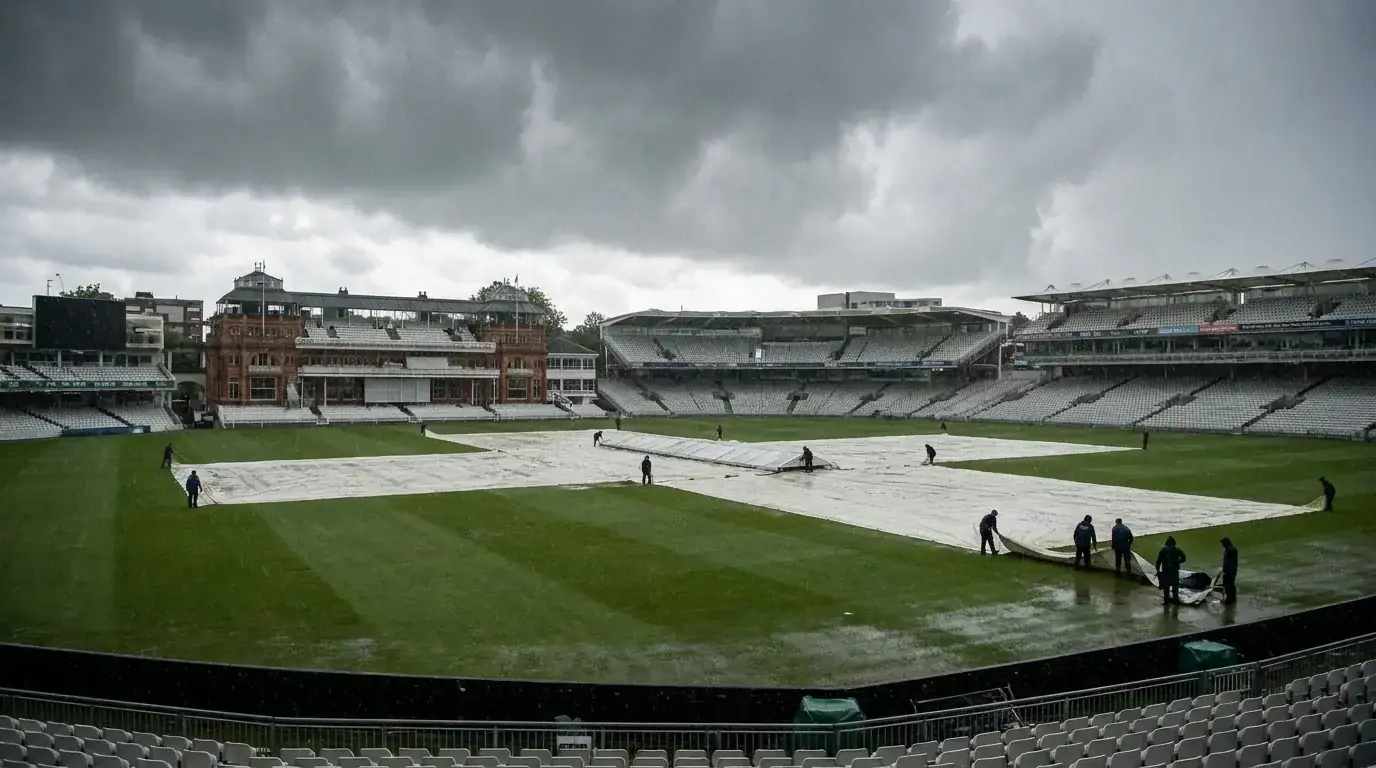
Pitch deterioration also favours the draw in certain circumstances. A pitch that cracks and crumbles on days four and five makes batting progressively harder, which can result in both teams failing to force a result within the available time. Paradoxically, the most entertaining pitches from a cricket perspective — surfaces that offer something for bowlers throughout — are also the pitches most likely to produce a draw if the first two days are evenly contested.
Session Betting and Day-by-Day Analysis
Live betting represents roughly 55-60% of all cricket wagers placed in the UK, and Test match sessions are where that figure climbs for bettors who follow the longer format. Each session lasts approximately two hours and produces around 25-35 overs of play, during which three to five wickets might fall and 60-100 runs might be scored. These ranges are predictable enough to support over/under markets but variable enough to create genuine uncertainty.
The morning session on day one is the most analytically rich period. The pitch is at its freshest, the bowling attack is operating at full intensity, and the toss result has just determined who faces those conditions. I treat the first session as my primary data-gathering window: if the pitch offers significant seam movement, I adjust my match expectations downward. If it plays flat, I revise upward. The information value of the first session often exceeds its betting value, and I’m perfectly happy to watch rather than wager during those initial two hours.
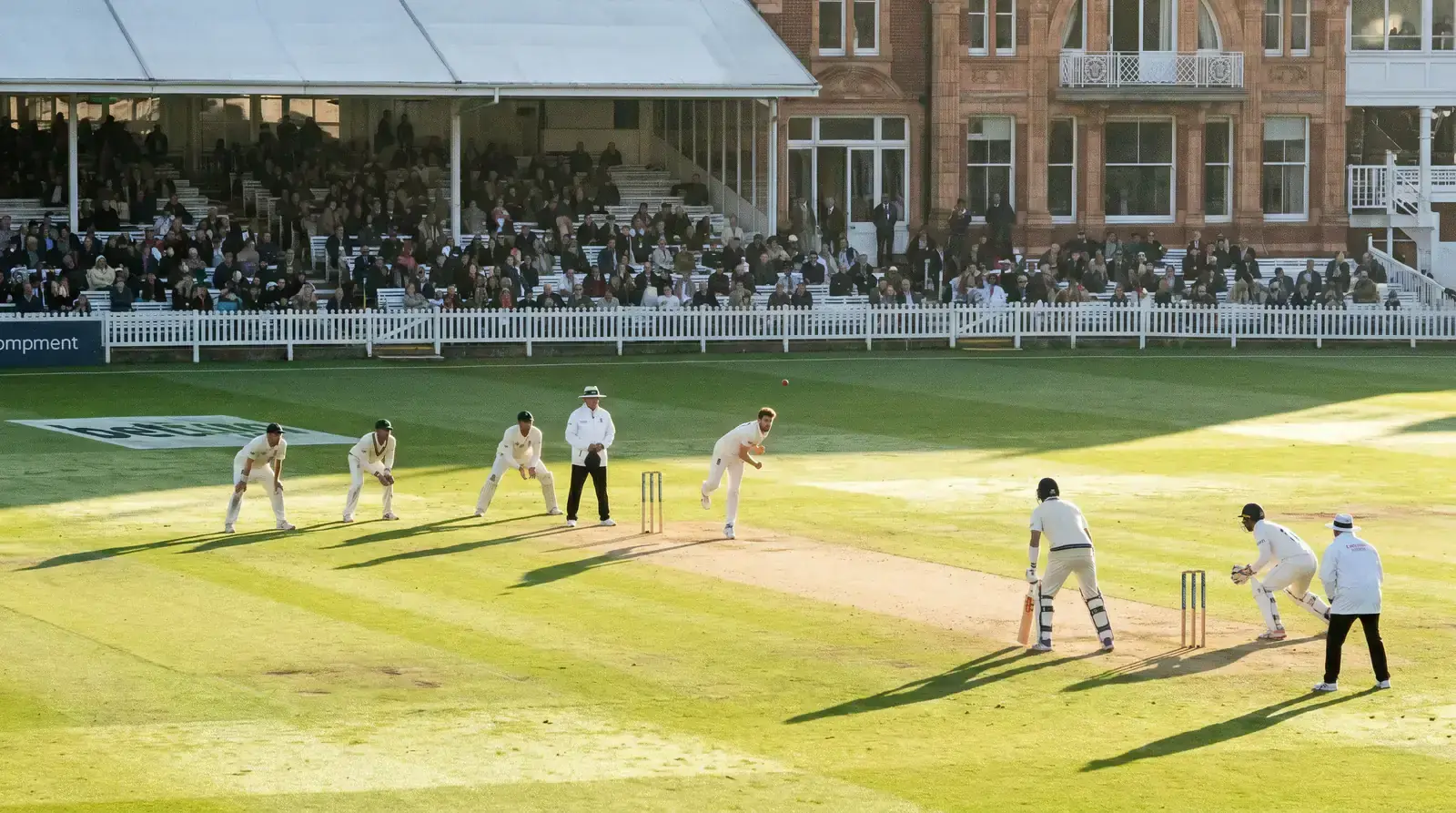
Day five is the mirror image — the most volatile session for betting but the most informed. By day five, you know the pitch, you know the match situation, and the only variable is time. Can the batting side survive? Can the bowling side force ten wickets? Day-five markets tend to be priced aggressively, with draw odds shortening and chasing-team odds lengthening as time runs out. I’ve found consistent value in backing the draw on the morning of day five when the batting side needs to survive rather than chase, because survival is a more achievable objective than most odds imply.

Pitch Deterioration and Its Effect on Odds Over Five Days
Every Test pitch tells a story across five days, and that story is the single most important factor in Test match betting. Day one pitches at English domestic grounds tend to offer pace, bounce, and lateral movement. By day three, the pace slows, the bounce becomes more variable, and cracks begin to appear. By day five, the surface favours spin bowling, and batting becomes a matter of technique and temperament rather than timing and power.
This trajectory creates a predictable pattern for over/under markets. First-innings totals are typically the highest because the pitch is at its best. Second-innings totals are slightly lower. Third and fourth innings, played on a deteriorating surface, produce the lowest averages. I track first-to-fourth innings scoring ratios by venue, and the decline is consistent enough to anchor my session-by-session betting.
Venue-specific deterioration patterns matter as much as generic trends. Subcontinental pitches — Galle, Chennai, Delhi — turn dramatically from day three onward, making spin-bowling sides heavy favourites in the second innings. English and Australian pitches deteriorate more gradually, with pace bowling remaining relevant throughout. Matching the deterioration pattern to the bowling resources of each team gives you a structural framework for fourth-innings and day-five market positions.