
ODI Cricket: the Middle Ground Between Test and T20 for Betting
I’ve always thought of ODI cricket as the format that rewards the most rounded analysis. T20 is fast, volatile, and sometimes feels like a coin flip with a boundary rope. Test cricket is deep but demands five days of attention. ODIs sit between the two — long enough for conditions and strategy to matter, short enough for a single match to resolve in a day. That balance makes it my favourite format for structured pre-match betting.
The global cricket betting market was valued at USD 76.5 billion in 2023, with ODI cricket contributing a significant share of wagering activity during ICC events. The global sports betting market itself is projected to grow from USD 112.26 billion in 2025 to USD 325.71 billion by 2035, and ODI betting — particularly during World Cup years — drives spikes in cricket-specific turnover that dwarf anything the format produces during bilateral series.
ODIs have their own dynamics that T20 and Test bettors often misread. The 50-over structure creates distinct phases — powerplay restrictions, middle-overs consolidation, and a death-overs acceleration — that behave differently from their T20 equivalents. Understanding those differences is the starting point for anyone moving into ODI markets.
Betting Markets Specific to ODIs
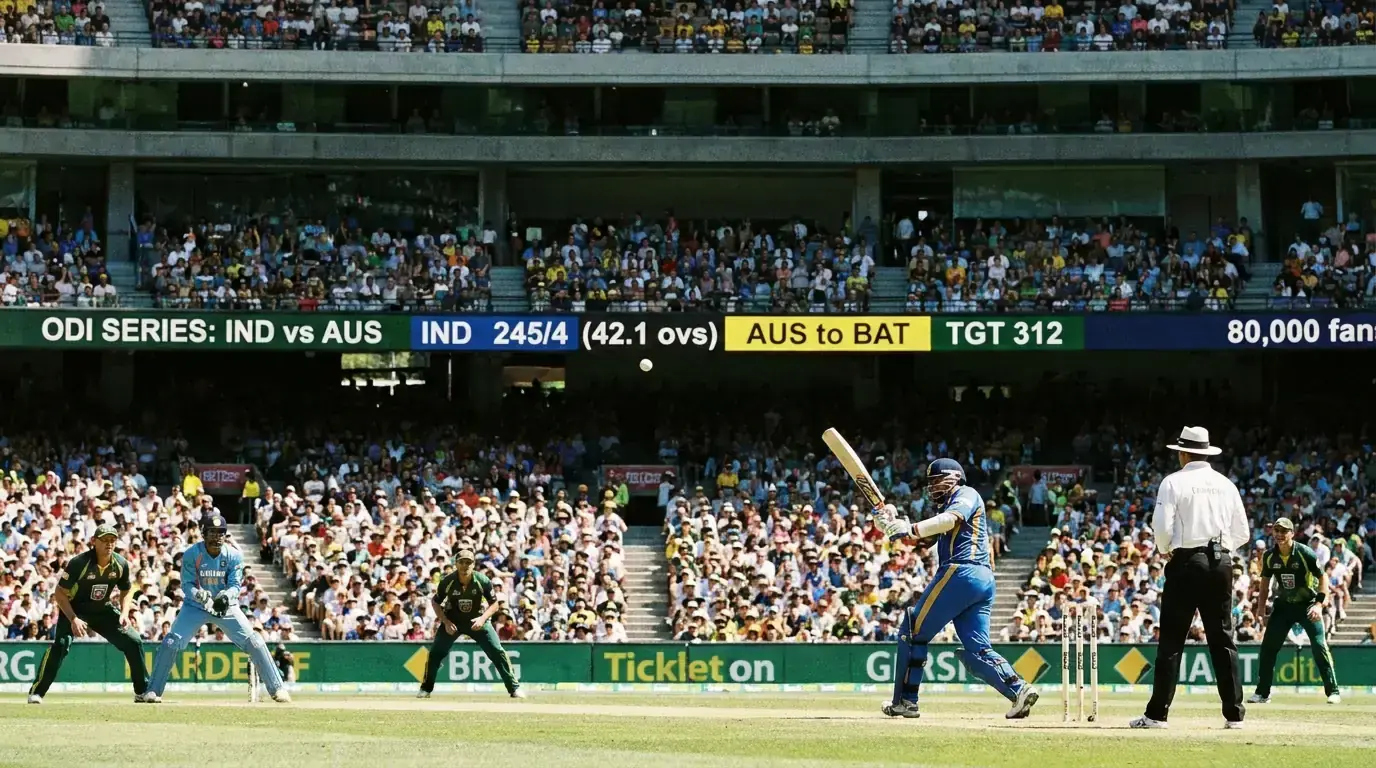
ODI markets share most of their structure with T20: match winner, top batsman, top bowler, total runs over/under, and player performance thresholds. The practical difference lies in the scale. ODI totals are higher — typically 250-350 per innings — which means over/under lines are set higher and the variance around those lines is wider. A 20-run swing in a T20 changes the outcome; a 20-run swing in an ODI might not even move the line.
Series winner markets are available for bilateral ODI series, typically three to five matches. These function like mini-tournament outrights, with odds adjusting after each match. I find series winner markets more analytically tractable than individual ODI match winners because form trends and conditions patterns stabilise across a series played at multiple venues in the same country.

Innings milestones — will a team score 300+, will a batsman make a century, will there be a five-wicket haul — are common ODI markets that don’t translate as cleanly to T20. The longer innings creates more opportunities for individual landmarks, and these milestone markets attract bettors who follow specific players and have a view on their current form relative to the conditions.
How 50-Over Dynamics Shape Betting Angles
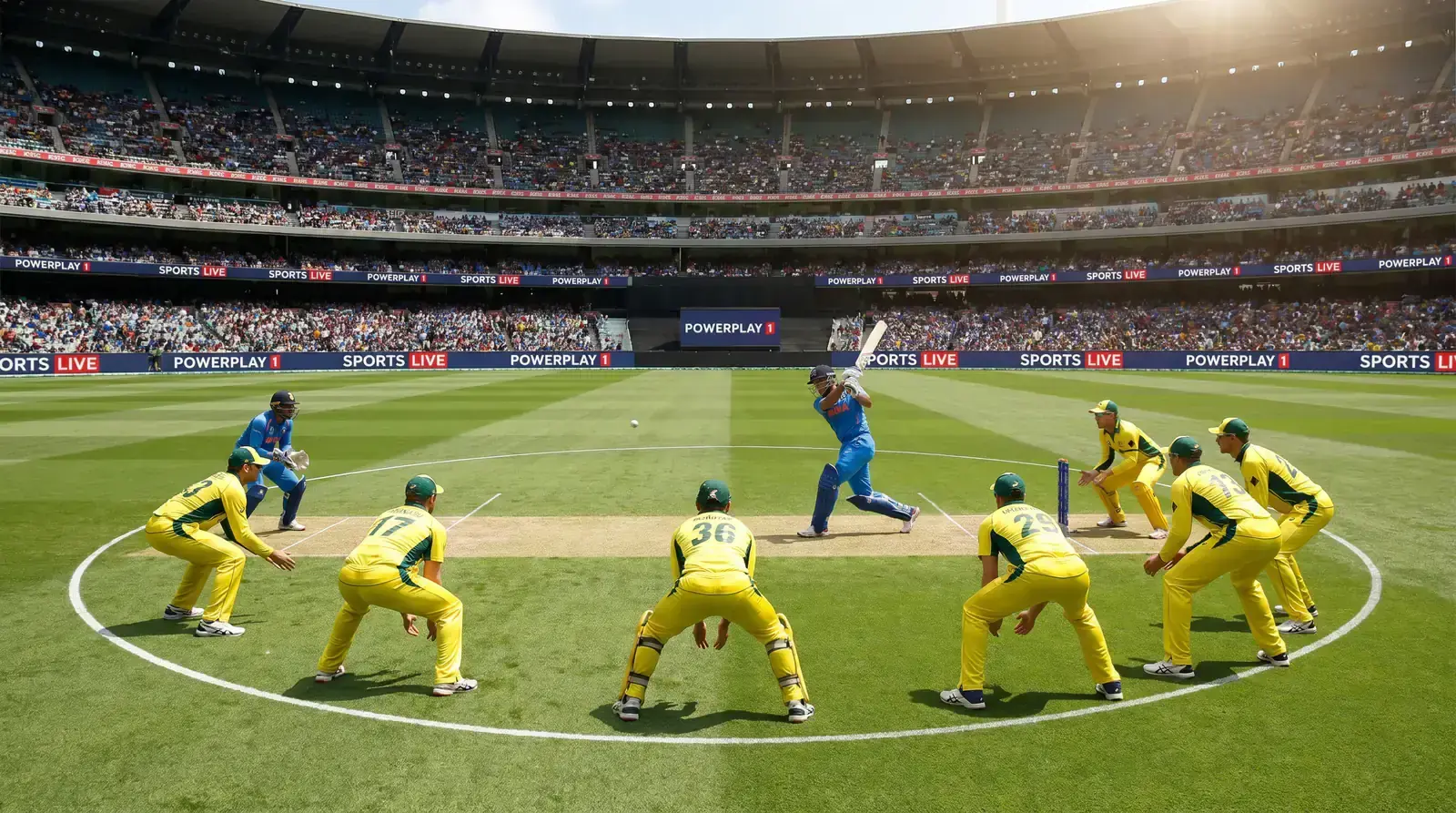
The 50-over structure creates three distinct phases: powerplay (overs 1-10), middle overs (11-40), and death overs (41-50). Each phase has different fielding restrictions, which shapes the scoring patterns and creates distinct betting opportunities. The middle overs are the analytical battleground — they’re the phase where scoring rates dip, where the team setting the pace either consolidates or accelerates, and where most ODI bets are won or lost.
Run rates in the middle overs tell you more about the match trajectory than the powerplay score. A team scoring at 5.5 runs per over through the middle overs is building toward a 300+ total. A team scoring at 4.0 in the same phase is struggling. Bookmakers adjust in-play lines based on these rates, but the adjustment often lags behind the actual trajectory, especially in the 25-35 over window where the innings hasn’t fully revealed its direction.
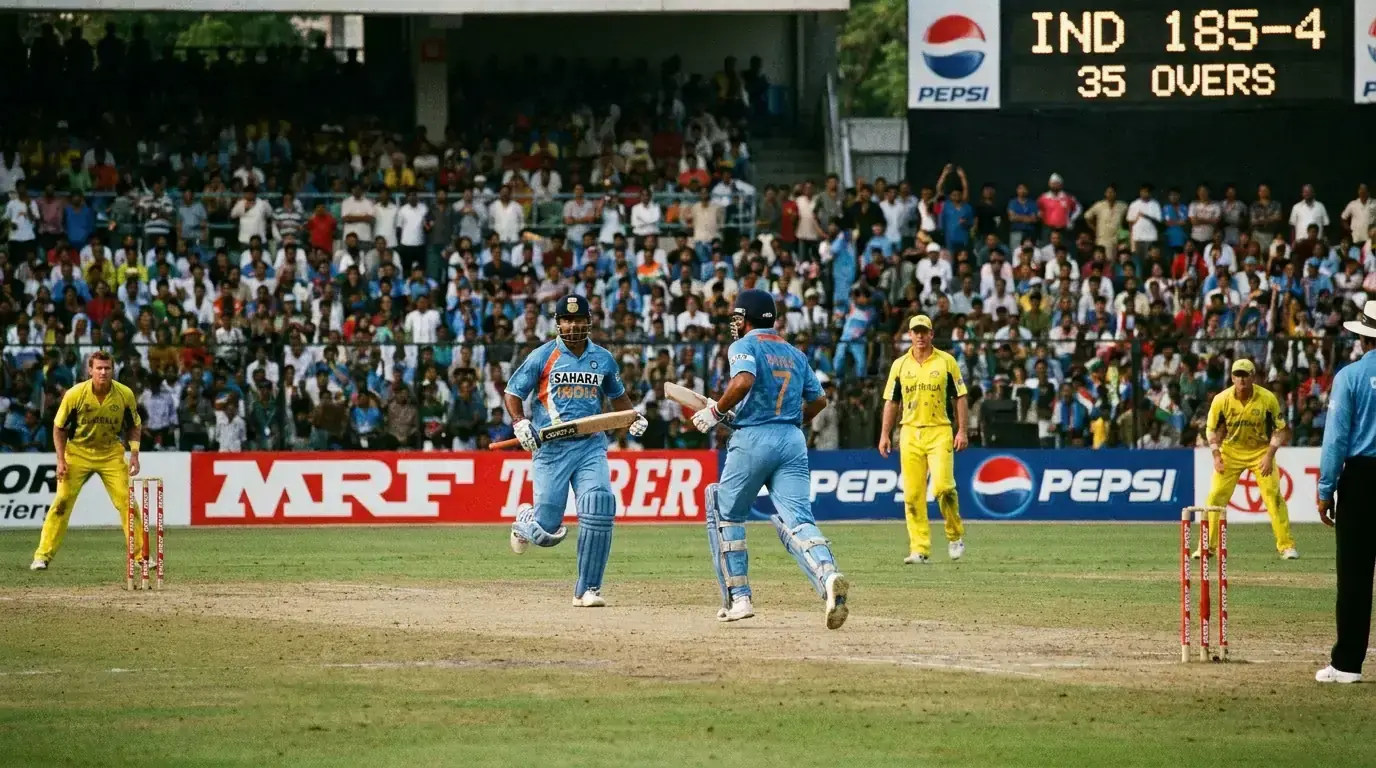
Tim Bostock, CEO of Durham CCC, noted the commercial value that cricket’s newer formats can generate. ODI cricket occupies a space where that commercial energy meets traditional analytical depth — giving bettors enough time to analyse the match in progress while still delivering a result within a single day.
Bilateral ODI Series Betting
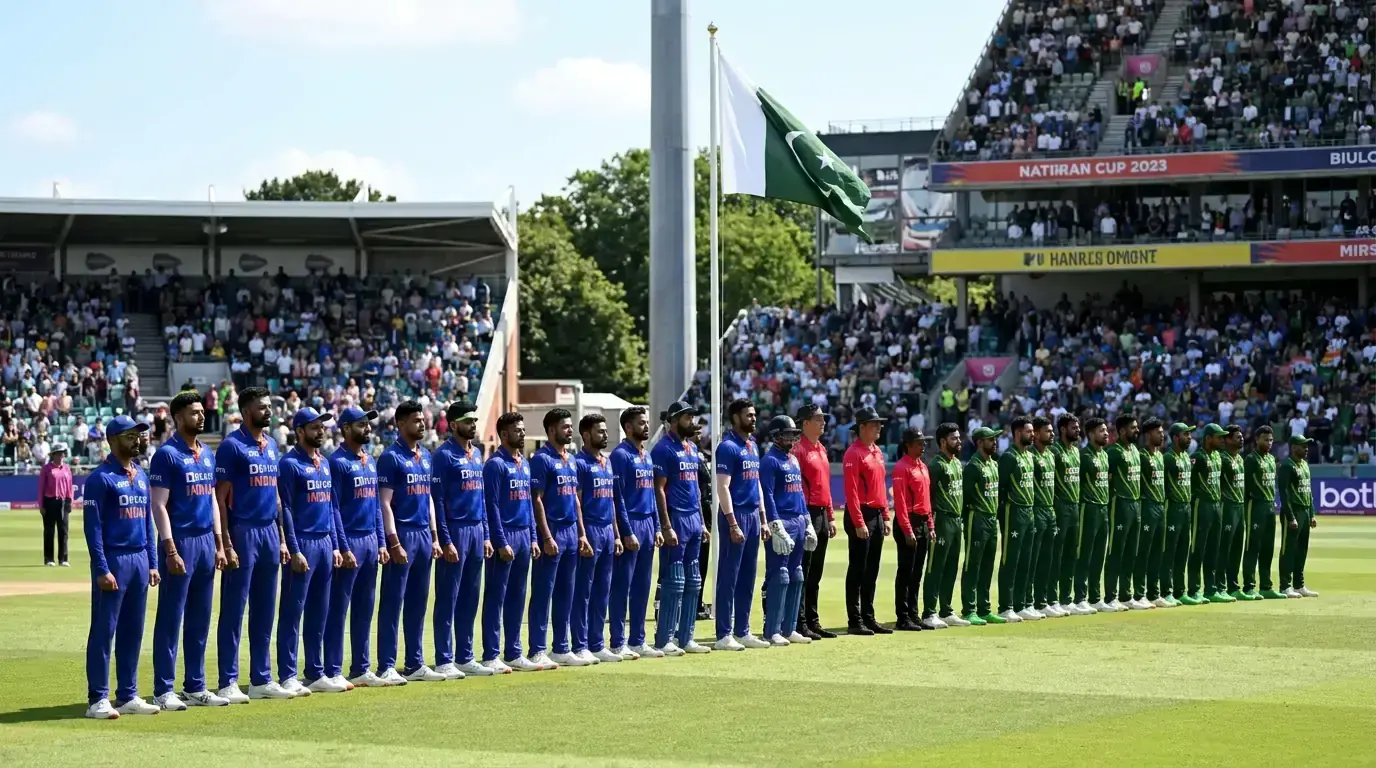
Bilateral ODI series receive less market attention than major tournaments, which creates opportunity. A three-match series between, say, England and South Africa generates outright series winner odds, individual match winner markets, and player-specific markets for each fixture. The series context adds a layer of analysis that standalone matches lack: how do teams adjust their approach after a win or loss, and how does squad rotation across the series affect market pricing?
I’ve found that the team losing the first match in a bilateral series often drifts too far in the series winner market. Captains respond to a series deficit by adjusting tactics, and the data shows that first-match losers win the series more often than their post-loss odds imply. This isn’t a guaranteed pattern, but it’s consistent enough to inform series-level positions after the opening fixture.
Venue rotation within a series matters too. A series played across three different grounds in England means three different pitch profiles, three different weather exposures, and potentially three different advantages for batting or bowling. I analyse each venue independently and treat each match as a distinct betting proposition rather than projecting the first-match result across the entire series.
DLS Method and How It Affects Bet Settlement
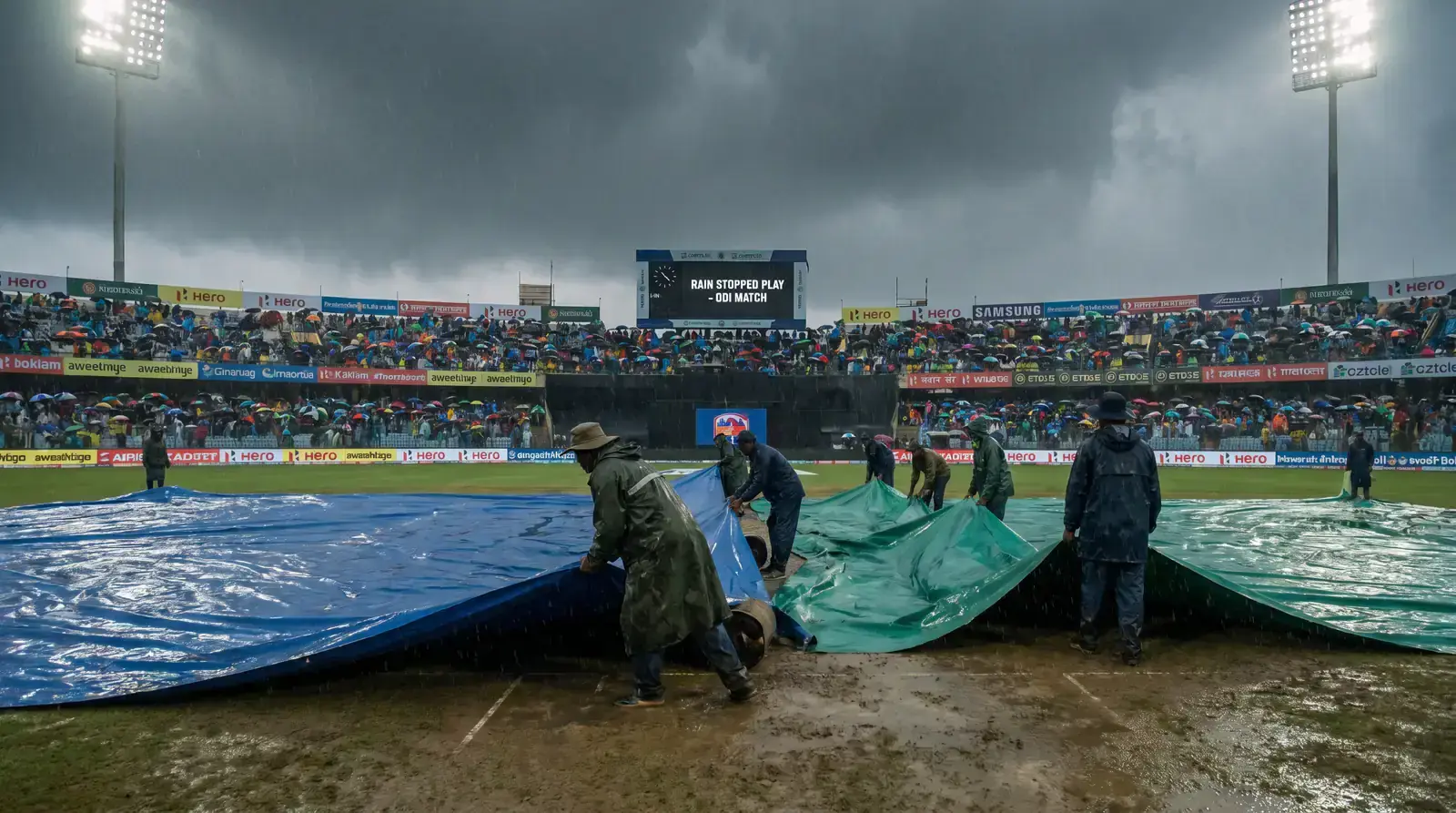
The Duckworth-Lewis-Stern method is the mathematical model used to adjust targets in rain-affected limited-overs matches. When rain interrupts an ODI and the second innings is shortened, DLS recalculates the target based on the overs and wickets remaining. For bettors, DLS has a critical practical implication: your match winner bet remains live even if the match is shortened, because DLS produces an official result.
DLS-adjusted results can feel arbitrary to bettors unfamiliar with the method. A team chasing 310 in 50 overs might find their revised target is 185 in 30 overs after a rain delay. If they reach 186 off 29 overs, they win under DLS — and your bet settles accordingly. Understanding the principle behind DLS — that it aims to preserve the balance of the match by adjusting for resources lost — helps you assess whether a DLS scenario favours the team batting first or second.
Over/under bets on total runs are more vulnerable to DLS disruption. Some bookmakers void over/under bets if the match is reduced below a minimum number of overs. Others settle based on the actual runs scored in the shortened match. I always check DLS-related settlement rules before placing any ODI bet during a World Cup or series played in monsoon-prone conditions, where rain interruptions are a genuine probability rather than a theoretical risk.