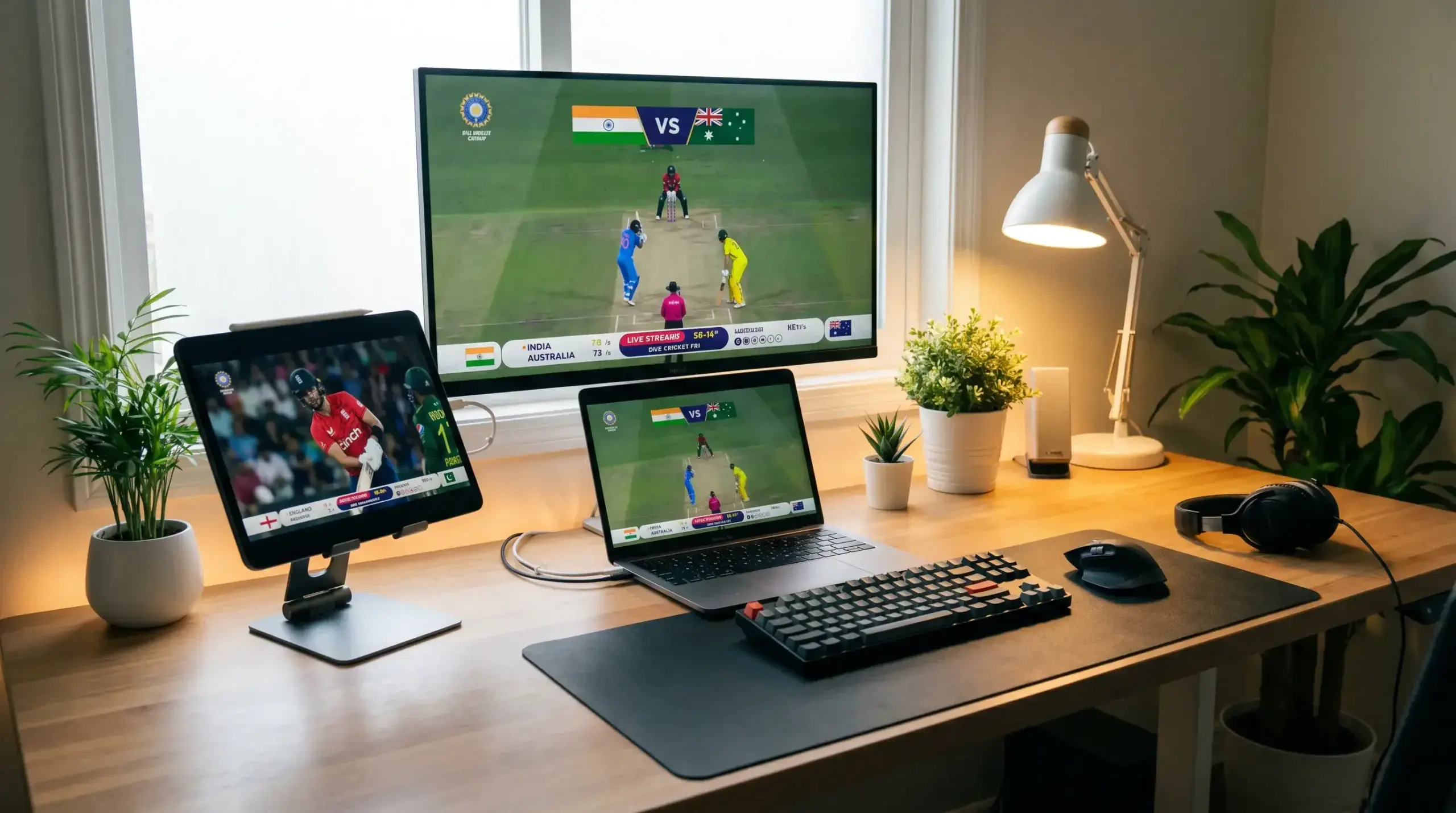


Streaming and Betting: Why Watching the Match Changes Your Decisions
I once placed an in-play bet on a T20 match I wasn’t watching, based purely on the scorecard updating on my phone. I backed the batting side at 2.50, thinking their required rate was manageable. What I didn’t see was that their set batsman had just been injured running between wickets and was barely able to move. He got out two balls later, and the chase fell apart. Had I been watching the stream, I’d never have placed that bet. That day I made watching a non-negotiable condition for any in-play wager.
The online segment accounted for roughly 75% of the sports betting market in 2025, and live streaming has become the connective tissue between watching sport and wagering on it. UK bookmakers who offer live cricket streams aren’t providing entertainment as a bonus — they’re building an ecosystem where the act of watching and the act of betting happen on the same screen, in real time.
For cricket bettors, streaming access is a genuine analytical tool. Body language, field settings, bowling changes, pitch behaviour visible from the camera angle — all of these are data points that a scorecard doesn’t capture. The bettor watching the stream has a structural information advantage over the bettor reading numbers, and in a market where margins are tight, that advantage compounds across dozens of matches per season.
How Live Cricket Streaming Works on Betting Sites
Most UK bookmakers that offer live streaming source their feeds through licensing agreements with broadcasters or directly from sporting bodies. The stream is embedded within the bookmaker’s website or app, typically accessible from the same page where in-play markets are displayed. You watch the match in one section of the screen while the betting markets update beside it.
Stream quality varies between operators. Some offer full HD streams with minimal delay. Others provide lower-resolution feeds that lag behind the live action by several seconds. The quality difference isn’t just an aesthetic issue — it affects your ability to react to events in real time. A higher-quality, lower-latency stream gives you a fractional but meaningful edge in live cricket betting, where odds can shift within seconds of a wicket or boundary.
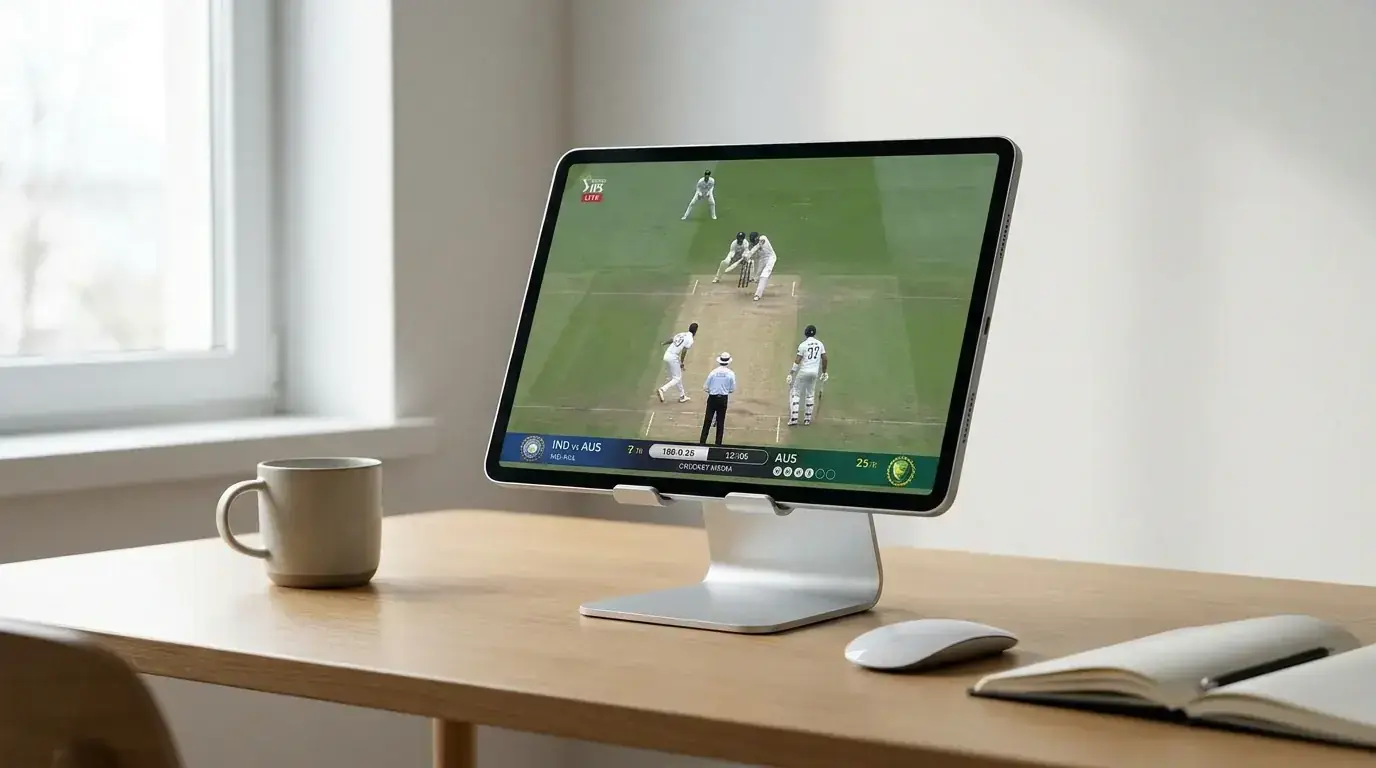
Geo-restrictions apply to all streams. A UK-based bettor will have access to streams that are licensed for the UK market, which may differ from those available in other jurisdictions. Domestic English cricket is generally well-covered during The Hundred and the T20 Blast, while overseas leagues like the IPL are subject to broadcasting rights that can restrict or enable streaming season by season.
Which Matches Are Streamed and Which Are Not
Sky Sports’ audience for The Hundred grew 38% in 2025, and BBC Sport recorded 2.2 million online views for the competition. That broadcast interest extends into the bookmaker streaming space, where Hundred matches are among the most consistently available UK cricket streams. T20 Blast fixtures, England internationals, and major overseas tournaments like the IPL and Big Bash are typically covered.
County Championship matches are the notable gap. Four-day fixtures attract limited broadcast coverage, which means live streams from bookmakers are rare or non-existent. If you bet on county cricket, you’ll generally rely on ball-by-ball scorecards and live text commentary rather than video. This is a structural limitation that reduces the viability of in-play county cricket betting for bettors who depend on visual information.
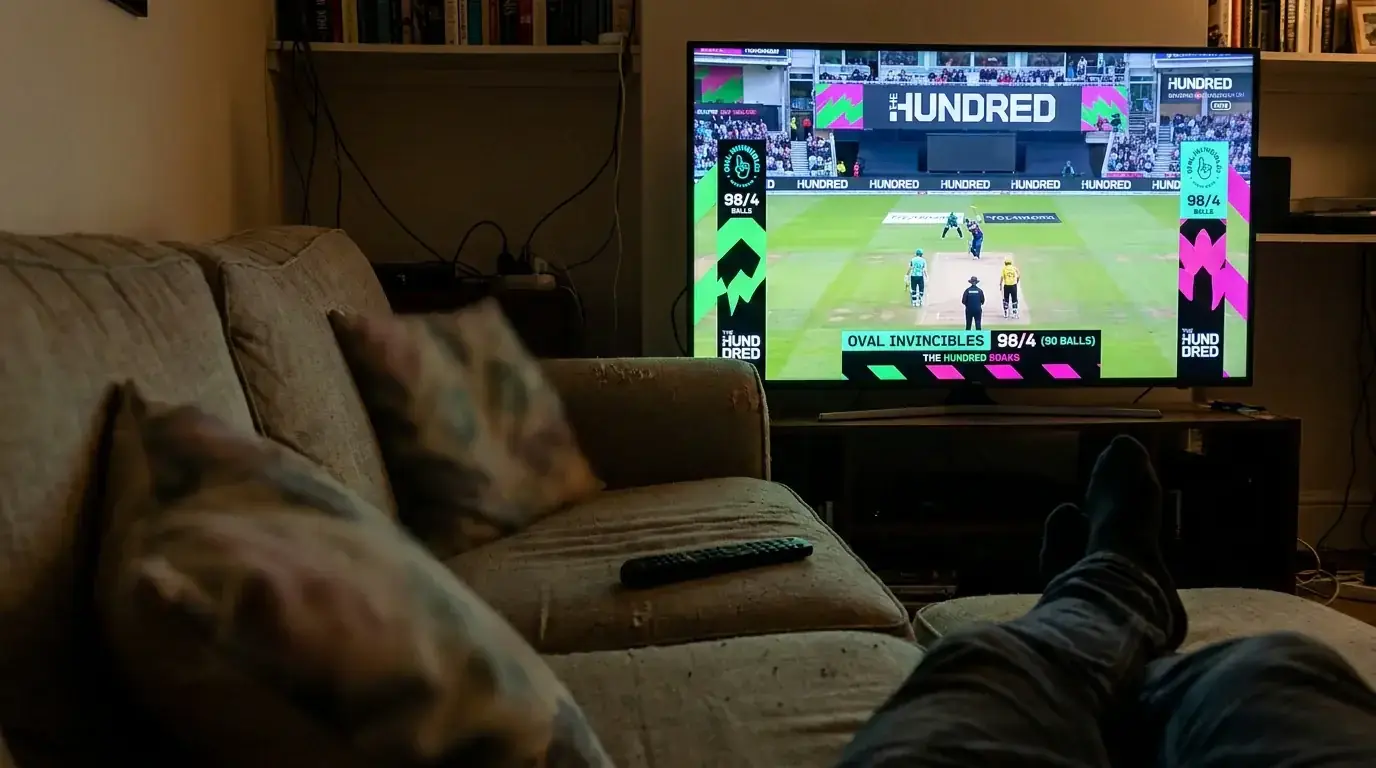
Women’s cricket streaming has expanded significantly. Women’s Hundred matches are now routinely available through bookmaker streams, and Women’s T20 International coverage is growing. The availability tracks audience growth — as viewership rises, the commercial case for streaming becomes stronger, and bookmakers respond accordingly.
Stream Delay and Its Impact on In-Play Bets
Every live stream carries a delay between the actual live action and what you see on screen. This delay ranges from five to thirty seconds depending on the operator, the feed source, and the delivery infrastructure. The delay matters because bookmakers receive data from the venue faster than the stream reaches your device, which means they adjust odds before you see the event that caused the adjustment.
In practice, this means you cannot reliably react to events you’ve just seen on the stream and expect to catch the pre-event odds. If you see a wicket fall on your stream, the bookmaker has already repriced the market. The stream’s value lies not in reaction speed but in contextual understanding: reading the pitch behaviour, assessing the bowling strategy, noticing field changes that signal the captain expects a certain type of dismissal.
I use streams for pattern recognition rather than event reaction. If I can see that the pitch is offering more turn as the match progresses, I can position an over/under bet on the assumption that the second-innings batting will be harder. That kind of insight doesn’t require millisecond timing — it requires watching the match attentively and translating visual information into betting positions before the numbers tell the same story.
Account Requirements for Accessing Live Streams
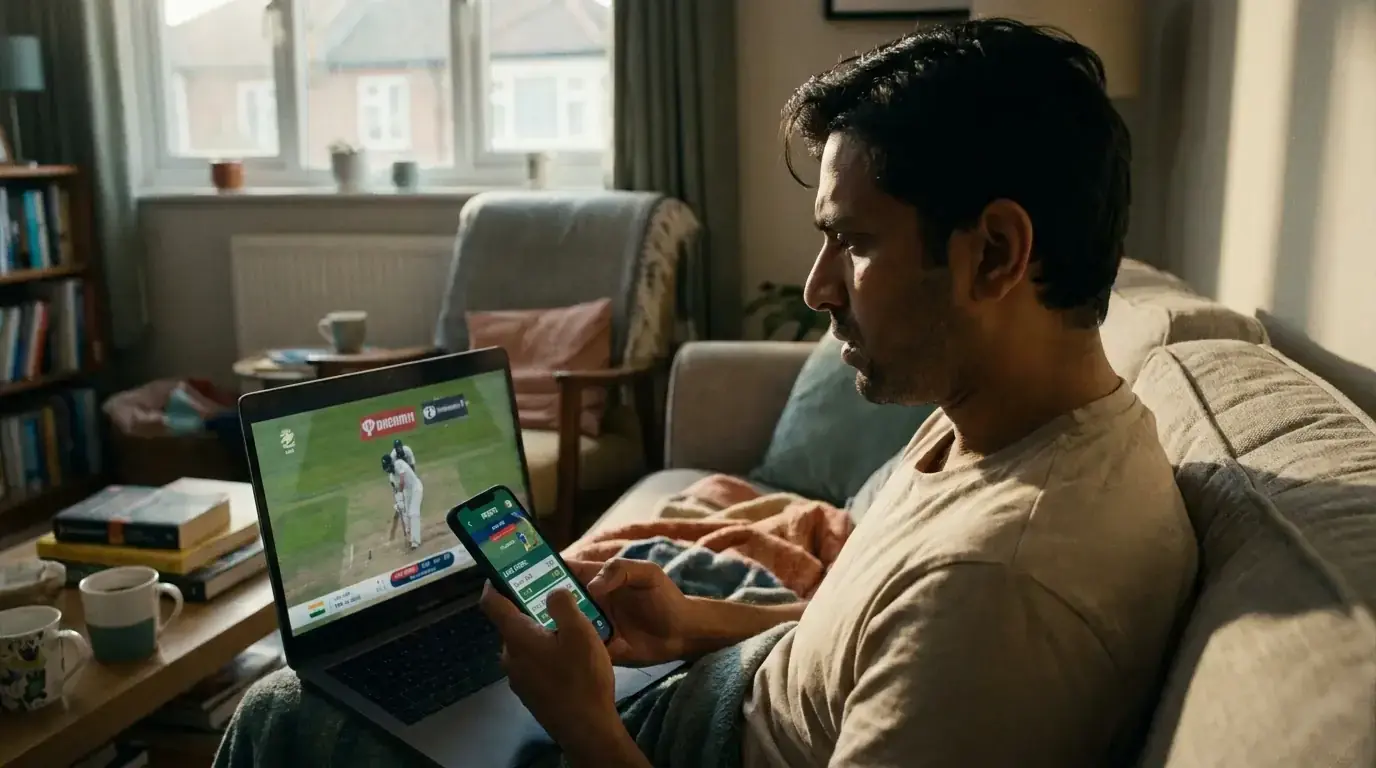
Most UK bookmakers require you to have a funded account or a recently placed bet to access live streams. The threshold varies: some require a minimum balance of £1, others require a bet placed within the last 24 hours on any market. A few operators offer streams to all registered account holders regardless of balance or recent activity, though this is less common.
The account requirement serves two purposes for the operator: it ensures the stream audience consists of active bettors rather than passive viewers, and it complies with broadcasting rights agreements that typically restrict streams to gambling customers. For you as a bettor, the practical implication is straightforward — maintain a small balance in your account during the cricket season to ensure uninterrupted stream access.

Multiple accounts across different bookmakers give you access to multiple stream sources, which can be useful when one operator’s coverage gaps leave you without a feed for a specific match. I maintain active accounts with three UKGC-licensed operators specifically for streaming coverage, rotating between them based on which fixtures each one covers. The small balances required are a trivial cost for the analytical advantage that live streaming provides.