


County Championship Betting: the UK’s Domestic Cricket Market
I placed my first County Championship bet in 2019, on a Division One match between Yorkshire and Surrey at Headingley. Finding the market took longer than finding the ground — it was buried three clicks deep in the bookmaker’s cricket section, behind international fixtures and T20 Blast markets. That obscurity is part of what makes County Championship betting worth understanding.
The UK cricket betting market generates approximately £52 million a year, and the County Championship commands a small but dedicated portion of that figure. Only about 7% of British sports bettors place wagers on cricket at all, and county cricket attracts a fraction of that fraction. The result is a market with lower liquidity, wider margins, and less analytical competition — conditions that can work in a knowledgeable bettor’s favour.
County cricket occupies a unique space in English sport. It’s the proving ground for Test match players, the domestic backbone of the professional game, and for betting purposes, a format that rewards local knowledge and conditions awareness more than any international competition.
How the County Championship Works
The structure has evolved over the years, but the current format divides 18 counties into two divisions. Division One sides play 14 matches across the season, running from April through September. Each match is a four-day fixture with first-class status, meaning it follows the same fundamental rules as Test cricket — two innings per side, no over limit per innings, and the draw as a live outcome.
The points system rewards outright wins heavily, with bonus points available for batting and bowling performance in the first innings. A team that wins six or seven matches in a season can comfortably take the title, while a team that draws most of its fixtures will struggle to compete despite avoiding defeat. This points structure has a direct impact on betting markets, because the incentive to force results means aggressive declarations and risk-taking in the final sessions of matches.

Promotion and relegation between divisions adds a competitive layer that influences late-season betting. Teams fighting relegation play with a different intensity and risk profile than mid-table sides with nothing to play for. That dynamic shows up in match result odds, particularly in September fixtures where the stakes extend beyond the individual match.
Available Betting Markets for County Cricket
Market depth for County Championship matches is narrower than for international cricket, but the core options are available. Match result — a three-way market offering home win, away win, or draw — is the standard offering. Some bookmakers also provide first-innings leader, top batsman, top bowler, and total match runs, though these may only appear for higher-profile Division One fixtures.
Outright championship winner is available as an ante-post market from the start of the season. Division winner odds for both divisions typically open in March or April. These long-running markets attract steady interest from county cricket enthusiasts who follow the domestic season closely and have strong opinions on squad strength, ground conditions, and fixture scheduling.
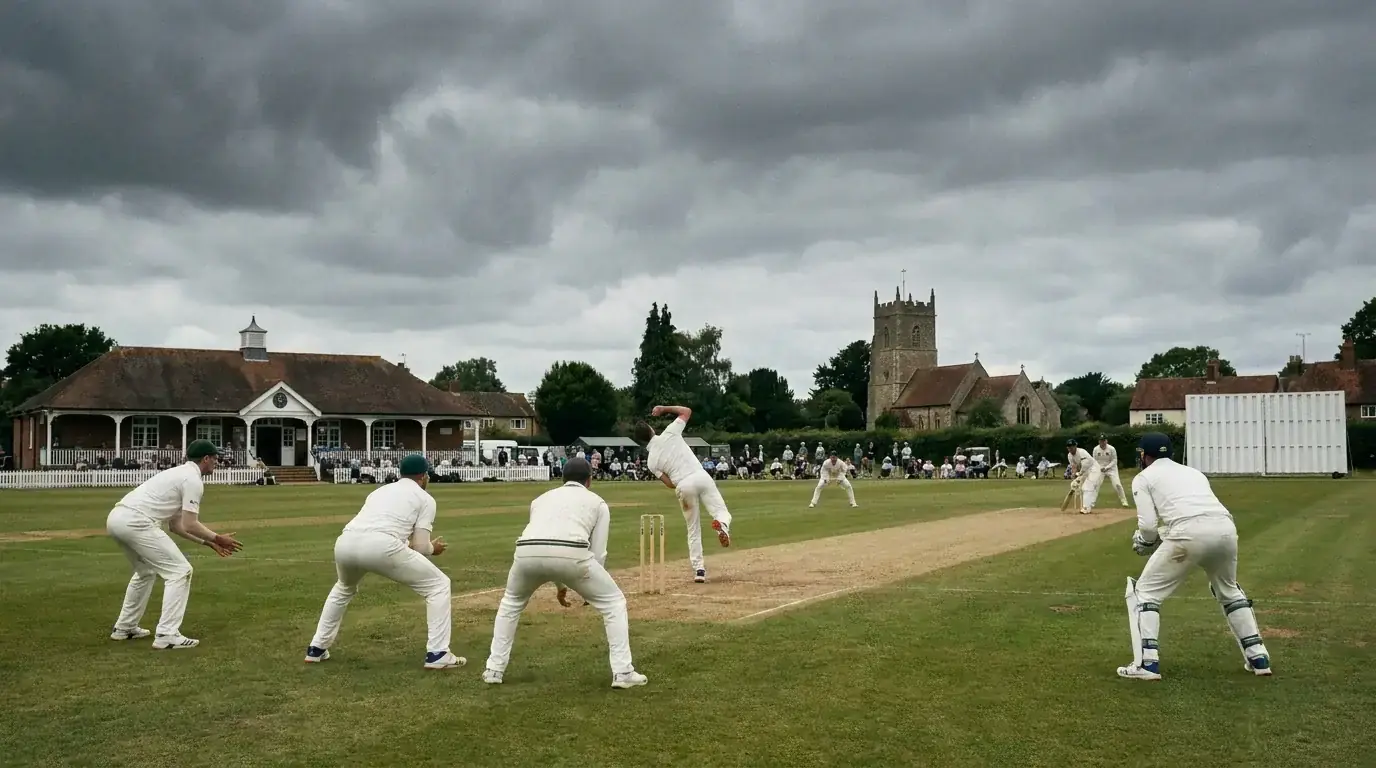
In-play betting for county cricket is limited. Unlike televised internationals or franchise T20, most Championship matches aren’t broadcast live. Without a live video feed, bookmakers restrict in-play markets to basic match result odds that update based on scorecard data rather than ball-by-ball action. This is a structural limitation that’s unlikely to change significantly given the economics of county cricket broadcasting.
Finding Reliable Data for County Cricket Analysis
One of the challenges with County Championship betting is sourcing reliable, up-to-date data. International cricket benefits from comprehensive databases, analyst commentary, and pre-match coverage. County cricket gets a fraction of that attention, which means bettors need to build their own research infrastructure.
County club websites and county cricket press — local journalists, regional sports desks — are the best primary sources for team news, squad announcements, and injury updates. I follow the cricket correspondents for each county on social media, which gives me access to team news and pitch reports hours before the information reaches bookmaker pricing teams. That time advantage is small, but in a low-liquidity market, it matters.

Historical performance data for county cricket is available through cricket statistics platforms, which log ball-by-ball scorecards for every first-class match. I track batting and bowling averages by ground, by opponent, and by month of the season. The differences are pronounced — a pace bowler’s average at Lord’s in April can be fifteen runs lower than his average at Taunton in August, and those venue-month interactions directly influence top bowler and total runs markets.
Market Liquidity and Odds Availability
Roughly 7% of British sports bettors wager on cricket, and county cricket sits at the narrower end of that spectrum. Low bettor interest means low liquidity, and low liquidity means bookmakers set wider margins to protect themselves against informed money. The overround on a County Championship match result market can reach 12-15%, compared with 4-6% on a high-profile T20 international.
Odds are often released later for county cricket than for international fixtures. A match starting on Wednesday might not have odds available until Tuesday evening, and even then, the market selection may be limited to match result only. I’ve learned to check multiple bookmakers for county odds, because some operators post markets earlier and with tighter margins than others.

The outright winner market for the County Championship carries better liquidity than individual match markets because it runs across the entire season. Ante-post bets placed in April lock in odds that reflect pre-season assessments, and those odds can move significantly by mid-season as form, injuries, and England call-ups reshape the competitive landscape. If you have a strong view on a county’s prospects before the season starts, outright markets are the most efficient way to express it.
Exchange betting on county cricket is possible but practically difficult. The liquidity on Betfair for a typical Championship match is thin, which means you may struggle to get matched at your desired price. For county cricket, traditional bookmaker odds are usually the more reliable route, despite the wider margins.