

The Ashes: Where Tradition Meets Modern Betting Markets
My first Ashes series as a bettor was 2013 in England. I backed Australia on emotion — I’d been watching old footage of Shane Warne and convinced myself they were due a comeback. England won 3-0, and I learned a lesson I’ve never forgotten: The Ashes punishes sentimental betting harder than any other cricket event. The history is intoxicating, but the data doesn’t care about nostalgia.
Only 6% of UK respondents in a major 2025 survey expressed an intention to bet on The Ashes, compared with 48% on the Grand National. That tells you The Ashes is still an underexplored betting event relative to its cultural significance. The low participation rate also means market liquidity can be thinner than you’d expect, which creates both opportunity and risk.
The UK cricket betting market generates approximately £52 million annually. The Ashes, as a series typically spanning six to seven weeks with five Test matches, represents one of the longest betting windows in the cricket calendar. That extended duration opens up a range of market types that shorter formats simply can’t support.
Series Winner, Correct Score and Outright Markets
The headline Ashes market is the series winner — a three-way bet offering England, Australia, or a drawn series. The draw is priced at longer odds but lands more often than casual bettors expect. In the last ten Ashes series, three have finished 2-2 or with a similar drawn outcome. Those who dismiss the draw option leave value on the table.
Correct series score takes this further. You bet on the exact scoreline — England 3-1, Australia 2-1, and so on. The odds are naturally longer because you’re predicting both the winner and the margin. I find this market most useful when conditions strongly favour one team and a dominant home performance looks probable. In Australia, where pitches and conditions heavily favour the host, lopsided series scorelines appear more frequently than in England.
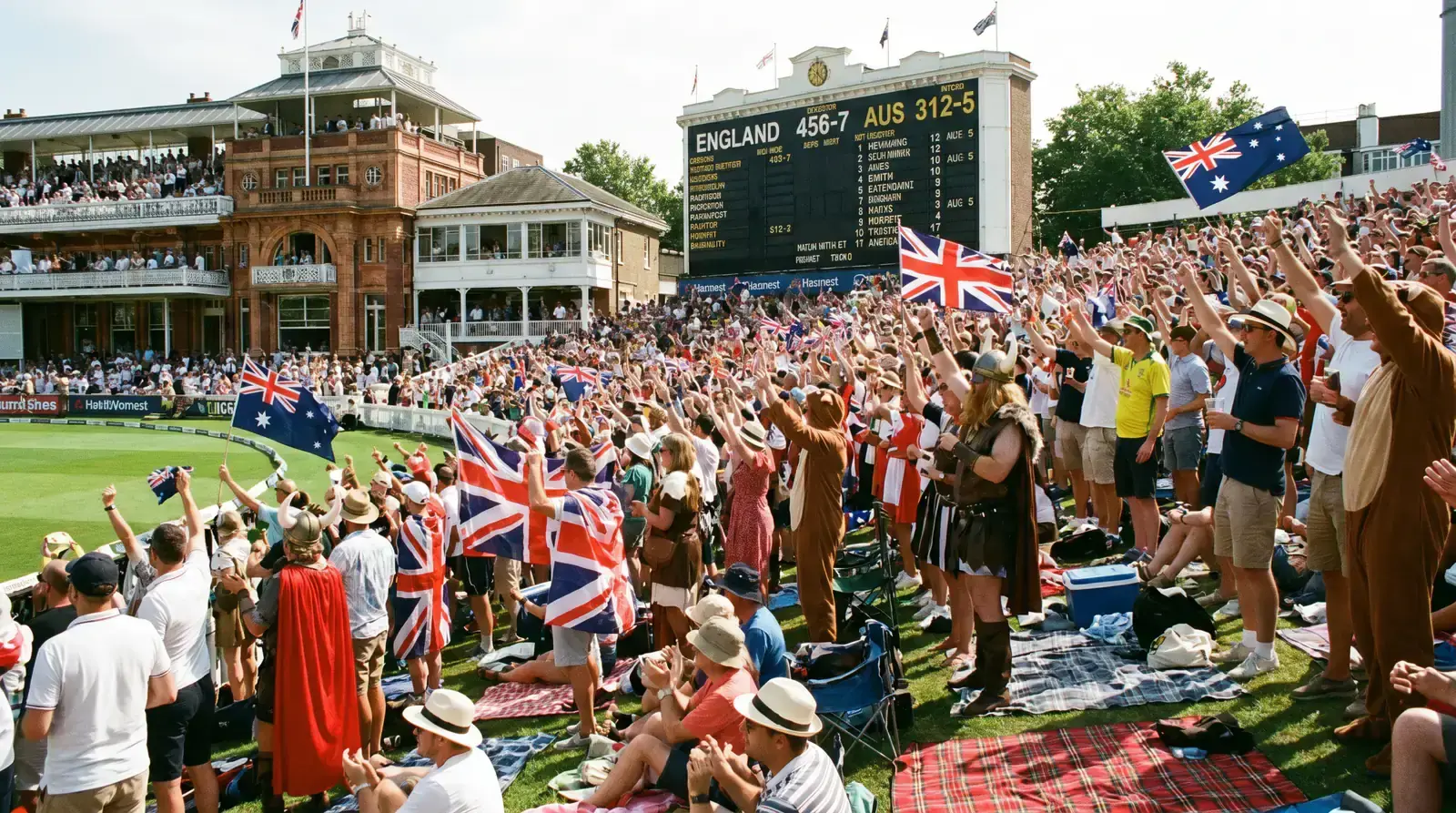
Ante-post outright markets for The Ashes open months before the series. Early prices often reflect reputation and recent form rather than the specific conditions the series will be played in. Backing a value selection early and watching the odds shorten as the series approaches is one of the most satisfying experiences in cricket betting — provided your analysis holds up.
Individual Ashes Test Match Betting
Each Ashes Test is its own betting event, with full match winner, top batsman, top bowler, innings runs, and specials markets. What makes individual Ashes Tests distinctive is the three-way market. Unlike T20 or ODI cricket, the draw is a genuine, frequently occurring outcome in Test cricket, and The Ashes is no exception.
Draw odds in Ashes Tests fluctuate dramatically based on weather forecasts. A rain-affected forecast at Edgbaston or Old Trafford can compress the draw price from 6.00 to 3.50 within 48 hours. I always cross-reference match odds with five-day weather forecasts for the specific ground before committing to a pre-match position. Weather is not a peripheral factor in Test match betting — it’s central.
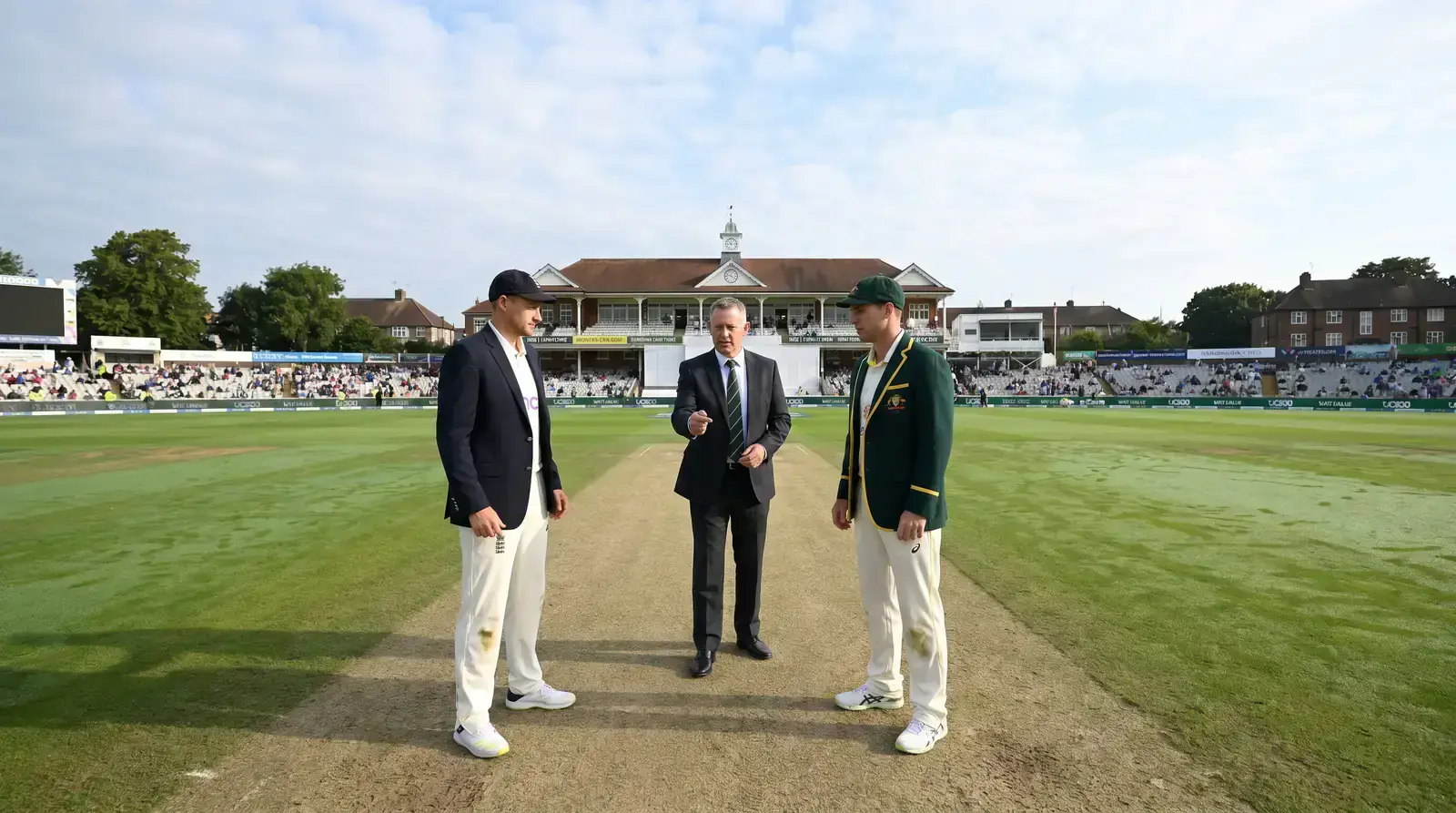
Session betting is available for Ashes Tests and provides a way to trade within a single day’s play. You can bet on runs scored in a session, wickets taken, or which team will lead at the session break. These micro-markets reward live watching and quick analysis, and they’re particularly active during the early sessions when pitch behaviour is still revealing itself.
Using Historical Ashes Data for Betting Insight
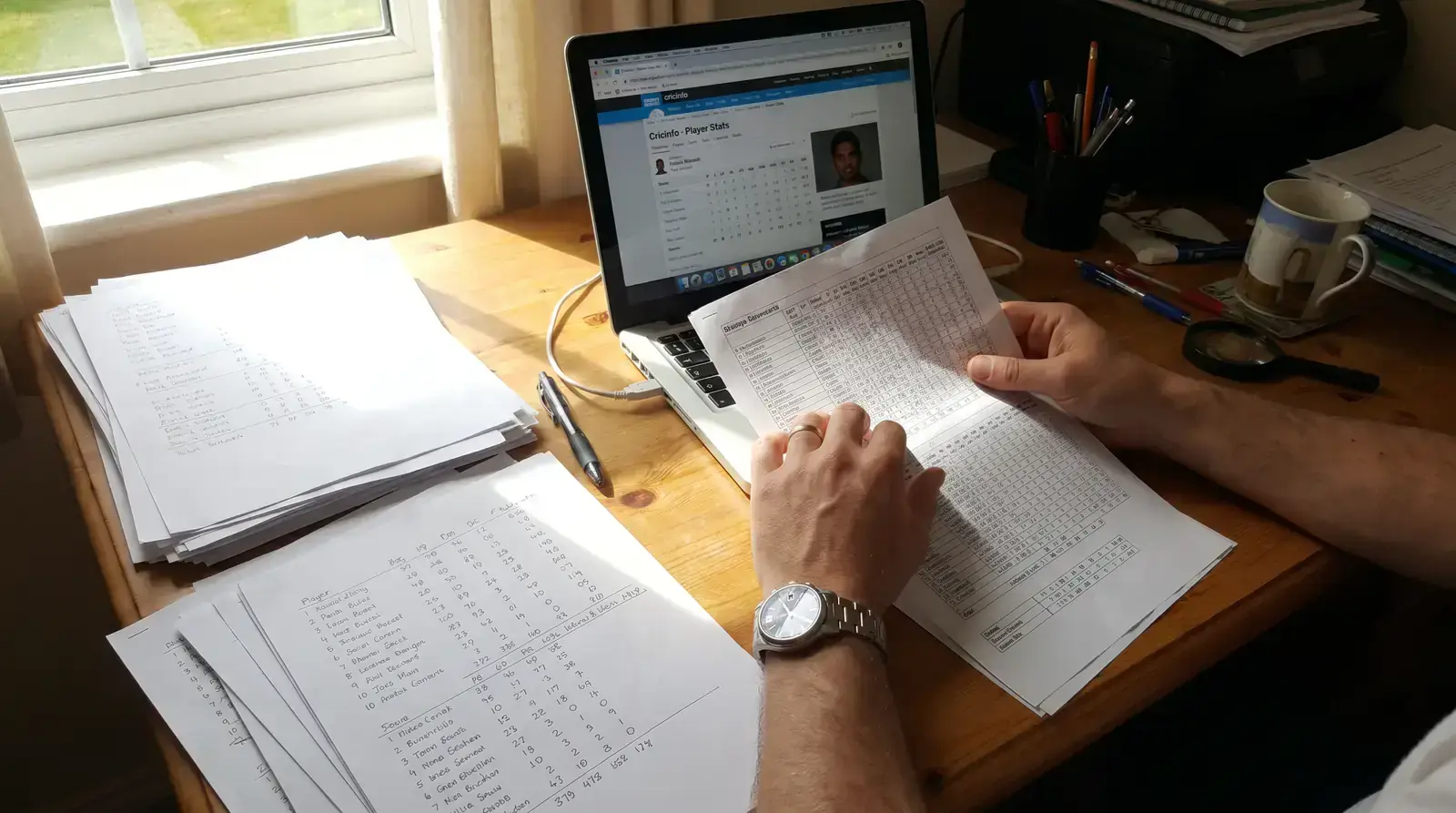
I maintain a database of every Ashes Test since 2005, tracking first-innings scores, toss decisions, century-makers, and five-wicket hauls by venue. The patterns are instructive. At Brisbane — traditionally the opening Test in Australia — the team batting first has posted 350+ in the first innings in seven of the last ten matches. That historical baseline directly informs my over/under position on first-innings runs at the Gabba.
Head-to-head records between specific players and bowling attacks also carry weight across Ashes series. A batsman who averaged 60 in the previous Ashes in England is facing many of the same bowlers in similar conditions. Player-specific data retains relevance in ways that don’t apply to T20 leagues where squad turnover is constant.
Bowling figures by venue tell a similar story. Pace bowlers with strong records at Perth or Brisbane maintain those records across multiple Ashes tours because the pitch characteristics don’t change. James Anderson’s record at Edgbaston or the Gabba’s historical affinity for fast bowling aren’t coincidences — they’re repeatable patterns built on surface and atmospheric conditions that persist year after year. Building a venue-bowler matrix gives you a structural framework for top bowler bets.
One historical angle I find underexploited is the impact of a series-opening result on the overall series outcome. In the last eight Ashes series, the team winning the first Test has gone on to win the series six times. That 75% conversion rate is high enough to influence series winner positions taken after the opening match, especially if the first Test result comes against pre-series expectations.
Venue and Conditions Analysis Across Ashes Grounds
Every Test match betting decision should start with the venue, and The Ashes amplifies that principle because the same grounds host Ashes Tests repeatedly. Lord’s, Edgbaston, Headingley, Old Trafford, and The Oval in England. Brisbane, Adelaide, Perth, Melbourne, and Sydney in Australia. Each has a personality that shapes the betting landscape.
English venues generally assist seam bowling more than their Australian counterparts, which means lower first-innings totals and greater draw probability. Adelaide’s day-night Test has become a fixture, and the pink ball under lights behaves differently from the red ball in daylight — more lateral movement, more exaggerated swing. Perth’s Optus Stadium, relatively new to Test cricket, has produced some of the fastest, bounciest surfaces in world cricket.
The conditions at each ground don’t just affect total runs — they influence which types of player excel. A fast bowler who thrives on bounce and pace will find Perth and Brisbane more productive than the flatter surfaces of Sydney or The Oval. A spin bowler will wait for Sydney or a day-four Edgbaston pitch before becoming a serious factor. Matching players to venues is the foundation of top batsman and top bowler bets in Ashes cricket.