

The Biggest UK Gambling Tax Increase in a Decade
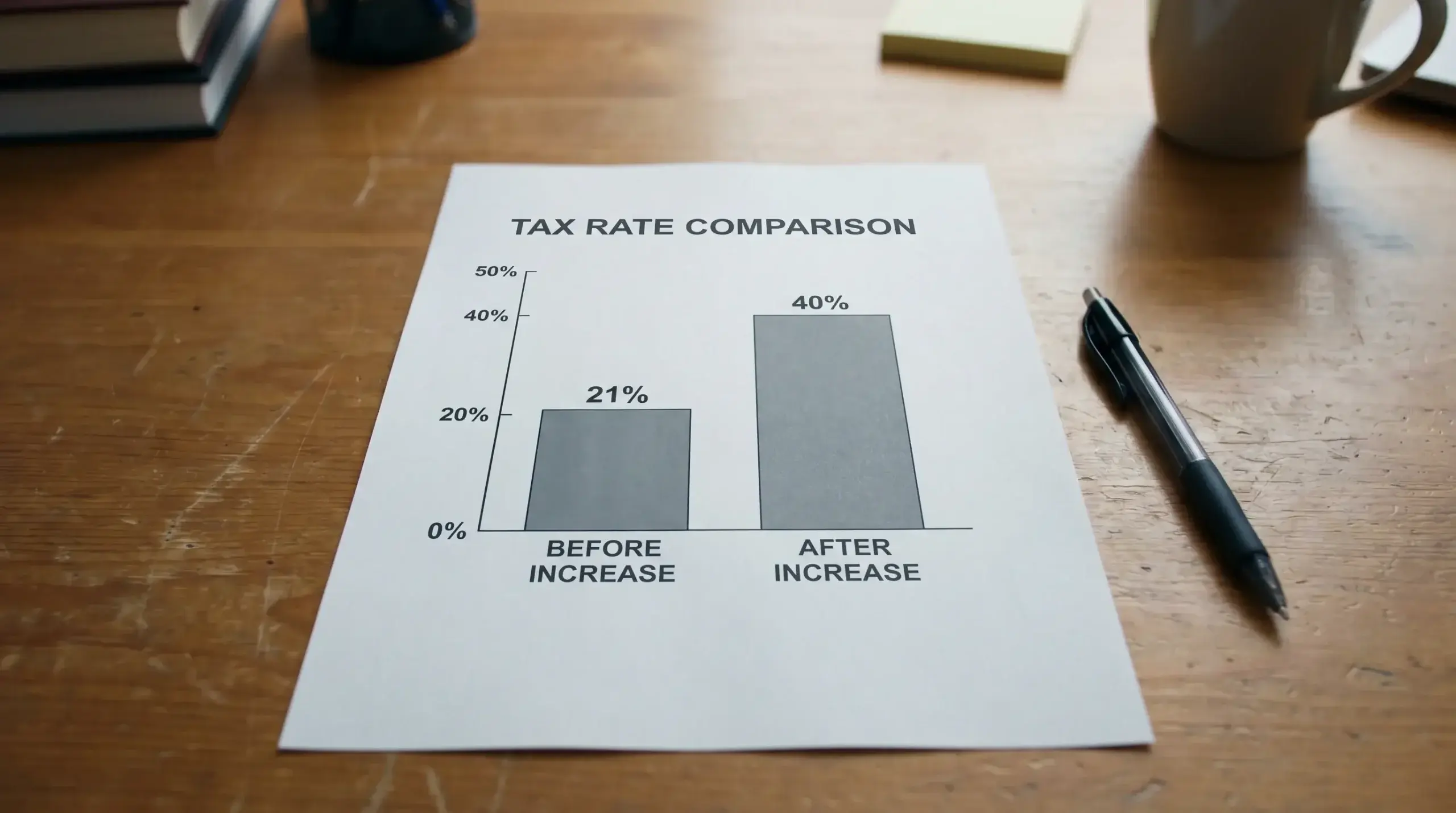
When the Autumn Budget 2025 landed, I refreshed the Treasury press release three times because the numbers didn’t seem real. Remote Gaming Duty — the tax operators pay on online gambling revenue — jumped from 21% to 40% in a single move, effective from April 2026. That’s not a tweaking of the dial. It’s the most aggressive gambling tax increase the UK industry has faced in its modern history, and its effects are rippling through every cricket market in the country.
The government also announced a new Remote Betting Duty of 25%, set to take effect from April 2027 for most remote betting activities excluding horse racing. Between these two measures, the Office for Budget Responsibility projected the Treasury will collect an additional £1.1 billion from gambling tax changes by 2029-30. Those are serious numbers, and they’ve forced the entire industry into a rapid recalibration of its financial models.
For cricket bettors, the tax increase doesn’t land on your winnings — UK bettors don’t pay tax on gambling profits. But the downstream effects on odds quality, promotional budgets, and market availability are real, and understanding them matters for anyone placing regular wagers.
From 21% to 40%: What Remote Gaming Duty Now Looks Like
Remote Gaming Duty is charged on operators’ net gaming revenue — the difference between what customers stake and what they receive in winnings. At 21%, a bookmaker generating £100 million in net revenue paid £21 million in RGD. At 40%, that same revenue generates a £40 million tax bill. The increase is not just substantial; it fundamentally alters the economics of operating a licensed online betting business in the UK.
The duty applies to all remote gambling offered to UK customers, regardless of where the operator is based. A bookmaker headquartered in Gibraltar, Malta, or the Isle of Man pays the same 40% rate on UK customer revenue as one based in London. This jurisdiction-neutral structure ensures the tax cannot be avoided through corporate relocation, but it also means the full weight of the increase falls on operator margins with no structural escape route.
The 25% Remote Betting Duty arriving in April 2027 adds another layer. This duty targets remote betting specifically — sports wagering, exchange betting, and spread betting — as distinct from online casino and gaming products. Cricket betting falls squarely within this category, which means the cumulative tax burden on cricket-specific revenue will be among the highest in the UK gambling landscape.
How Operators Are Absorbing the Hit
Entain reported a loss of £681 million after taxes for 2025, driven partly by a £488 million impairment directly linked to UK tax changes. Flutter Entertainment projected a hit to its EBITDA of $320 million in 2026, rising to $540 million in 2027 as the full effect of both duty increases takes hold. Bet365 paid £481.5 million to the UK Treasury in its most recent financial year. These are not marginal adjustments — they represent structural shifts in how the UK’s largest operators allocate capital.
Stella David, CEO of Entain, described the decision as punitive and warned it puts at risk an industry that already contributes £7 billion annually to the UK economy and supports over 100,000 jobs. The industry argument is consistent across operators: higher taxes compress margins, reduce investment in product development and responsible gambling infrastructure, and ultimately produce lower tax revenue if operators scale back their UK presence.

The practical responses from operators have included tightening promotional budgets, reducing the number of niche markets offered on smaller events, and adjusting pricing models. Cricket, as a lower-volume sport compared with football, is more vulnerable to these adjustments. A bookmaker deciding where to cut costs will look at low-liquidity cricket markets before touching Premier League football coverage.
What This Means for Cricket Bettors
Neal Menashe, CEO of Super Group (Betway), called for robust enforcement against non-paying offshore operators as an essential counterpart to the tax increase. His concern is shared across the industry: if licensed operators become less competitive, unlicensed operators become more attractive to price-sensitive bettors. That dynamic has implications for everyone.
The most visible effect for cricket bettors is marginal odds compression. When operators face higher costs, they protect their margins by widening the overround on betting markets. A match winner market that previously carried a 4% overround might now carry 5-6%. That difference sounds small, but compounded across hundreds of bets per season, it erodes returns meaningfully. Shopping across multiple bookmakers becomes more important than ever, because operators are adjusting their pricing at different speeds and to different degrees.
Promotional offers — free bets, enhanced odds, acca boosts — are also thinning. The marketing budgets that funded generous cricket promotions were built on a 21% tax environment. At 40%, those budgets contract, and the offers that remain carry tighter conditions. Expect smaller free bet values, higher wagering requirements, and more restrictive market access on cricket-specific promotions.

The Black Market Argument: Industry Warnings
Kevin Harrington, Flutter’s UKI CEO, was blunt in his assessment: the tax increases would hand a significant win to illegal, unlicensed gambling operators who become more competitive overnight, operators who don’t pay tax and don’t invest in safer gambling. The concern is that a widening price gap between licensed and unlicensed operators will push bettors toward unregulated platforms where consumer protections don’t exist.
The pattern has historical precedent. In other jurisdictions where gambling taxes rose sharply — notably parts of Europe and Australia — black market activity increased as licensed operators lost price competitiveness. Whether the UK follows the same trajectory depends on enforcement capacity. The Gambling Commission’s budget for tackling illegal gambling is constrained, and the funding gap could widen further if regulatory resources don’t keep pace with the growth in unlicensed activity.

For individual bettors, the message is practical rather than political. Unlicensed operators may offer better odds or bigger promotions, but they operate outside the framework that protects your funds, your data, and your right to fair treatment. The tax increase makes licensed betting marginally less attractive on paper, but the protections it funds remain non-negotiable. The 1-2% odds difference between a licensed and unlicensed site is never worth the risk of losing your entire balance to an operator with no regulatory accountability.