
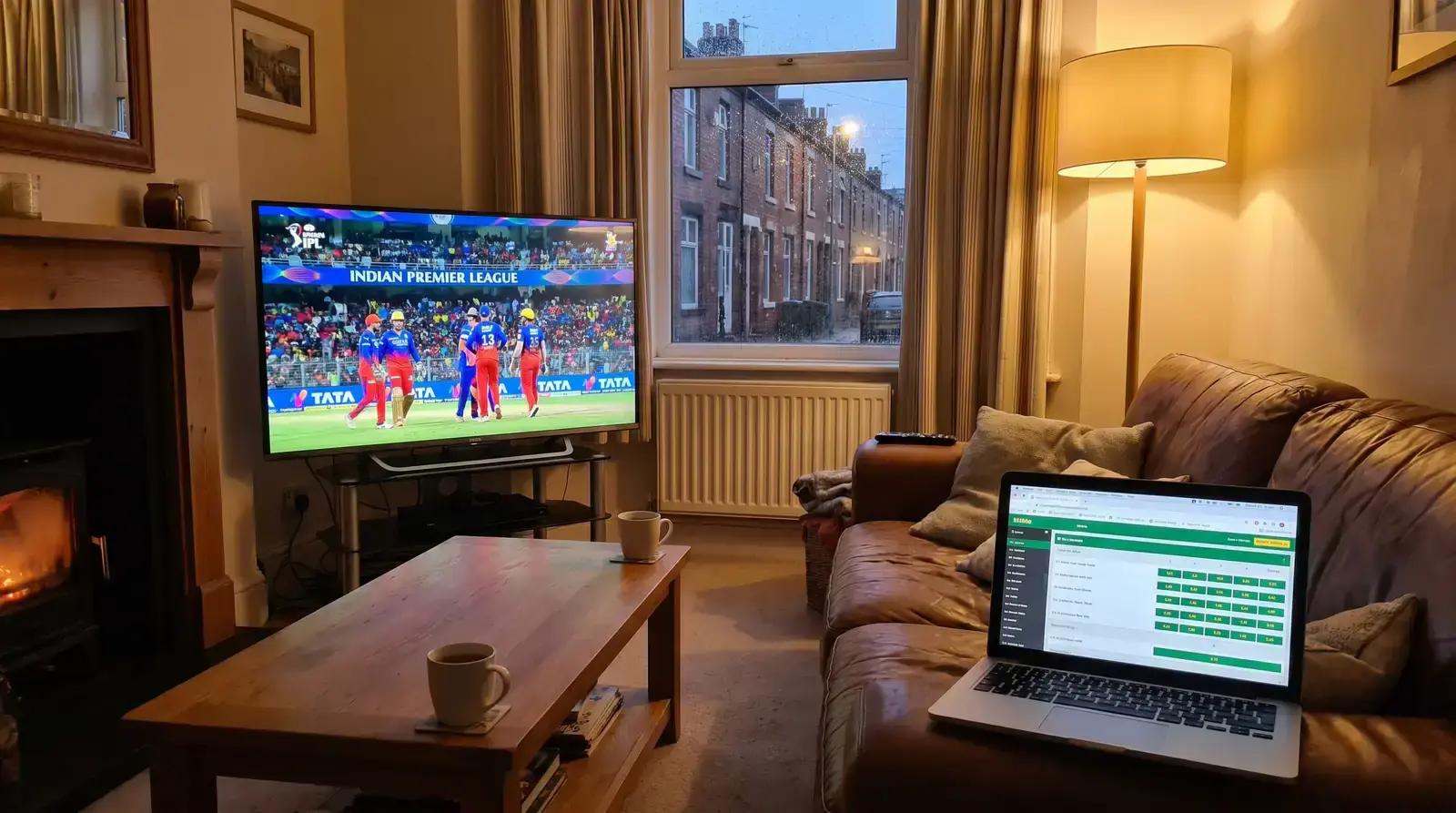

IPL From a UK Bettor’s Perspective
The first time I tried to bet on an IPL match from the UK, I nearly placed my wager on a game that had already finished. The time zone difference caught me off guard, and I realised quickly that IPL betting demands a different rhythm than anything domestic. That stumble taught me more about this tournament’s quirks than any guide ever could.
The IPL final in 2025 drew roughly 300 million television and digital viewers. Across the full season, the tournament surpassed one billion viewers and logged over 840 billion minutes of watch time globally. Those numbers make the IPL the most-watched annual cricket event on the planet, and UK bookmakers have responded by offering market depth that rivals Premier League football fixtures.
For UK bettors, the IPL represents a unique opportunity: a high-quality T20 league with extensive data, predictable scheduling, and enough matches per season to develop a genuine analytical approach. But it also comes with complications — late start times, unfamiliar venues, and squad dynamics shaped by the auction system rather than national selection.
How the IPL Tournament Works
I remember having to explain the IPL auction system to a friend who’d only ever followed county cricket. His reaction was disbelief — the idea that teams are assembled through a bidding process rather than tradition or geography felt alien. Yet that auction process is exactly what makes the IPL analytically fascinating for bettors.
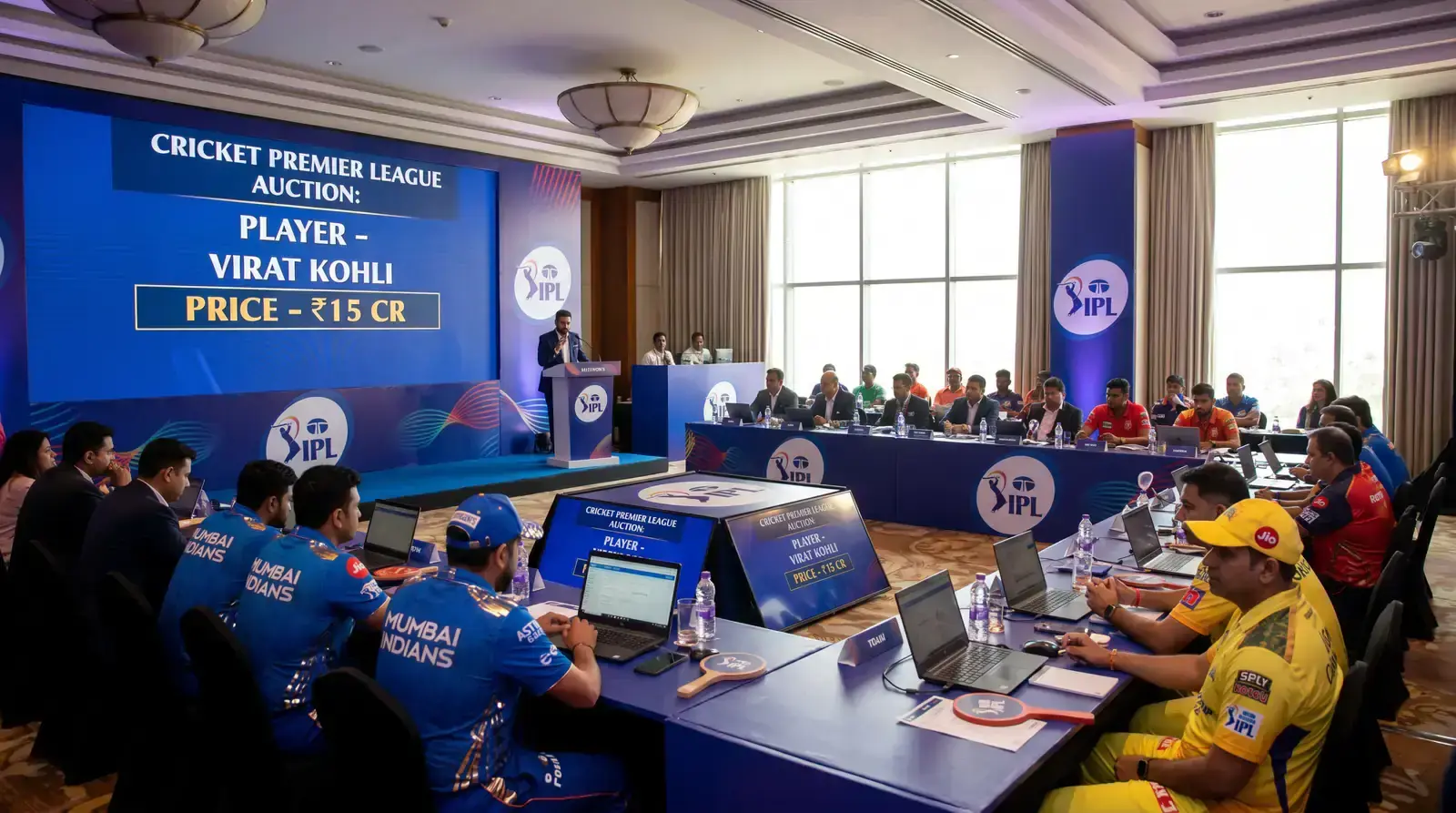
The IPL features ten franchise teams competing across a league stage, with each side playing 14 matches. The top four qualify for a playoff phase that includes two eliminators and a final. The league stage runs from late March through May, with the playoffs typically concluding by early June.
Every IPL season reshuffles squads through player auctions and trades, which means historical team performance data has limited shelf life. A franchise that dominated one season can look entirely different the next. For bettors, this creates pricing inefficiencies early in the tournament, before form data for the new squad compositions stabilises.
IPL-Specific Betting Markets
Walking through the IPL markets on a UK bookmaker’s site feels like stepping into a cricket data warehouse. Beyond the standard match winner, you’ll find tournament top run scorer, tournament top wicket taker, team to score most sixes, and highest individual score in the tournament. These are long-running markets that settle only after the final match.
Match-level markets mirror those available for domestic T20 cricket betting, but with added depth. Powerplay runs over/under, method of first dismissal, highest opening partnership, and player performance thresholds (batsman to score 25+ runs, bowler to take 2+ wickets) are all standard for IPL fixtures. Some bookmakers even offer “fall of first wicket” overs markets, asking whether the first wicket falls before or after a specific over number.
The volume of IPL data available online — ball-by-ball records going back to 2008 — gives UK bettors a research advantage that few other T20 leagues can match. Strike rates by venue, economy rates by phase of innings, and head-to-head records between specific batsmen and bowlers are all accessible and directly applicable to market pricing.

Match Times and Live Betting From the UK
Here’s the practical reality that catches many UK bettors out: IPL matches start at 15:00 IST, which translates to 10:30 BST for afternoon games. Evening fixtures begin at 19:30 IST, or 15:00 BST. Neither time slot is particularly convenient for anyone working a standard office schedule in Britain.
Live betting accounts for an estimated 55-60% of all cricket wagers in the UK, and the IPL is where that percentage climbs even higher. The fast-paced T20 format, combined with dramatic momentum swings, creates constant in-play opportunities. Odds shift with every boundary, every wicket, every dropped catch. If you can watch the match live — via a bookmaker’s stream or a subscription service — your ability to identify value in-play improves substantially.
The afternoon IPL slot actually works well for UK bettors on weekends or flexible schedules. I’ve found that Saturday afternoon IPL matches attract better liquidity in UK markets than midweek fixtures, simply because more punters are active. If you’re selective about which matches you bet on, weekends offer a better overall experience.

Key Factors for IPL Match Analysis
Venue is everything in the IPL, and I don’t say that lightly. A match at the Wankhede Stadium in Mumbai, with its flat batting deck, produces entirely different totals than a fixture at the MA Chidambaram Stadium in Chennai, where spin dominates. Knowing the ground characteristics is the single most important variable in IPL match analysis.
The toss carries more weight in the IPL than in most international cricket. Dew is a persistent factor at many Indian grounds, making the ball harder to grip and spin in the second innings of evening matches. Teams winning the toss in dew-affected venues overwhelmingly choose to field first, and the odds reflect this — but not always accurately enough.
Squad composition matters more than reputation. An overseas player returning from international duty mid-tournament can transform a side’s batting lineup overnight. Injury updates, rest rotations, and the availability of key overseas players are essential information that UK bettors need to track before placing pre-match wagers. The official IPL team announcement, usually posted 30 minutes before the toss, is the last piece of the puzzle.

Pitch behaviour changes across a season too. Early-tournament pitches tend to be fresher and more batting-friendly, while later fixtures on the same ground can produce lower-scoring affairs as surfaces wear down. I track average first-innings scores by venue across each IPL season, and the decline from the opening weeks to the playoffs is consistent enough to influence my over/under positions.
UKGC Rules for Betting on Overseas Tournaments
A question I hear repeatedly: can I legally bet on the IPL from the UK? The answer is straightforward. Any UKGC-licensed bookmaker is authorised to offer markets on overseas sporting events, including the IPL. The Gambling Act 2005 does not restrict the geography of the event — it regulates the operator offering the market.
Your protections as a UK customer remain identical whether you’re betting on a County Championship match at Trent Bridge or an IPL fixture in Bengaluru. Deposit limits, self-exclusion tools, and complaint resolution processes all apply. The UKGC licence covers the operator’s entire offering, not individual markets or tournaments.
What you should be cautious about is using non-UKGC-licensed offshore platforms that target the IPL market with aggressive promotions. These operators sit outside UK jurisdiction, which means your funds lack the regulatory protections that licensed sites provide. Stick with licensed operators and the regulatory framework works exactly as intended.