

Exchange Betting: Setting Your Own Cricket Odds
The first time I placed a lay bet on the Betfair Exchange, it felt like stepping behind the counter. For years I’d been accepting the odds bookmakers offered me. Suddenly I was setting my own price, waiting for someone else to accept it, and acting as the bookmaker on the other side of the transaction. That shift in perspective — from price taker to price maker — changed how I think about every cricket market.
Exchange betting operates on a peer-to-peer model. Instead of betting against a bookmaker, you bet against other customers. One person backs a team to win; another person lays that team, effectively betting against them. The exchange platform matches these two positions and charges a commission on the winner’s net profit. No bookmaker sets the odds — the market does.
For UK cricket bettors, Betfair’s exchange is the dominant platform. Its cricket markets cover international fixtures, major franchise leagues like the IPL and Big Bash, and some domestic competitions. The exchange model offers structural advantages over traditional bookmakers in certain situations, but it also carries limitations that aren’t immediately obvious to newcomers.
Backing and Laying: the Exchange Fundamentals
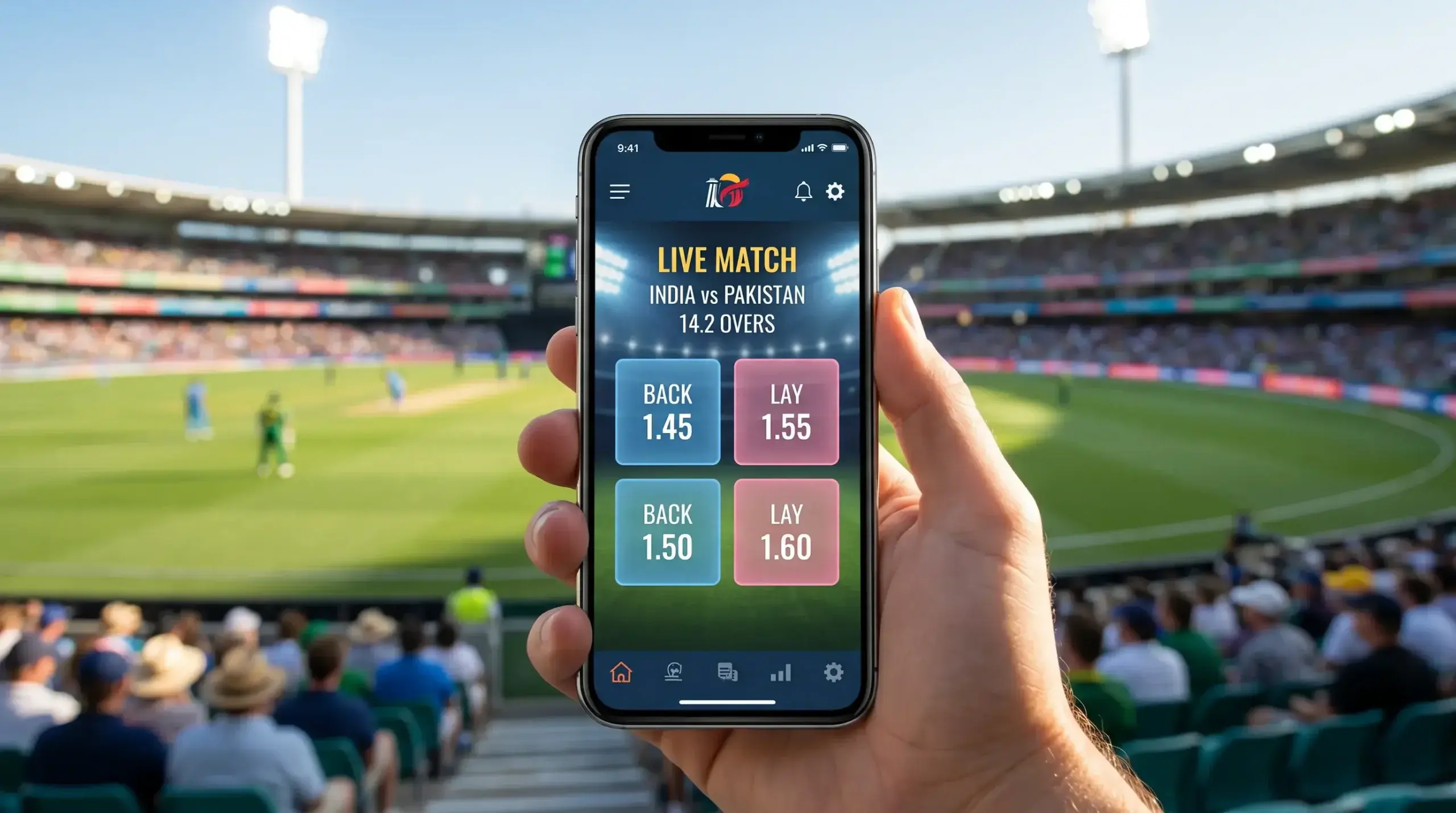
A back bet on the exchange works identically to a bet with a traditional bookmaker: you select a team, choose your stake, and profit if they win. The difference is that you’re placing the bet at a price offered by another exchange user, not by a bookmaker’s pricing algorithm. If no one is offering the price you want, your bet sits unmatched until someone takes the other side.
A lay bet is the inverse. When you lay a team, you are betting they will not win. If they lose or the match is drawn, you win the backer’s stake minus commission. If they win, you pay out the backer’s potential winnings. The liability on a lay bet can be substantial — laying a team at 5.00 for a £10 back stake means your liability is £40 (the backer wins £40 profit, which you pay). Understanding your liability before placing a lay bet is essential.
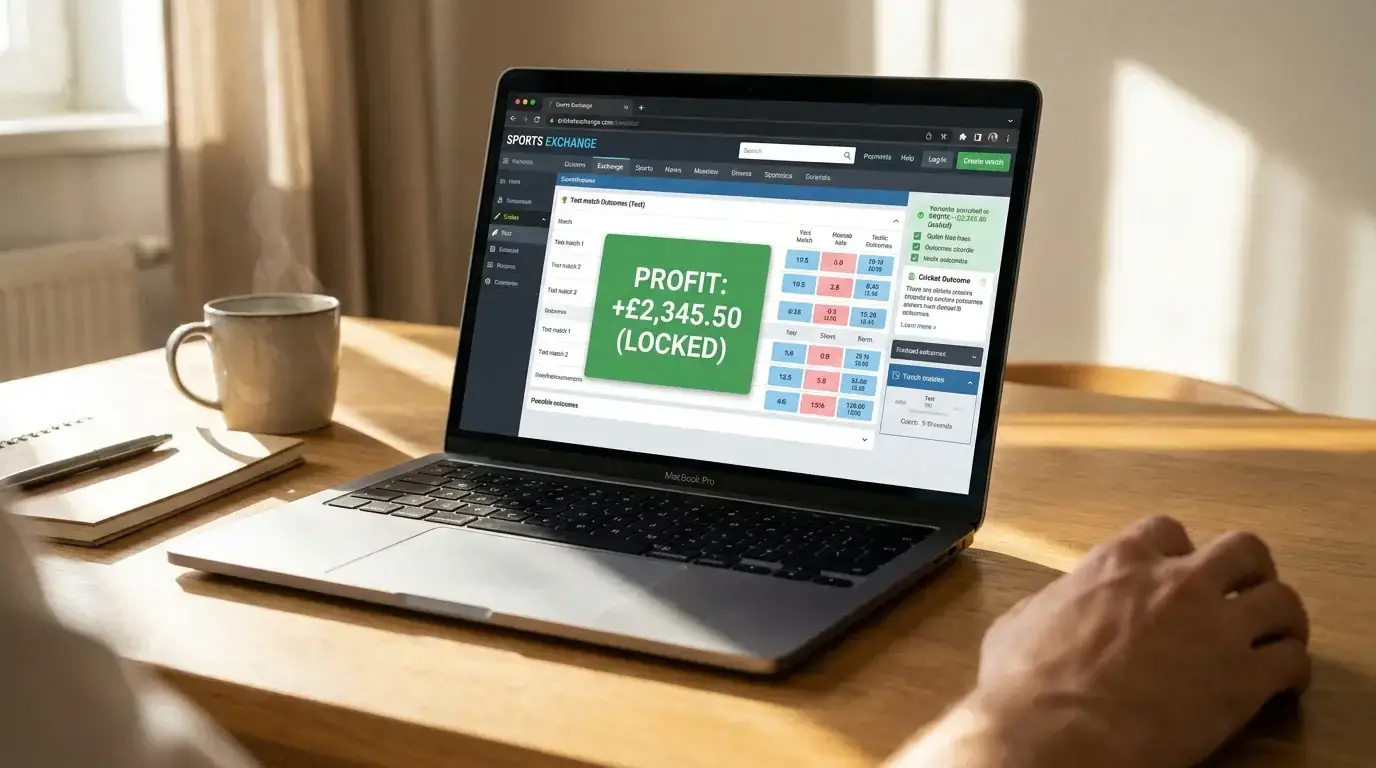
The combination of backing and laying creates the possibility of trading: backing at a high price and then laying at a lower price to lock in a guaranteed profit regardless of the result. This is how professional exchange bettors operate — they trade positions during a match as odds fluctuate, extracting profit from the movement itself rather than from predicting the final result. It’s closer to financial trading than traditional gambling.
Commission Structure and Net Margins
Betfair charges commission on net winning profits, typically starting at 5% for standard accounts. Frequent traders can negotiate lower commission rates through loyalty programmes. The commission applies only to profits — if you back a team and they lose, you pay no commission on that bet. Commission is calculated on your net profit per market, not per individual bet.
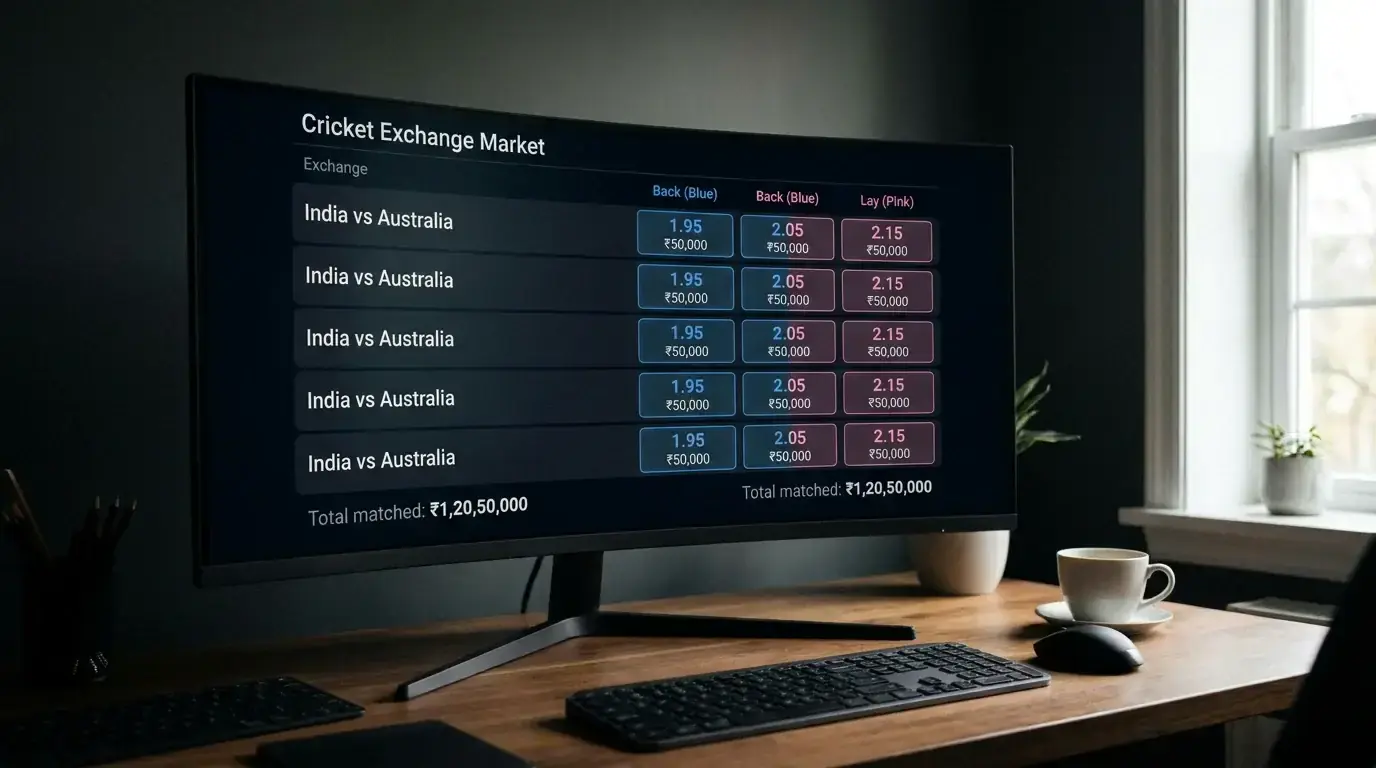
When you compare exchange odds with bookmaker odds, you need to factor in the commission. An exchange price of 2.00 at 5% commission delivers an effective price of 1.95 after commission is deducted from your profit. That 1.95 might still beat the bookmaker’s price of 1.85 on the same outcome, but the commission narrows the gap. I always calculate the post-commission effective odds before deciding whether the exchange or a bookmaker offers better value for a specific bet.

The net margin on an exchange is structurally lower than a bookmaker’s overround. A typical exchange cricket market carries an implied margin of 1-3%, compared with 4-8% at a bookmaker. This tighter margin means exchange bettors get closer to “true” odds on average, which is a significant long-term advantage for disciplined bettors who are consistently placing value bets.
Liquidity for Cricket Markets on Betfair
The UK cricket betting market generates approximately £52 million annually, but exchange liquidity for cricket is concentrated on a narrow range of fixtures. High-profile matches — England internationals, IPL, major T20 leagues, and The Ashes — attract deep liquidity with tens of thousands of pounds matched per market. Lower-profile fixtures — County Championship, bilateral ODI series between non-England teams, domestic women’s cricket — have thin or non-existent liquidity.
Low liquidity creates two problems. First, you may not be able to get your bet matched at a reasonable price because there aren’t enough participants on the other side. Second, large bets in illiquid markets move the price against you, which is the exchange equivalent of “market impact” in financial trading. I limit my exchange cricket betting to matches where the total matched volume exceeds £50,000, which ensures my bets are matched quickly without distorting the market.

Live betting represents roughly 55-60% of all cricket wagers in the UK, and exchange in-play markets are where liquidity is often deepest. During a live T20 match, the exchange match winner market can see hundreds of thousands of pounds matched as odds swing with every boundary and wicket. This in-play liquidity creates a trading environment that doesn’t exist pre-match for most cricket fixtures.
Trading Positions vs Traditional Betting
Traditional betting is a binary outcome: you win or you lose. Exchange trading is a spectrum: you can win, lose, break even, or lock in a partial profit at any point during the match. This flexibility is the exchange’s greatest advantage for experienced bettors who are comfortable managing positions in real time.
A common trading strategy in cricket is to back a team pre-match at a higher price and lay them in-play at a lower price after they’ve gained an advantage. If England are 3.00 pre-match and then win the toss and bat well in the first session, their in-play price might drop to 2.00. By laying at 2.00, you lock in a profit regardless of the final result. The profit is smaller than if England had gone on to win, but it’s guaranteed — and guaranteed profit from a position that required no prediction of the final result is the exchange’s core appeal.
The discipline required for exchange trading is higher than for traditional betting. You need to set entry prices, exit prices, stop-loss points, and position sizes before the match starts. You need to resist the temptation to hold a position “because it feels right” when the numbers say you should exit. In my experience, the bettors who struggle most on the exchange are those who treat it like a traditional bookmaker — placing bets and hoping for the best rather than managing positions with predefined rules.