


Beyond Match Winner: the Full Range of Cricket Betting Markets
I spent my first year of cricket betting doing nothing but backing match winners. It felt safe, familiar, almost like supporting a team. Then one rainy afternoon at Headingley, with the draw looking inevitable, I realised I’d left money on the table across half a dozen markets I hadn’t even explored. That day changed the way I think about cricket wagering.
The UK cricket betting market generates roughly £52 million a year, a 2.2% slice of the broader £2.37 billion online sports betting sector. Those numbers might seem modest next to football, but the depth of markets available on a single cricket match is staggering. A high-profile T20 fixture can have over 80 individual betting options, from the obvious match winner right down to how a specific batsman will get out. Most bettors never scroll past the first three.
This guide walks through every market type UK bookmakers offer for cricket, explains how each one is settled, and highlights where formats like Test, ODI, T20, and The Hundred create distinct opportunities. If you’ve been sticking to one market, you’re about to discover why the rest of the card matters.
Match Winner and Match Result Markets
Match winner is the market everyone starts with, and for good reason — it’s the simplest bet in cricket. You pick which team wins. In limited-overs formats, that’s a binary choice: Team A or Team B. In Test cricket, the draw enters as a third option, which changes the dynamics entirely.

Most UK bookmakers list this as “match result” for Tests and “match winner” for white-ball fixtures. Settlement is straightforward: the team that finishes with the winning result is the winner. If a match is abandoned without a result, bets are typically voided. In ODIs shortened by rain and decided via the Duckworth-Lewis-Stern method, your bet still stands because an official result has been declared.
Match winner is also where you’ll find the tightest bookmaker margins. Because it’s the highest-volume market, competition between operators compresses the overround. For a two-way T20 market, you’ll often see an overround below 5%, compared with 8-12% on niche player markets. That makes it a natural starting point for bettors who want the best implied value from odds.
One thing I’ve noticed after years of placing match winner bets: the market moves fast once the toss happens. A side winning the toss and choosing to bat on a flat deck can see its odds shorten by 15-20% in minutes, so timing matters here more than most people realise.
Total Runs, Over/Under and Innings Runs
Runs markets are where cricket betting gets interesting if you know the conditions. Over/under total runs asks whether the combined runs in a match or innings will finish above or below a set line. For a T20 match on a batting-friendly ground, that line might sit at 340.5 total runs. For a Test match innings, it could be 275.5.
The key distinction is between match runs and innings runs. Match runs cover the entire fixture — all innings combined. Innings runs focus on a single innings, making them popular for first-innings bets where pitch behaviour is easier to predict. Some bookmakers also offer “runs in the first six overs” or “runs scored in the powerplay,” which are essentially micro over/under markets within the broader match.
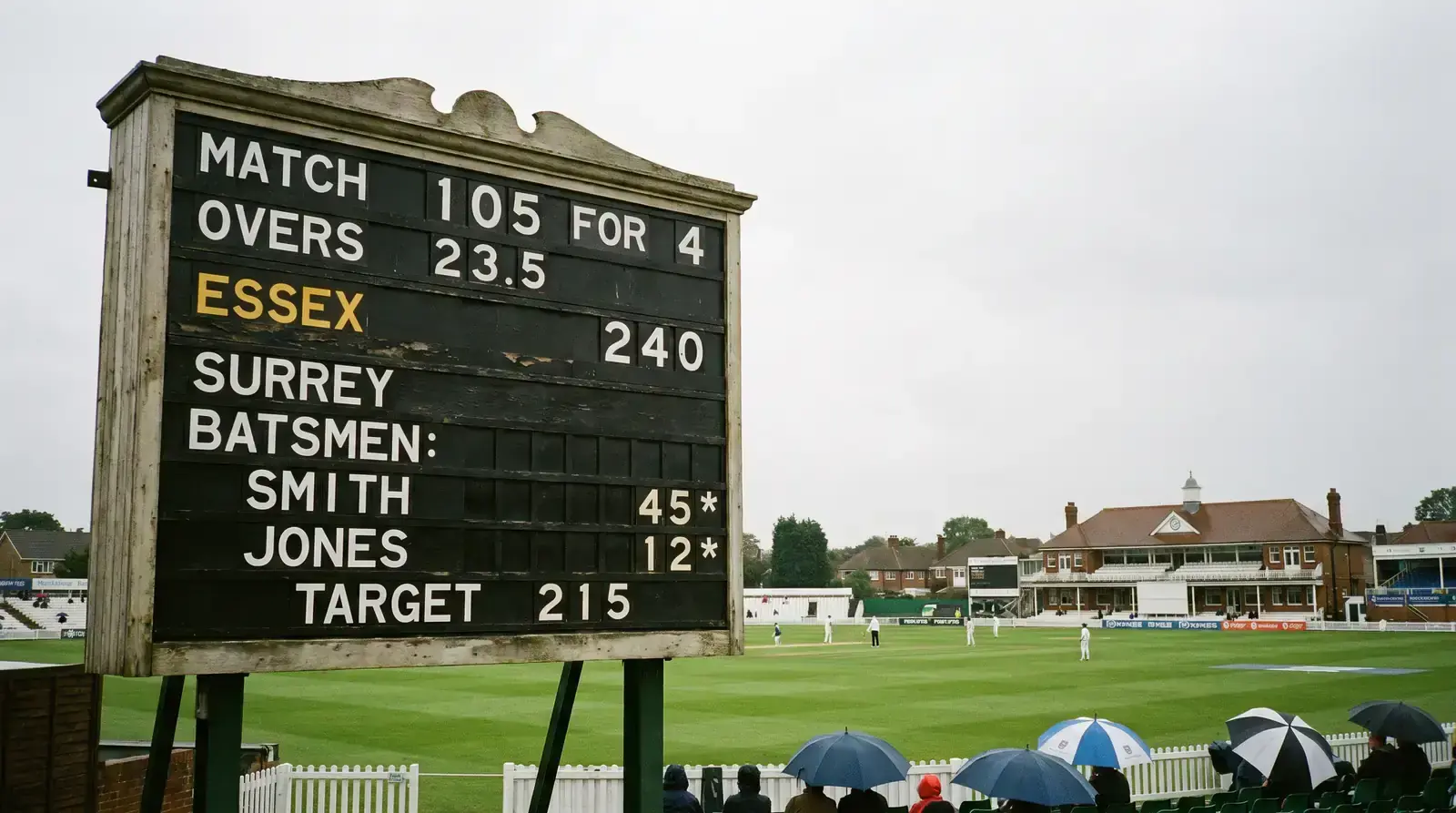
I find innings runs particularly useful in Test cricket. The pitch tells a story over five days: day one usually favours batting, days three and four often reward spin. If I can see a pitch report suggesting a crumbling surface, an under bet on a fourth-innings total becomes a calculated position rather than a coin flip. Conditions drive these markets far more than team strength alone.
Top Batsman, Top Bowler and Player Performance
Player markets shift the focus from teams to individuals, and that’s where I started finding edges I couldn’t find elsewhere. Top batsman betting asks which player will score the most runs in a match or innings. Top bowler asks who will take the most wickets. Both are settled on the final scorecard, with dead-heat rules applying when two or more players tie.
What makes these markets rewarding is that they reward cricket knowledge over raw statistics. A top batsman bet isn’t just about picking the highest-rated batter in the squad — it’s about knowing who bats at a position that gives them the longest exposure, who’s in form, and who thrives on that particular surface. An opener on a flat track has more balls to face and more opportunity to accumulate runs than a middle-order player coming in at 180-3.
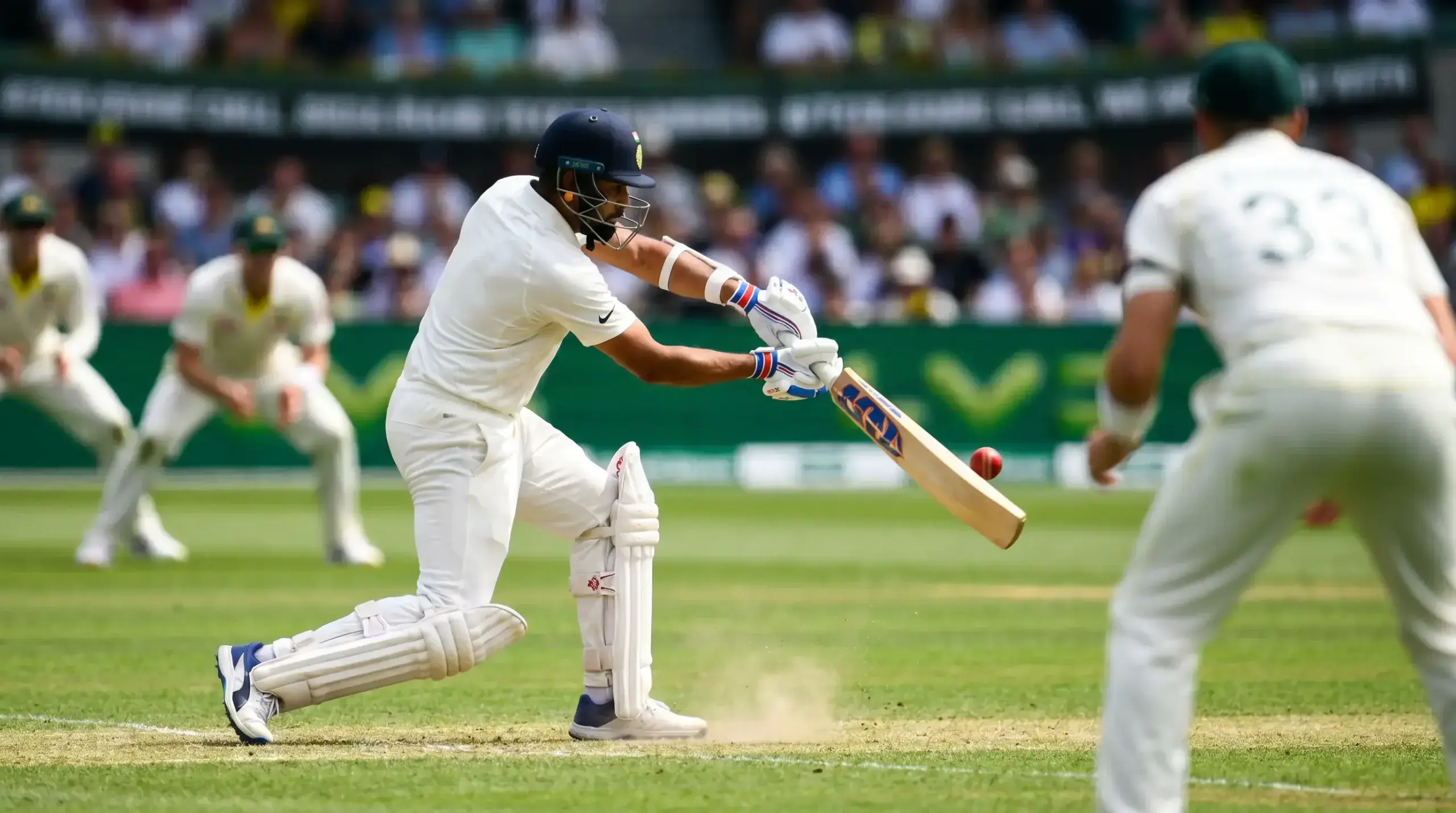
Player performance markets have expanded significantly. You can now bet on a named batsman to score over 30.5 runs, or a bowler to take over 1.5 wickets. These thresholds create a different kind of analysis: instead of asking “who’s best,” you’re asking “will this player meet this benchmark?” That distinction matters, and it’s one reason player markets attract serious punters who do their homework.
Specials: Dismissal Method, Man of the Match and More
Specials markets are the quirky corner of cricket betting, and honestly, some of my most enjoyable wins have come from this category. Dismissal method betting lets you wager on how a batsman will get out — caught, bowled, LBW, run out, stumped. Each dismissal type carries different odds depending on the format, conditions, and bowling attack.
Man of the match is another specials market that’s grown in popularity. It’s inherently unpredictable because MOTM is a subjective award, usually decided by a panel or commentator. That subjectivity creates wider margins, but it also means the odds don’t always reflect reality. All-rounders who contribute with both bat and ball tend to receive the award disproportionately, which is a pattern worth remembering.
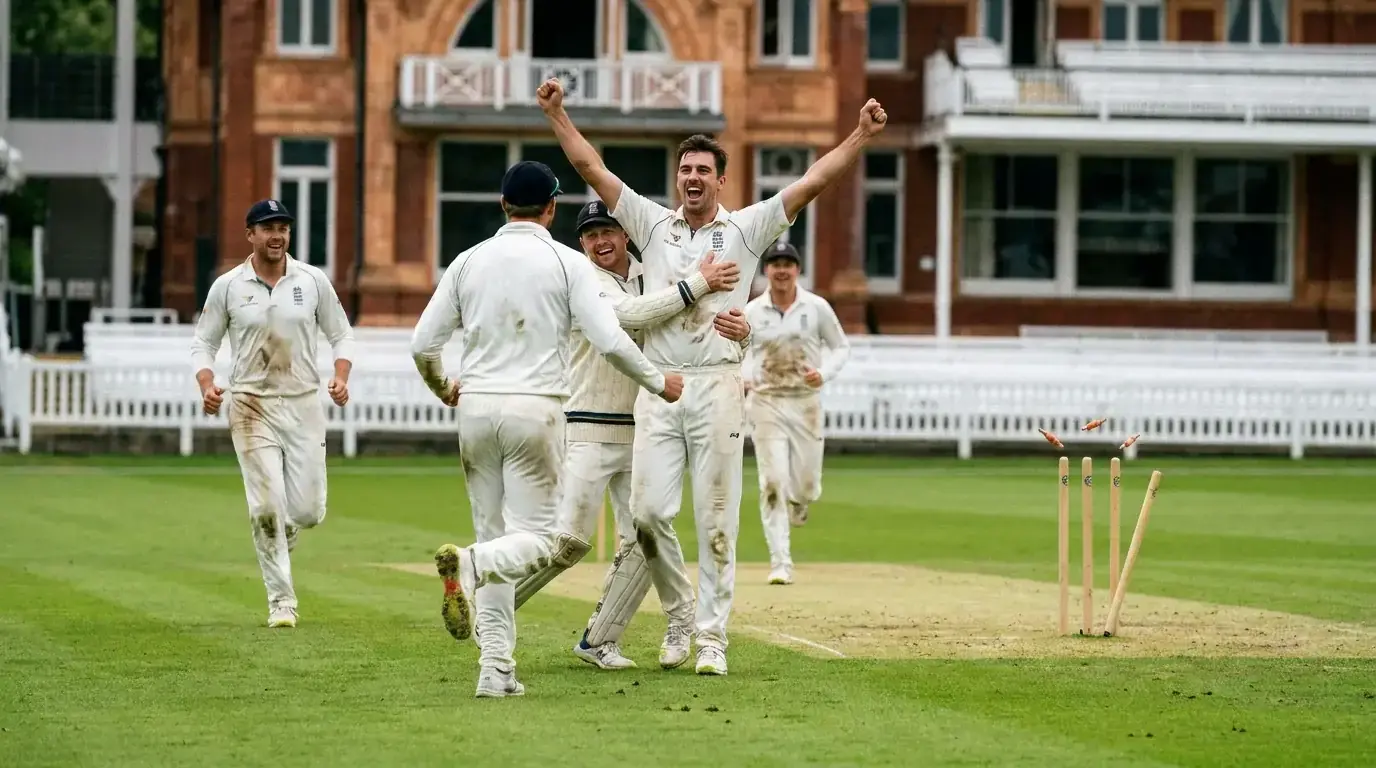
Other specials include method of first dismissal, highest opening partnership, most sixes in the match, and even whether a super over will be needed. These markets carry higher margins, but they also reward bettors who study the finer details of a fixture.
Outright and Futures Markets
Outright and futures markets take a longer view. Instead of betting on a single match, you’re backing a team to win an entire tournament or series. The Cricket World Cup, the IPL, The Ashes, The Hundred — all have outright winner markets that open weeks or even months before the first ball.
Ante-post betting — placing your wager before the competition starts — is where the biggest prices live. I backed England at generous odds for a home Ashes series once, months before the squad was announced. The odds shortened dramatically as the series approached, and even though the bet didn’t land, the value at the point of entry was undeniable. Timing is everything with outrights.

Each-way outright betting is also available for larger tournaments. You back a team to win or finish in the top two, three, or four, depending on the terms. It’s a way to reduce risk on longer-shot selections while still capturing meaningful returns if your pick reaches the latter stages.
Matching Markets to Your Knowledge and Format
Live betting accounts for roughly 55-60% of all cricket wagers placed in the UK. That statistic alone tells you which direction the market is heading. But not every market suits every bettor, and not every format rewards the same approach.
If you follow cricket closely and watch full matches, in-play markets and player performance bets will reward your attention. You’ll spot momentum shifts, bowling changes, and field settings that influence outcomes in real time. If you’re more of a pre-match analyst — someone who studies pitch reports, head-to-head records, and team news — match winner and over/under markets give you a structured framework to work with.
T20 favours markets with fast settlement: runs in the powerplay, top batsman, method of first dismissal. Test cricket rewards patience: session runs, draw odds, and outright series winner. The Hundred, with its unique 100-ball format and rapid pace, sits somewhere in between, blending T20’s speed with tactical quirks that create pricing inefficiencies bookmakers are still learning to handle.
The worst thing a bettor can do is spread across every market on a card without understanding how each one is settled. Pick two or three market types, learn their settlement rules, study the data that influences them, and build from there. Depth beats breadth in cricket betting every time.