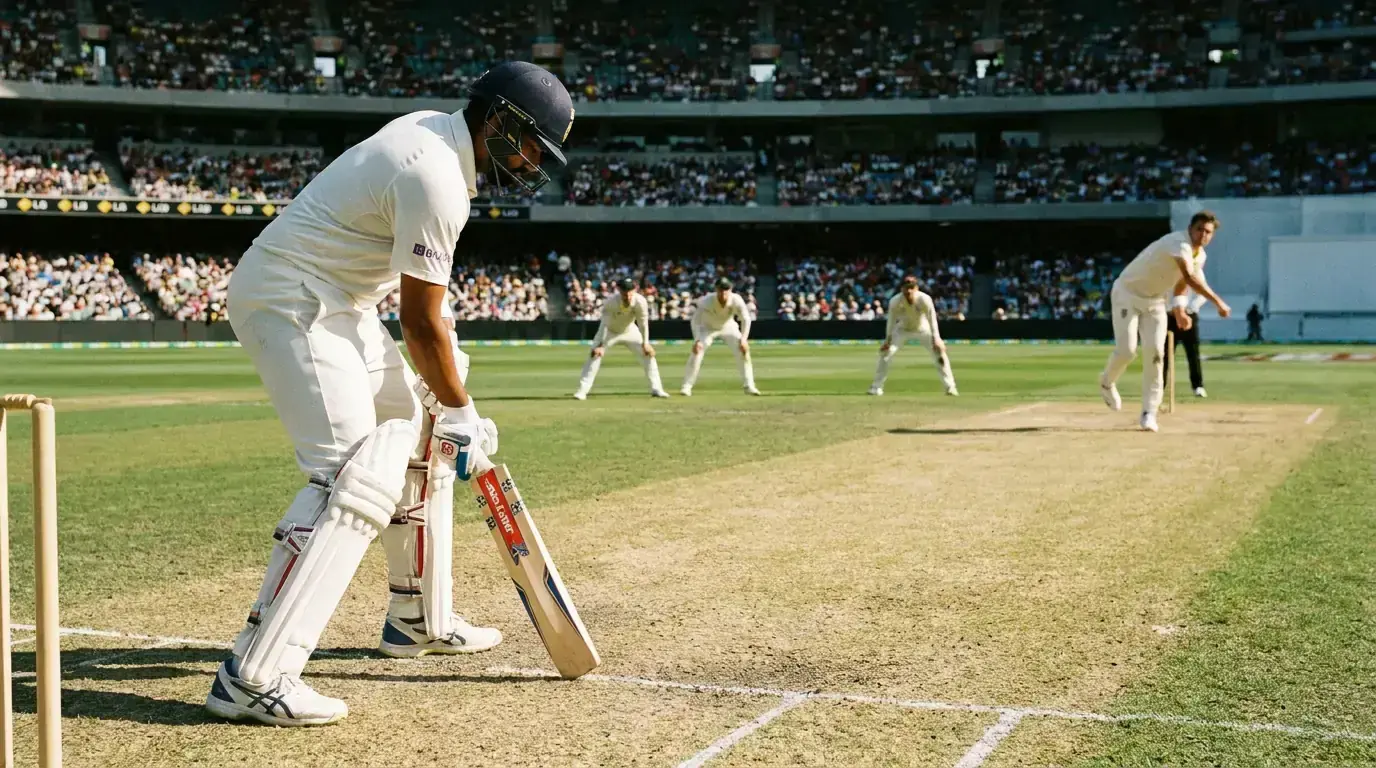
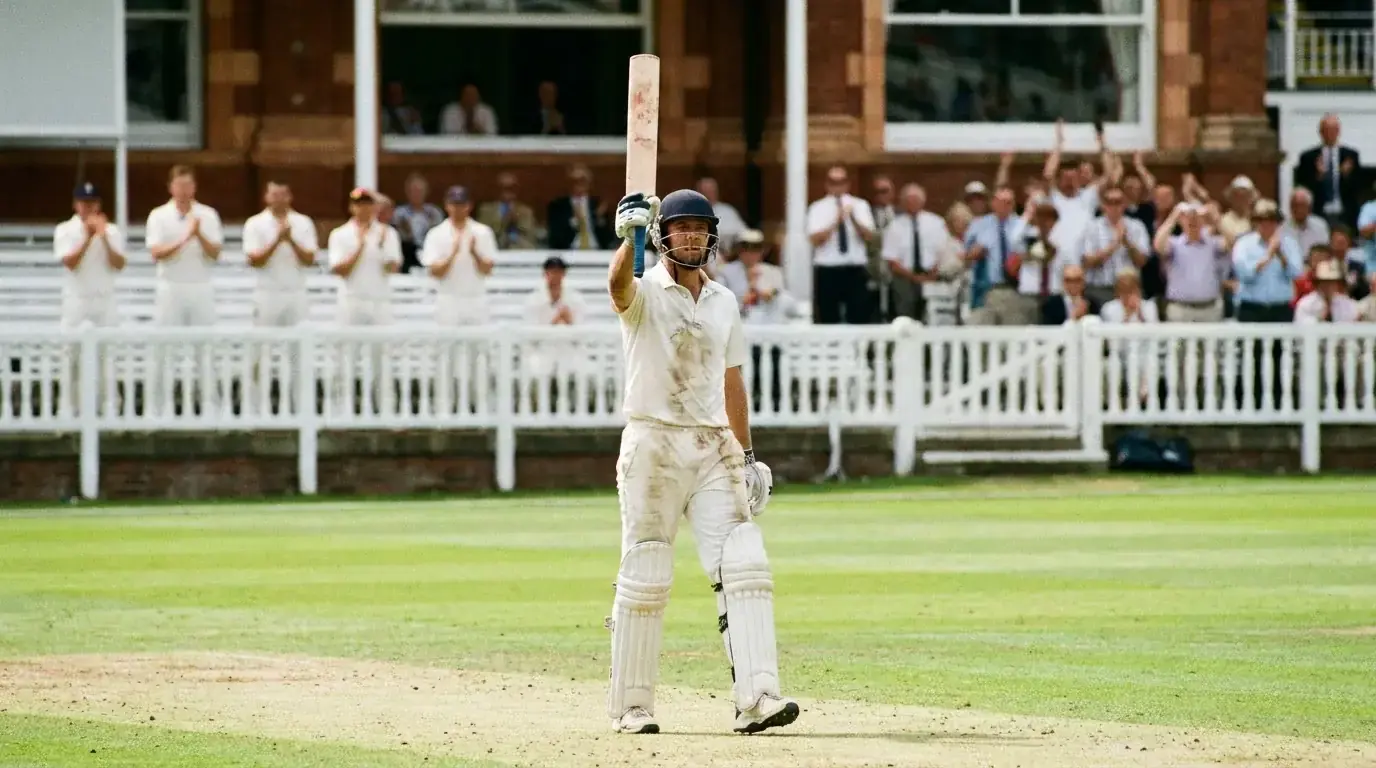

Top Batsman Betting: the Most Popular Cricket Player Market
I backed a number seven batsman as top scorer in a County Championship match a few years ago. He came in with the team at 45-5, the pitch misbehaving, and everyone expected a collapse. He scored 87 not out while nobody else passed 25. The odds had been 14/1, and that single bet remains my best return in player markets. It also taught me the most important lesson in top batsman betting: context matters more than reputation.
Top batsman is the most widely traded cricket player market. It asks a simple question — which player will score the most runs in a given innings or match? The answer depends on batting position, conditions, bowling matchups, and recent form, but the market prices primarily reflect career averages and name recognition. That gap between what the market prices and what the match conditions suggest is where value lives.
Player markets now account for a growing share of cricket wagering. The rise of bet builders, which frequently include player performance legs, has pulled more attention toward individual markets. Understanding how top batsman is settled, what drives the odds, and where the inefficiencies lie is essential if you’re moving beyond simple match winner bets.
How Top Batsman Markets Are Settled
Settlement rules vary between bookmakers, and the differences matter. Most operators settle top batsman on the player who scores the most runs in a specified innings. If the market covers the entire match — both innings for each team in a Test, or both innings in a limited-overs fixture — the highest individual score across all innings determines the winner.
A batsman who does not bat is typically voided from the market, and stakes on that player are returned. If a batsman retires hurt having faced at least one ball, they’re settled based on the runs scored before retirement. These edge cases sound trivial until they happen on your bet — and they happen more often than you’d expect in international cricket where squad rotation and injury are constant factors.

Dead-heat rules apply when two or more players tie on the same score. Your payout is divided by the number of players who tied. If you backed a player at 5.00 and two batsmen tie for top scorer, your effective odds become 2.50. Dead heats are more common in T20 cricket, where scoring tends to cluster in tighter ranges, than in Test cricket where innings scores are more dispersed.
Factors That Influence Top Batsman Odds
Batting position is the single most important variable, and it’s the one most casual bettors overlook. An opener faces the new ball when the pitch is at its freshest, but also gets the most balls to face. In Test cricket, openers and number three batsmen score the highest proportion of team runs, which is why they dominate top batsman markets. In T20, the dynamic shifts: top-order batsmen who bat through the innings have the exposure advantage, but lower-order power hitters can outscore them in a fifteen-ball cameo.
Conditions drive top batsman outcomes more than career averages suggest. A player who averages 45 across all conditions might average 60 on flat pitches and 25 on seaming surfaces. Matching the player’s strengths to the pitch and weather conditions on the day of the match is where serious analysis begins. I build a conditions-adjusted average for each player before assessing the odds, and the adjusted figure often diverges significantly from the headline career average.
Bowling matchups matter too. A batsman facing a bowling attack with no quality spinner on a turning pitch has a structural advantage over one facing a well-balanced attack. Similarly, a left-handed opener against a right-arm seam attack that rarely troubles left-handers becomes a stronger top batsman proposition. These matchup details rarely show up in the odds until the team sheets are released, which creates a pre-match window where informed bettors can find prices that haven’t adjusted to the actual playing conditions.
Top Batsman in Test vs T20 vs ODI
Live betting accounts for roughly 55-60% of all cricket wagers in the UK, but top batsman is predominantly a pre-match market. The odds shorten dramatically once a player starts scoring, which means in-play top batsman bets offer little value unless you’re catching a player at a favourable point — say, after a slow start when the odds have drifted but the batsman hasn’t been dismissed.
In Test cricket, top batsman markets reward patience and consistency. A batsman who grinds out a century over five hours will outscore the dasher who makes 40 off 30 balls but gets caught at point. The ideal top batsman selection in a Test is a player who bats in the top four, is known for long innings, and faces conditions that suit their technique — particularly relevant when comparing top bowler markets that operate on very different dynamics.
T20 top batsman is more volatile and harder to predict. Innings are shorter, boundary hitting is more influential, and a single dropped catch can be the difference between a 20-ball duck and a match-winning knock. I approach T20 top batsman markets with smaller stakes and longer odds, accepting the higher variance in exchange for larger payouts when the analysis connects. ODI top batsman sits between the two: less volatile than T20, less predictable than Test, and heavily influenced by batting position and whether a team bats first or second.
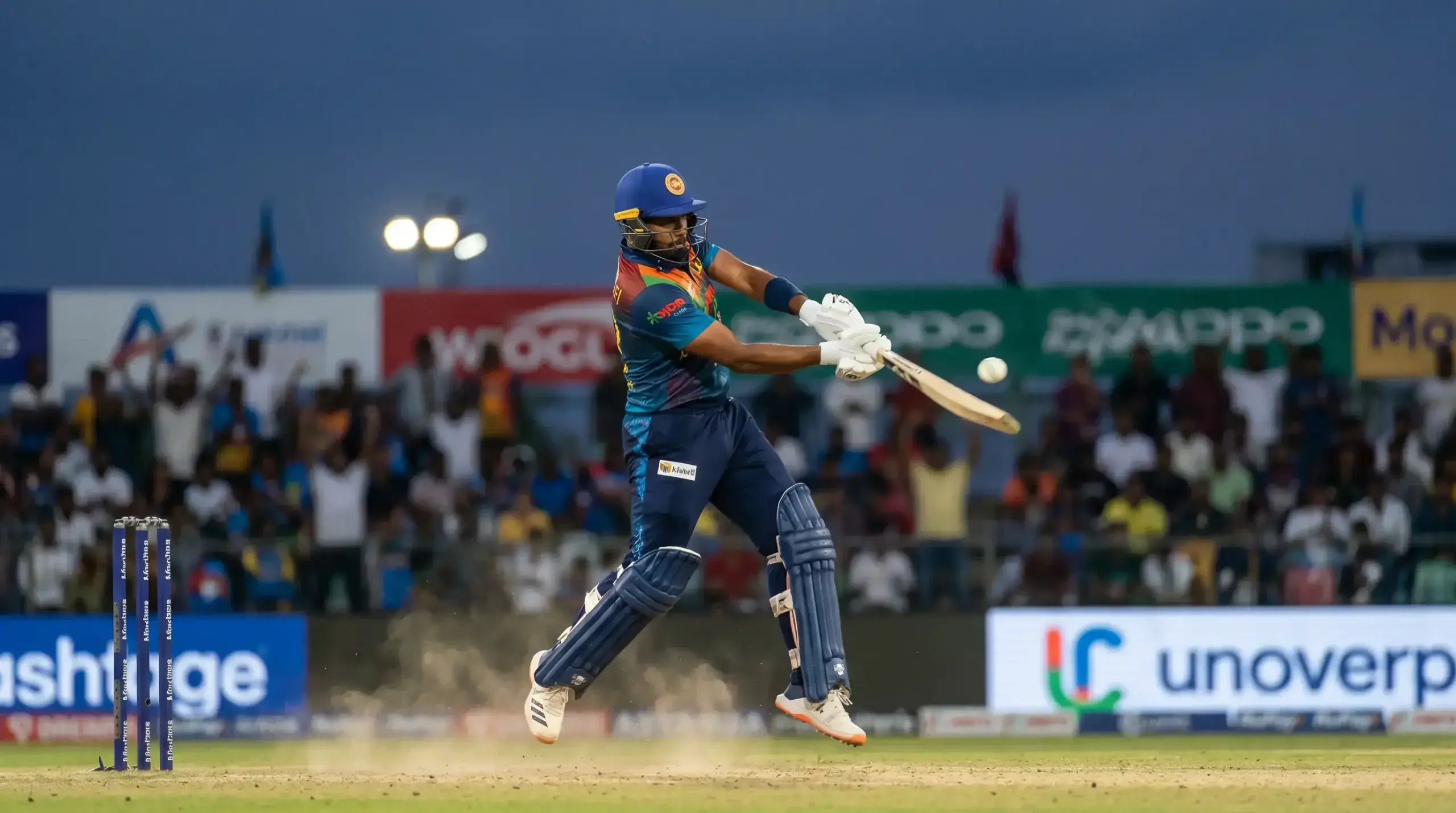
Dead-Heat Rules and Tied Scores
About 7% of British sports bettors place cricket wagers, and many of those who venture into player markets encounter dead-heat settlement for the first time without fully understanding how it works. In a dead heat between two players, your bet is settled at half the original odds. Between three players, at one-third. The stake applied to the bet remains unchanged; only the odds are reduced.
Dead heats are most likely when the top-scoring batsman makes a relatively modest total. In a T20 match where no batsman passes 45, the chances of two players tying on 38 or 42 are meaningful. In a Test match where the top scorer makes 130, a dead heat is extremely unlikely. I factor dead-heat probability into my selection process by favoring players I expect to outscore the field by a clear margin rather than edge it by a run or two.
Some bookmakers offer “top batsman without” markets, which exclude one or two obvious favourites. These derivative markets can offer better value because the compressed field reduces dead-heat risk and creates opportunities for batsmen who would otherwise be priced behind the favourite.