


Dismissal Method Betting: a Cricket-Specific Specials Market
I was watching a Test at Headingley when a tailender top-edged a pull shot straight to fine leg. I’d backed “caught” as the method of first dismissal at 1.50, and it landed within ten minutes of play. The bet felt almost too easy — but that’s the thing about dismissal method betting. When you understand the conditions, the bowling attack, and the batsman’s tendencies, the probabilities become surprisingly readable. It’s one of cricket’s most analytical specials markets, and most bettors walk right past it.
Dismissal method betting asks you to predict how a specific batsman will get out, or how the first (or next) wicket in the match will fall. The main dismissal methods are caught, bowled, LBW (leg before wicket), run out, and stumped. Each carries different odds that reflect its statistical frequency, and those odds shift based on format, conditions, and the bowling attack.
This market exists only in cricket. No other sport offers a comparable bet on the mechanism of a specific event — it’s like betting on whether a football goal will be a header, a volley, or a tap-in, except with decades of statistical data to anchor your analysis.
The Main Dismissal Methods and Their Odds Profiles
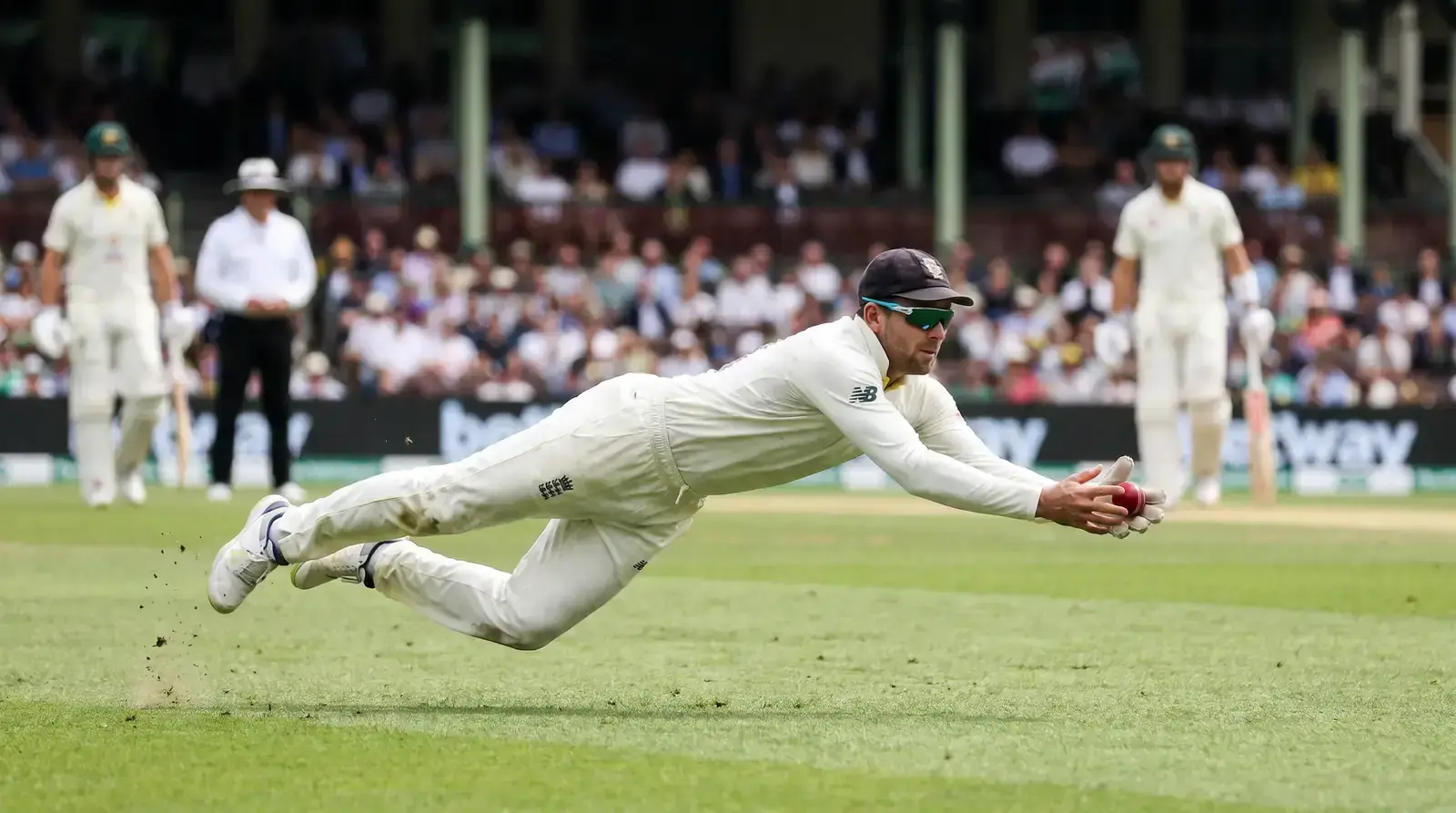
Caught is by far the most common dismissal in all formats of cricket. Across professional cricket, caught dismissals account for roughly 55-65% of all wickets, depending on the format. Odds on “caught” for method of first dismissal typically range from 1.40 to 1.70 — short, but reflecting genuine probability. Caught includes caught behind by the wicketkeeper, slip catches, and outfield catches.
Bowled — the ball hitting the stumps directly — is the second most common method, accounting for approximately 15-20% of dismissals. LBW sits in a similar range, though its frequency varies more dramatically by conditions. On pitches with low bounce and late movement, LBW rates climb. On bouncy pitches where the ball passes over the stumps, LBW rates drop. Odds on bowled and LBW typically range from 4.00 to 7.00.
Run out is less common and harder to predict, making it a longer-odds proposition at 10.00 to 20.00. Stumped — the wicketkeeper removing the bails while the batsman is out of their crease — is primarily a spin-bowling dismissal and occurs far more frequently on subcontinental pitches. Other methods like hit wicket, handled the ball, and obstructing the field are so rare that most bookmakers don’t offer them as individual options.
How Dismissal Patterns Differ by Format
The UK cricket betting market generates roughly £52 million annually, and dismissal method sits within the specials category that accounts for a growing share of that figure. Format differences drive meaningful variation in dismissal probabilities, and about 7% of British sports bettors wager on cricket — those who explore this market tend to be among the more analytically minded.
In T20 cricket, caught dismissals are even more dominant than in longer formats because batsmen play more aggressive shots, increasing the likelihood of mistimed hits finding fielders. The rate of bowled dismissals is slightly lower because T20 bowlers often focus on containing runs rather than attacking the stumps. LBW is less common because batsmen move around the crease more in T20, making it harder for bowlers to pin them in front.
In Test cricket, the distribution is more balanced. Caught remains the most common, but bowled and LBW rates are higher because batsmen spend longer at the crease and face more deliveries that test their technique. On turning pitches, stumped rates increase as batsmen step out to spin bowlers and miss. I track dismissal distributions by format and ground, and the venue-specific data often diverges meaningfully from format-wide averages.

Pitch and Bowling Style as Dismissal Indicators
A green, seaming pitch in English conditions favours caught dismissals — specifically catches behind the wicket to the keeper and slip cordon. The ball moves off the surface, finds the edge, and carries to the fielders positioned specifically for that type of dismissal. On these pitches, backing “caught” as method of first dismissal at odds of 1.50-1.60 can represent genuine value if you believe the conditions are more extreme than the odds imply.
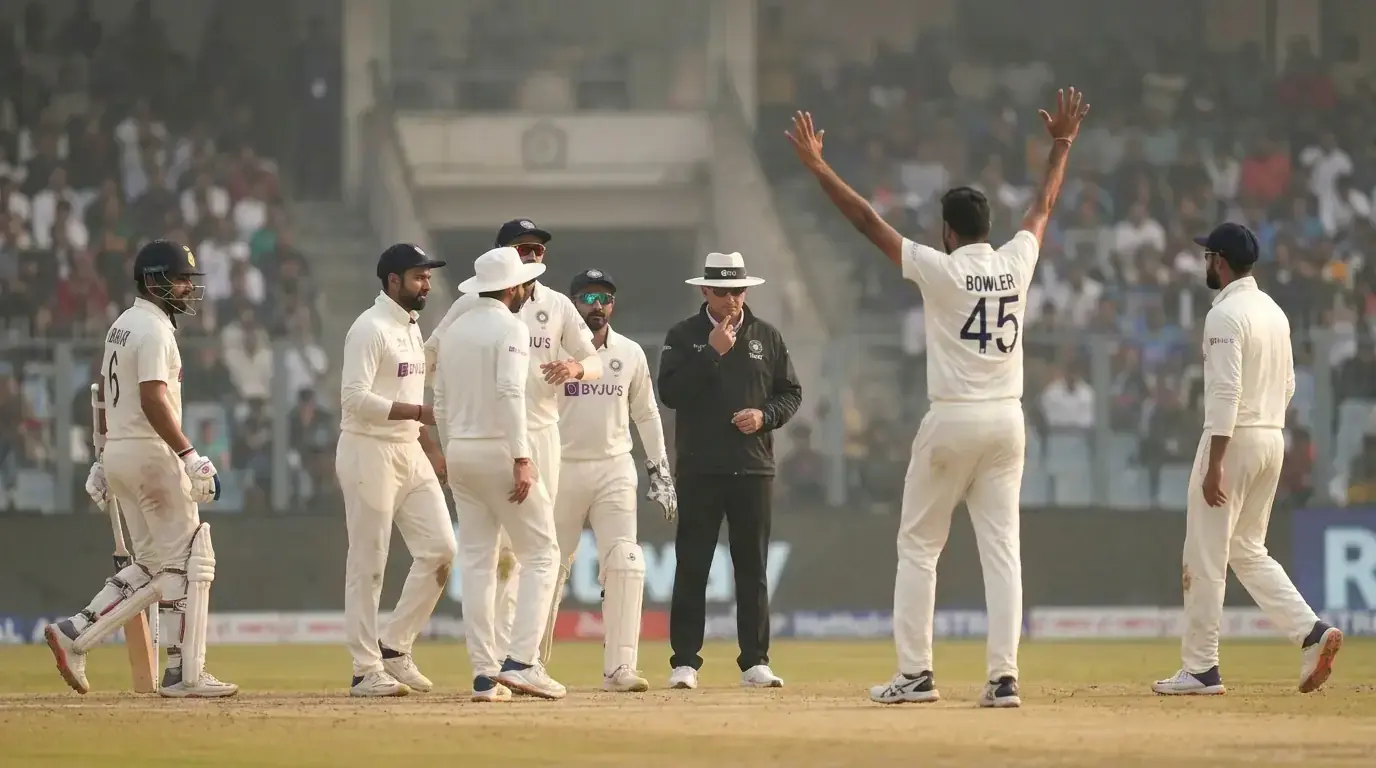
Spin-friendly pitches shift the dismissal profile. LBW becomes more likely when the ball turns sharply into the batsman’s pads. Stumped becomes viable when batsmen advance down the pitch to counter the spin and miss. Bowled rates also increase because spin that turns past the bat can hit the stumps. I look at the pitch report, the forecast, and the bowling lineups together — if a team fields two specialist spinners on a day-three pitch with visible cracks, the dismissal probabilities look fundamentally different from a day-one seamer-friendly surface.
Bowling matchups provide the final layer of analysis. A pace bowler who consistently bowls full and targets the stumps generates more bowled and LBW dismissals than one who bangs the ball in short. A broader understanding of cricket betting markets helps contextualise where dismissal method fits within your overall approach — it’s a niche market that rewards specificity rather than breadth.
One approach I use is to track specific bowlers’ dismissal profiles across their careers. Some fast bowlers generate caught-behind dismissals at rates well above the average because they consistently hit a good length outside off stump and get the ball to shape away. Others are “wicket-to-wicket” bowlers who produce more LBW and bowled dismissals. When I know who’s opening the bowling and what their dismissal profile looks like on a specific surface, the method of first dismissal becomes a structured analytical exercise rather than a shot in the dark.

Fielding setup reinforces the analysis. If a captain sets three slips and a gully from ball one, the team expects edges and caught dismissals. If the captain posts a short leg and a leg slip for a spinner, LBW and bat-pad catches are the expected mode. Reading the field before the first ball gives you a free data point that the odds may not have fully priced in.