


The Hundred: How the UK Reinvented Short-Form Cricket Betting
I was sceptical when The Hundred launched. Another format, another gimmick — that was my initial reaction. Then I sat at The Oval for a packed match, watched 25,000 people who’d never been to a cricket ground before lose their minds over a last-ball finish, and I understood. This wasn’t a gimmick. It was a gateway, and the betting markets were about to catch up.
Over 2.5 million fans have attended The Hundred across its first five seasons, with 203,000 of those experiencing live cricket for the first time. In 2025 alone, 580,000 tickets were sold, and the women’s final attracted a record crowd of 22,542. Those attendance figures translate directly into betting interest — bookmakers now treat The Hundred with the same seriousness they give the IPL window.
For UK bettors, The Hundred occupies a unique position. It’s the only major franchise cricket competition played entirely on home soil, with matches scheduled at convenient evening times during the British summer. The short format, the domestic familiarity, and the growing data set make it one of the most accessible cricket betting opportunities available.
Rules That Change How You Bet: 100 Balls, No Overs
Forget everything you know about overs. The Hundred replaces the six-ball over with a continuous sequence of 100 balls per side, bowled in sets of five or ten. A single bowler can deliver a maximum of 20 balls in an innings. This structural change has real implications for betting markets.
The absence of traditional overs means certain familiar markets don’t translate cleanly. “Runs in the first six overs” becomes “runs in the first 25 balls.” Some bookmakers have adapted their market templates, while others still present Hundred markets using T20 terminology — which can create confusion. I always check the specific settlement rules for Hundred matches before placing a bet, because assumptions based on T20 conventions have cost me before.

Bowling changes in The Hundred work differently too. A captain can switch bowlers after any delivery, not just at the end of an over. This tactical flexibility means in-play odds can shift rapidly when a captain introduces a different bowling option mid-set. For bettors watching live, these captaincy decisions are visible signals that the match odds haven’t yet priced in.
Betting Markets Specific to The Hundred
Standard markets — match winner, top batsman, top bowler, total runs — are all available. But The Hundred’s compressed format produces some market-specific dynamics worth understanding. Total match runs tend to cluster in a tighter band than T20 cricket because the innings length is roughly 17% shorter. That compression pushes over/under lines lower and reduces the variance.
Player performance markets are particularly popular for The Hundred because squads are smaller and the same players feature consistently. You can track form across a compact season far more easily than in a sprawling international calendar. A women’s cricket betting market for The Hundred is now standard at most major UK bookmakers, which reflects both the audience growth and the competitive depth of the women’s tournament.
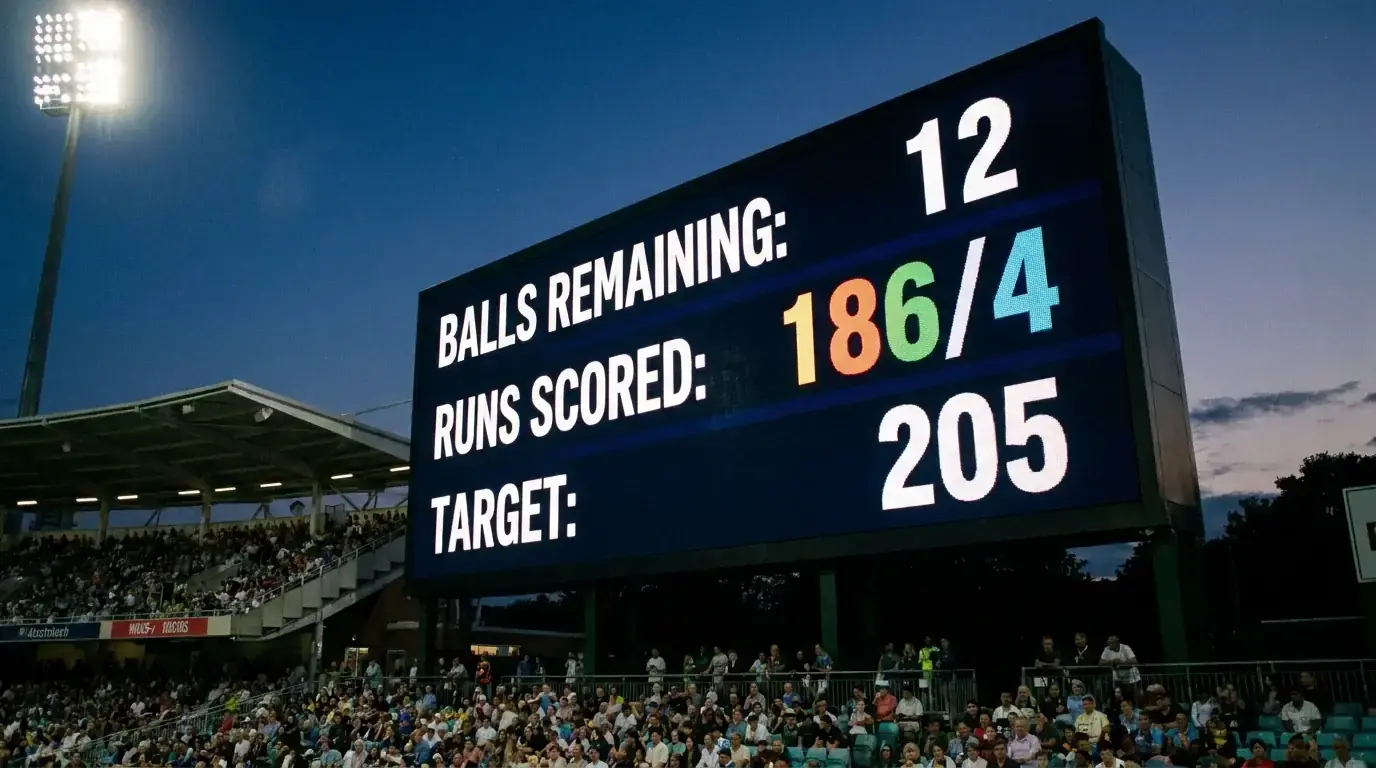
Outright winner markets open early in the summer and attract ante-post interest. With only eight teams per competition, each-way outright bets covering the top two or three finishers become a viable structure. The concentrated nature of the competition — matches played over roughly four weeks — means form streaks have an outsized impact on outright prices.
Audience Growth and Why Bookmakers Are Paying Attention
Sky Sports’ audience for The Hundred grew 38% in 2025 compared with the previous year. BBC Sport recorded 2.2 million online views, up from 1.6 million in 2024. The competition’s fanbase skews younger than traditional cricket — 31% of Hundred fans are aged 18-44, compared with 24% among general cricket supporters. Vikram Banerjee, the ECB’s Managing Director for The Hundred, described it as a hugely exciting period for the competition following another season of strong crowds and viewing figures.
That demographic shift matters for betting operators. The 18-44 age group represents the core online betting demographic. A competition that attracts this audience, plays matches during prime-time evening slots, and generates social media engagement is exactly the product bookmakers want to build market depth around. The result is more markets per Hundred match than we saw even two seasons ago, and the trend is still heading upward.

From a bettor’s perspective, this growth phase creates a temporary advantage. Bookmakers are still calibrating their Hundred pricing models. The competition is young enough that historical data is limited, which means odds compilers lean more heavily on T20 benchmarks that don’t always apply to a 100-ball format. If you’ve watched The Hundred closely and built your own performance database, you’re working with information the market hasn’t fully absorbed yet.
Analytical Angles for The Hundred Bets
I treated The Hundred as my analytical laboratory last season. With matches broadcast free-to-air on the BBC alongside Sky coverage, access to live action is easier than for any other franchise competition. That accessibility changes the betting equation — you can watch every match without a subscription, build notes on player form, and identify patterns that don’t show up in raw statistics.
Venue matters enormously. The eight Hundred venues have distinct characteristics. Lord’s and The Oval tend to produce higher scores. Headingley often assists seam bowlers early in the innings. The Rose Bowl offers swing on cloudy evenings. I keep a running spreadsheet of average first-innings scores by venue and batting position (first or second), and the differences are significant enough to influence over/under positions.

The toss is less decisive in The Hundred than it is in subcontinental T20 leagues, but ground-specific patterns still exist. At certain venues, sides batting second have a measurably better win rate because shorter boundaries and dew combine in the evening. That data isn’t always reflected in the pre-match odds, which tend to weight team quality more heavily than venue conditions.
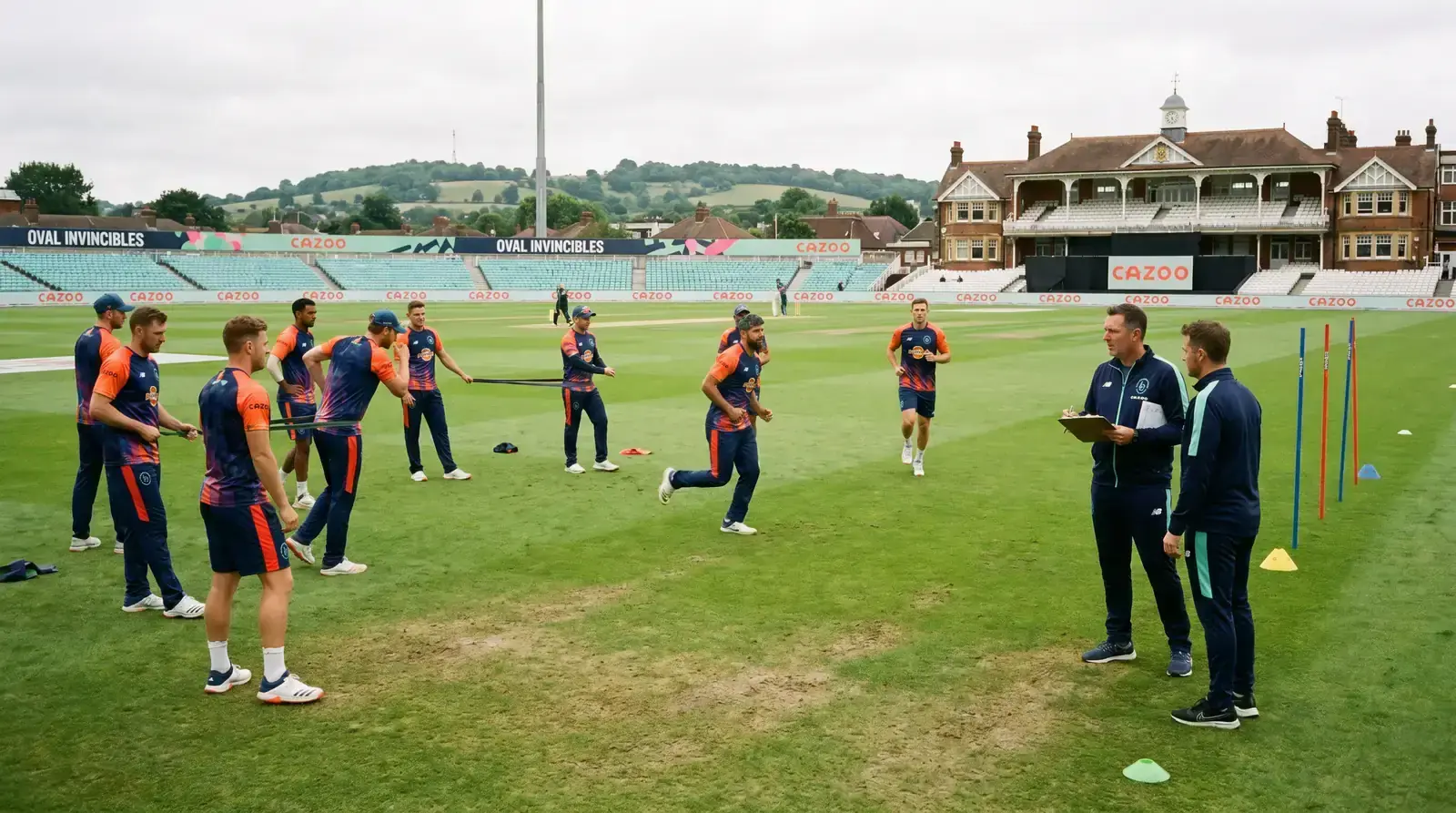
Draft and retention dynamics shape squads in ways that create mismatches. Some franchises carry one world-class overseas batter and limited depth beyond them. Others prioritise bowling variety. Understanding the structure of each squad — not just the headline names — gives you a framework for player performance bets. The player who bats at number four for a franchise with a fragile middle order will face different situations than the same player batting four for a side with a stable top three.
